
High Energy Toddler Activities to Try at Home Today
Updated 3 November 2026 · 10 min read
The fastest way to help a high energy toddler burn off steam is big, short bursts of movement using things you already own: cushions to jump over, a laundry basket to throw into, a blanket to crawl under, and music to freeze and dance to. You don’t need a garden, a soft play membership or a shopping trip. You need about five minutes, a clear patch of floor and a few safe household items. Below you’ll find activities sorted by the kind of energy you’re dealing with, how to fit them into a busy day, and the safety checks worth making before you start.
TL;DR
- Short, repeated bursts work best: a toddler’s attention can be very brief, so plan activities in minutes, not hours.
- Cushions, blankets, balloons, laundry baskets and a bit of music cover most high energy games, with nothing to buy.
- The NHS says toddlers who are walking should be active for at least 180 minutes a day, spread through the day, and that includes everyday movement.
- Check for small parts, button batteries and uncovered water before you start, then let your toddler enjoy the challenge.
- Finish with a calming game so the energy has somewhere to land before nap or bedtime.
Table of Contents
- How much movement does a toddler need?
- Think in minutes, not hours
- Indoor high energy toddler activities with no toys
- A 10-minute starter circuit
- Quick matches: which activity for which kind of energy?
- Outdoor energy burners, even in a British autumn
- Fitting active play into a busy day
- Keeping it screen-free
- Safety checks before the fun starts
- Adapting for babies, mixed ages and different needs
- Our perspective on high energy toddlers
- Get ideas matched to your toddler with Mooshie
- FAQ
- Sources
How much movement does a toddler need?
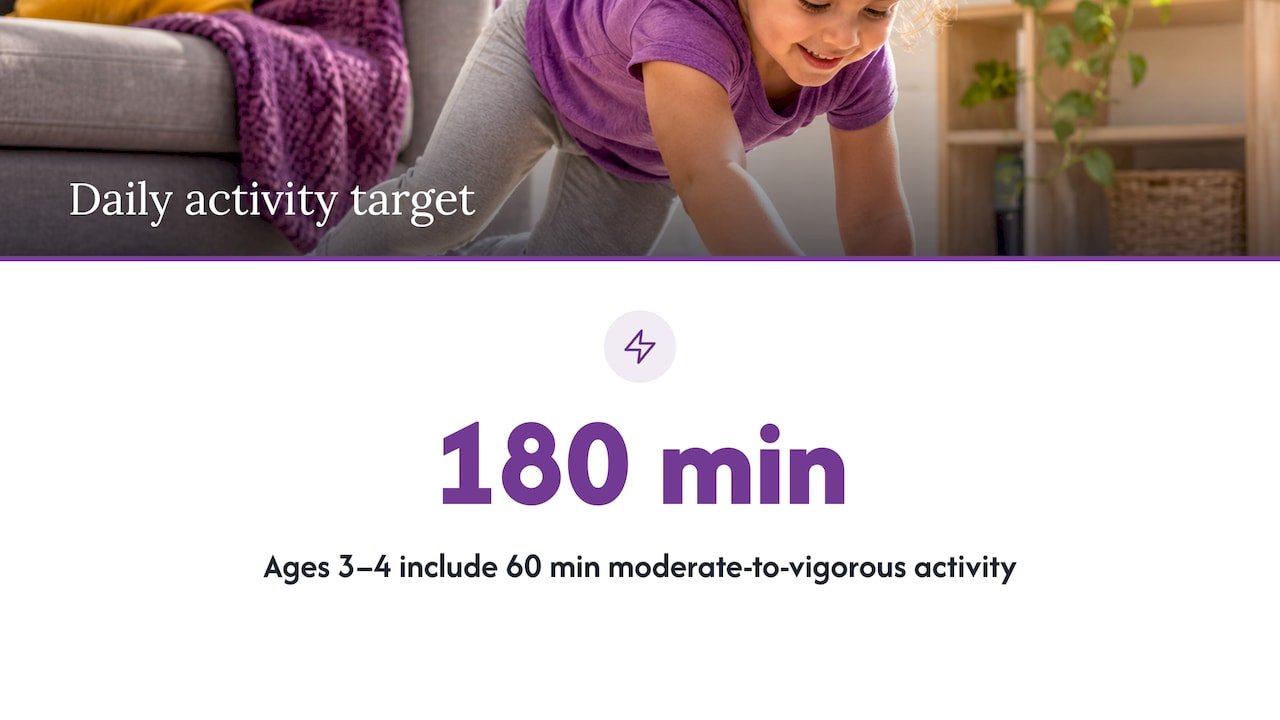
More than most of us expect, which is partly why your little one seems to have an engine that never switches off. The NHS says that once a child is walking, they should be physically active for at least 180 minutes (3 hours) a day, spread throughout the day. For pre-schoolers aged 3 to 4, that 180 minutes should include at least 60 minutes of moderate-to-vigorous activity, the kind that gets them breathing harder.
That three hours isn’t one long session. It is walking to the shop, climbing the stairs with you beside them, chasing a balloon, stomping in puddles and dancing in the kitchen. The NHS suggests involving your toddler in household tasks like unpacking shopping, tidying or sorting washing, and teaching songs with actions and encouraging dancing. So if your day feels like one long chase, you may already be closer to the target than you think.
It also helps to remember that active play does more than tire a child out. NHS guidance says playtime activities support language development, thinking and problem-solving, big and small physical movements, and social interaction. Every jump and crawl is doing a job.
Think in minutes, not hours
If you have ever set up an elaborate game and watched your toddler walk away after 90 seconds, that is normal. Active For Life notes that the average attention span of a 2 year old is about two minutes. That is why the best high energy ideas are quick to set up and easy to restart.
A few habits make this much easier:
- Pick one item, not a whole setup. A single cushion is a game. So is a single balloon.
- Let them repeat. Children usually enjoy repeating the same types of play, which is important for their development. You don’t need a new idea every day.
- Join in when you can. The NHS says being active together shows your child that activity is enjoyable, and that you’re their role model.
- Keep the rules to one sentence. “Jump to the blanket” beats a five-step game.
Indoor high energy toddler activities with no toys
These all work in a living room or hallway. Move the coffee table, clear the floor, and you’re ready.
Cushion stepping stones
Lay cushions across the floor and tell your toddler the carpet is a river. Cushions become stepping stones, and your toddler hops, stomps or tiptoes from one to the next. Space them close for younger toddlers and wider apart for confident jumpers. Add a rule such as “jump like a frog” for a new twist.
Blanket den and tunnel crawl
A blanket over a table is an instant den. Drape it over two chairs and you have a tunnel to crawl through. Active For Life lists tunnel crawl among its energy-busting ideas for 2 year olds. Crawling uses the whole body, so it is a surprisingly good workout. Make sure the chairs are stable and the route is clear before you start.
Pillow jump and mattress slide
Active For Life also suggests pillow jump and a mattress slide. Pile a few pillows for landing, or prop a mattress against the sofa so your toddler can slide down it. Stay close, keep it low, and take the pile away when the game ends.
Bottle bowling and basket-ball
Stand some empty plastic bottles on the floor and let your toddler knock them down with a ball. That is bottle bowling. For basket-ball, set up a box, laundry basket or bin and toss in bean bags or balls. Rolled-up socks work well. Move the basket further away as they improve, or let them carry the basket to you for a bonus run.
Balloon keepy-up
Balloons are slow, light and forgiving. They drift slowly enough for little ones to track, and they won’t break a lamp. Blow one up, tap it into the air, and see how long you can keep it up together. Always supervise balloons and pick up any popped pieces straight away, because burst latex is a choking risk for young children.
Freeze dance
Play music, let your toddler dance wildly, then pause the music and freeze. It looks like silliness, but the swing between big movement and stillness gives practice in listening and waiting. The NHS also encourages dancing to music and learning action songs as a way to keep toddlers active.
Animal moves
Nothing needed. Waddle like a penguin, hop like a bunny, stomp like an elephant, slither like a snake. Call out an animal, then let your toddler pick the next one. It is a good game for the corridor, the garden path or the queue at the post office.
Laundry and tidy-up races
This one turns chores into movement. By 2 years old, toddlers can help sort dirty laundry and put it in the washing machine, which builds practical skills while keeping them moving. Try “how many toys can you put in the basket before the song ends?” It is a cheerful way to get both a tidy room and a tired toddler.
A 10-minute starter circuit
When you want several of these in one go, string them together into a mini obstacle course. A simple version looks like this:
- Crawl through a blanket tunnel.
- Hop across three cushion stepping stones.
- Pick up a sock and throw it into a laundry basket.
- Run to you for a high five.
- Repeat, a little faster.
The whole setup takes a couple of minutes and uses nothing you need to buy. If you’d like more station ideas, we’ve written a 10 minute indoor obstacle course for toddlers you can build today, plus a bank of station ideas sorted by the skill they build. And if you want a wider range of movement games, our guide to gross motor activities for toddlers covers indoors and out.
Quick matches: which activity for which kind of energy?
| What your toddler is like right now | Try this | What you need |
|---|---|---|
| Bouncing off the walls | Freeze dance, animal moves, tidy-up race | Music, floor space |
| Needs to climb and jump | Cushion stepping stones, pillow jump | Cushions, pillows |
| Wants to throw | Basket-ball, bottle bowling | Basket, socks or balls, bottles |
| Wants to hide and explore | Blanket den, tunnel crawl | Blanket, chairs or table |
| Wound up before nap | Slow balloon tap, stretch and breathe | A balloon, a calm voice |
Outdoor energy burners, even in a British autumn
It is November, and the weather may not cooperate, but a short outing is still one of the best ways to use up energy. Puddle stomping, leaf crunching, kicking a ball along the pavement or collecting sticks and conkers all count as active play. Wrap up, put on wellies and keep it short. Ten minutes outside can do more than an hour of indoor wriggling.

We have more ideas in screen-free outdoor activities for UK toddlers, nature play ideas for toddlers and our autumn activities for toddlers. If you’re heading to the shops anyway, try our no prep shopping activities for toddlers to keep little legs and minds busy in the trolley queue.
On bigger challenges like climbing or balancing on a low wall, the Playful Childhoods Wales guide advises not being overprotective, since the worst that usually happens is a bump, bruise or scrape. Stay close, keep it age-appropriate, and let them try.
Fitting active play into a busy day
Nobody has three free hours. The trick is to hang movement on moments that already exist.
- Morning: Put on a song while you make breakfast and dance. Our morning activities for toddlers page has quick ideas for the start of the day.
- Midday: Play animal moves on the way to the park or the car.
- Late afternoon: This is the classic wobbly hour. A ten-minute circuit before dinner can help. Keep it fun, not a test.
- Before bed: Switch to quieter movement, such as slow stretches, bubble blowing or a balloon drifting down.
When you’re really tired yourself, choose the activity that asks the least from you. Lying on the sofa while your toddler jumps off the cushions into a pile is still play. Our bonding activities for toddlers page has more low-effort ways to connect in 2 to 15 minutes.
It can also help to see how others join in. Ideas on sensory play and development show how caregivers can take part and model active habits alongside a toddler, which fits neatly with the NHS point that you are your child’s role model.
Keeping it screen-free
The NHS says it’s best to limit your child’s daily screen time and to watch with your child so you can talk about what you’re seeing. The UK Chief Medical Officers’ 2019 guidelines focused on physical activity and did not include screen time recommendations, so the NHS advice above is the place to start.
In practice, a screen-free plan doesn’t mean a perfect plan. It means having two or three go-to games in your head so that when the tablet looks tempting, you have something just as quick. Pick your top three from the lists above and stick them on the fridge.
Safety checks before the fun starts
High energy play means fast movement, so a thirty-second scan of the room is worth it.
- Small parts. Anything smaller than a 2p coin can choke a baby or young child. Check toys regularly for cracks, breaks, sharp edges and loose small parts. ROSPA also advises keeping small objects out of reach of children under three.
- Button batteries. Keep them well away from children and secure toy battery compartments with a screw. If a child may have swallowed one, the NHS says to go to A&E straight away or call 999.
- Water play. A baby or young child can drown in less than 5 centimetres (2 inches) of water. Never leave a young child alone in the bath or playing with water, and don’t leave uncovered bowls or buckets of water around the home.
- Buying toys. The NHS advises looking for the British Standard kitemark, lion mark or CE mark, and not giving a child under 3 a toy marked “Not suitable for children under 36 months”.
- Snacks near play. ROSPA advises cutting small foods such as grapes, cherry tomatoes and blackberries into quarters to prevent choking.
- Craft add-ons. If you add drawing or sticking to a game, Action for Children advises always supervising and watching for small parts, sharp items and anything they shouldn’t put in their mouths.
For any game, clear the floor of sharp furniture corners, keep stairs gated, put wobbly objects out of reach and stay within arm’s reach for jumping and climbing games.
Adapting for babies, mixed ages and different needs
For a baby who isn’t walking yet, scale it down. Lay them on a blanket, let them roll toward a toy, or sit them near a cushion to push against. A baby can watch a big sibling stomp across cushion stepping stones and clap along. Keep the games low and slow, and always stay with them.
For a toddler and a baby together, give each a role. The toddler hops across the stepping stones while the baby tracks a balloon from a play mat. Song-and-action games like freeze dance work for both.
If your child has a long-term condition or disability, the NHS says they still need to be active and will enjoy being active, but you may need to adapt some activities. It advises contacting relevant services for support, so your health visitor or GP is a good first call.
Our perspective on high energy toddlers
We hear it from parents all the time: “I’m out of ideas, and I’m out of energy.” A high energy toddler can leave even the most patient grown-up flat by 4pm, and the pressure to come up with something new every day makes it worse.
That is why we built Mooshie Moments around quick, screen-free ideas that use everyday household items. We think the best play for an energetic toddler is short, simple and repeatable, and it works best when you can pick an activity that matches your child’s age, the time you have and the energy you have left.
We also believe the “why” matters. When you know that a cushion jump is building balance and coordination, or that freeze dance is practicing listening and self-control, a messy living room feels a lot more like a win. Every activity in our app explains the developmental reason in plain language, so you can feel good about those ten minutes.
Most of all, we want you off your phone and down on the floor with your child. Those moments are what your toddler remembers.
samit
Get ideas matched to your toddler with Mooshie
If you’re tired of searching for something new every time the energy peaks, Mooshie is a free-to-download app for parents and caregivers of children aged 6 months to 4 years. It gives you quick, screen-free activity ideas that use items you already have at home, tailored to your child’s age and the time you have. Each one comes with a plain-language explanation of what it supports, plus coaching tips.
You can explore Mooshie here. If you run a nursery, childminding setting or early years group, we also offer a Partnership Pack with a home-learning resource for your families.
FAQ
What are the best high energy activities for a toddler at home?
Games that mix big movement with simple rules work best: cushion stepping stones, tunnel crawling, freeze dance, animal moves, balloon keepy-up and basket-ball with rolled socks. They need no purchases and take under five minutes to set up. Rotate two or three favorites rather than inventing something new each day.
How long should a toddler be active each day?
The NHS says that once a child is walking, they should be active for at least 180 minutes (3 hours) a day, spread throughout the day. This includes everyday movement such as walking, dancing, climbing stairs and helping with chores. For ages 3 to 4, at least 60 of those minutes should be moderate-to-vigorous activity.
How do I calm my toddler down after high energy play?
Taper the activity rather than stopping it abruptly. Move to slower games such as a drifting balloon, bubble chasing, gentle stretches or animal moves in slow motion. Dim the lights, lower your voice and finish with a book or a snuggle on the sofa.
Can I do these activities with a baby and a toddler together?
Yes. Give the toddler the active part, such as hopping or throwing, and let the baby watch, roll or reach on a blanket nearby. Keep the baby’s space clear of small objects and stay within arm’s reach of both children. Songs with actions suit mixed ages well.
Sources
- How to keep your baby or toddler active, NHS
- Physical activity guidelines for children under five years, NHS
- Baby and toddler play ideas, NHS
- Playtime and bonding with your toddler, NHS Best Start in Life
- Energy-busting indoor activities for 2 year olds, Active For Life
- Playing at home guide 2024, Playful Childhoods Wales
- UK Physical Activity Guidelines for the Under 5s, UCL Discovery
- Toy safety, Cambs, Peterborough and Northamptonshire Children’s Health
- Home safety height chart, ROSPA
- Activity ideas for toddlers, Action for Children
Recommended
- Morning Activities for Toddlers: Quick, Screen-Free Ideas
- Buy 5 to 30 Minutes Now: Quick Toddler Activities for UK Parents
- Toddler Bonding Activities Busy Parents Can Do in 2–15 Minutes
- UK Parents: Low Prep Toddler Activities by Skill Area in 2–15 Minutes
Want play ideas matched to your child's age?
Mooshie Moments gives you simple, guided play ideas for ages 6 months to 4 years. Try 3 free activities a week.
Download free on the App StorePart of our guide: Toddler activities by age · Compare toddler activity apps
More like this
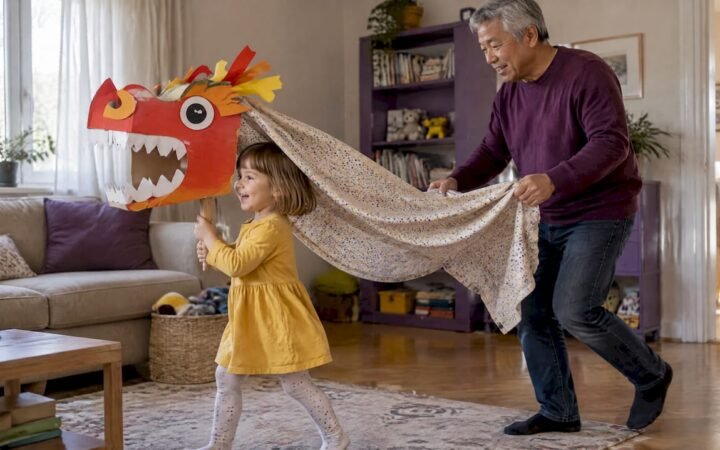
Best Chinese New Year Activities for Toddlers at Home
Simple, screen-free Chinese New Year activities for babies and toddlers, using things you already have at home, with safety tips and ideas…

Sticker Activities for Toddlers: 9 Easy Ideas for Home
Nine quick sticker activities for toddlers using paper, a pen and a sheet of stickers, with ideas by age, safety tips and…
Toddler Activity Schedule: A Realistic Day That Works
A simple toddler activity schedule for ages 1 to 4: sample days, short play blocks, nap timing, winter tweaks and screen-free ideas…