
Ten Minutes: Screen Free Outdoor Activities for UK Toddlers
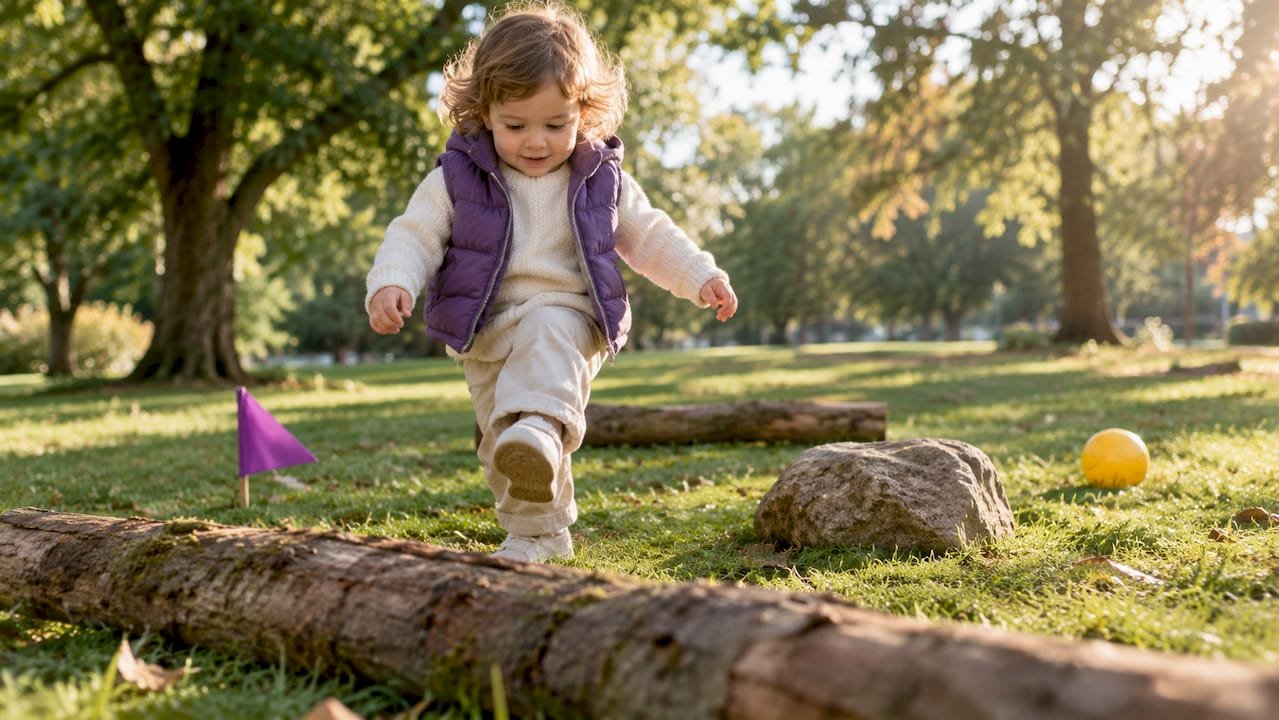
The best outdoor activities for toddlers are simple, sensory-rich, and low-prep: puddle play, nature scavenger hunts, movement games, messy art, and bubbles. Each one supports motor, sensory, and language development while needing almost no setup or gear. We built this list with that in mind, and if you want ideas already sorted by age and time, an app can do that sorting for you.
TL;DR:
- Most outdoor activities for toddlers require minimal setup, focusing on sensory, movement, and creative play that supports development.
- Activities like puddle stomping, water tables, and bubble chasing are inexpensive, easy to prepare, and help improve motor and visual tracking skills.
- Short, frequent outdoor sessions of about ten minutes each are more beneficial than a single long outing, with flexibility based on weather and mood.
- Safety precautions include constant supervision during water play, avoiding small parts for mouthing toddlers, and adjusting for seasonal weather conditions.
- Repetition and allowing toddlers to choose activities help sustain engagement and accommodate different moods, with structured group activities being short and managed.
Table of Contents
- Best Outdoor Activities for Toddlers by Type
- Six Setups You Can Start in Under Ten Minutes
- Weather-Ready Play: Seasonal Safety Basics
- Why Outdoor Play Actually Builds Your Toddler’s Brain
- Matching Activities to Your Toddler’s Mood
- How Long and How Often Toddlers Should Play Outside
- Outdoor Playdates and Group Activities for Toddlers
- Adjusting Activities for Different Abilities and Sensitivities
- A Realistic Outdoor Habit Worth Keeping
- Quick Outdoor Ideas When You’re Out of Ideas
- Where to Read More
- Sources
- FAQ
Best Outdoor Activities for Toddlers by Type
Toddlers don’t need Pinterest-perfect setups. They need texture, movement, and a grown-up who’s paying attention. Simple, open-ended outdoor play like puddle jumping and water play does more for sensory and motor development than anything you’d have to plan for a week. Here’s the full lineup, grouped so you can grab whatever fits your morning.
Sensory and water play
- Puddle stomping. Why it works: builds balance and gives instant cause-and-effect feedback. Setup: rain boots, any puddle, zero prep.
- Water table with kitchen tools. Why it works: pouring and scooping strengthen hand control. Setup: a tub, a few measuring cups, and a towel.
- Sponge squeeze race. Why it works: builds grip strength toddlers need for holding crayons later. Setup: two sponges, a bucket of water, a dry bowl to fill.
- Ice excavation. Why it works: introduces temperature and melting as a real-time science lesson. Setup: freeze small toys in a bowl of water overnight, hand over a warm cup of water to melt it.
- Bubble chasing. Why it works: tracking and popping bubbles trains eye tracking and gross motor timing. Setup: a bottle of bubble solution, nothing else.
- Toy wash station. Why it works: repetitive scrubbing calms high-energy toddlers. Setup: soapy water, a scrub brush, a pile of plastic toys that needed a clean anyway.
Nature exploration
- Color scavenger hunt. Why it works: sorting by color builds early categorization skills. Setup: a muffin tin, walk the yard or park, fill each cup with a matching-colored find.
- Leaf rubbings. Why it works: fine motor practice disguised as art. Setup: a leaf, paper on top, crayon rubbed sideways.
- Bug watching. Why it works: sustained attention on something moving is genuine focus training. Setup: nothing but patience and maybe a magnifying glass.
- Stick and stone sorting. Why it works: builds classification and counting language. Setup: a bucket, a patch of dirt, a few minutes.
- Nature collage. Why it works: combines a scavenger hunt with creative sequencing. Setup: cardboard, tape, whatever got collected on the walk.
Movement and gross motor
- Backyard obstacle course. Why it works: sequencing steps (crawl, jump, walk) builds planning skills. Setup: a pillow, a hula hoop, a line of chalk to hop along.
- Balance beam. Why it works: core strength and concentration in one activity. Setup: a low curb, a plank of wood, or a chalk line on the pavement.
- Follow the leader. Why it works: mimicking movement builds body awareness. Setup: none, just take turns leading silly walks.
- Ball rolling and kicking. Why it works: hand eye and foot eye coordination, plus turn taking if a sibling joins in.
Creative and messy art
- Sidewalk chalk. Why it works: large-scale drawing strengthens shoulder and arm muscles before fine motor skills catch up. Setup: chalk, pavement, done.
- Rock painting. Why it works: small brush strokes on a small surface build precision. Setup: a few smooth stones, washable paint, an old brush.
- Mud painting. Why it works: fully sanctioned mess lowers anxiety around getting dirty. Setup: mud, a stick or brush, an old fence or paper.
- Water painting on pavement. Why it works: same creative satisfaction, zero cleanup. Setup: a cup of water, a paintbrush, sunny pavement that dries fast.
Games and music
- Freeze dance outside. Why it works: impulse control practice with a fun payoff. Setup: your phone playing music, nothing else.
- Simon Says with big movements. Why it works: listening and following instructions, wrapped in play. Setup: nothing at all.
- Pots and pans drum circle. Why it works: rhythm and cause-and-effect sound making. Setup: kitchen pots, a wooden spoon.
Keep small parts (rocks, sticks, bottle caps) monitored closely for toddlers who still mouth objects, and never leave a filled water container unattended even for a moment.
Six Setups You Can Start in Under Ten Minutes
None of these need a supply run. Here’s how fast each one comes together:
- Pouring station. Fill two containers with water, hand over a cup. Done in one minute.
- Bubble station. Pour dish soap and water into a shallow dish, dip a pipe cleaner bent into a loop. Two minutes.
- DIY splash pad. Lay a trash bag flat, hose it down, weigh the corners with rocks. Five minutes.
- Toy wash. Soapy water in a tub, a handful of toys that needed cleaning anyway. Two minutes.
- Cardboard box play. Any delivery box, no modifications needed. Zero minutes.
- Texture walk. Walk barefoot or in socks across grass, gravel, and pavement, narrating each surface. Zero prep, just shoes off.
No measuring cups? A yogurt container works. No bubble wand? A slotted spoon or a bent pipe cleaner does the job. No paintbrush? Fingers are the original art tool.
Pro Tip: Let your toddler decide the order and pace, even if it means the “wrong” activity comes first. Kids who direct their own play tend to stay engaged twice as long as kids following a strict script.
Weather-Ready Play: Seasonal Safety Basics
The best outdoor activities for toddlers barely change across the year. What changes is how you protect them while doing it.
- Summer heat: stick to shade during peak sun, dress in a wide-brim hat, apply sunscreen, and time outdoor play for morning or early evening.
- Cold and rain: layer up, keep sessions short, and watch for numb fingers as your cue to head in.
- Water play: use shallow containers only, stay within arm’s reach the entire time, and empty every container the second play ends.
- Mouthing-age toddlers: skip small loose parts and reach for taste-safe sensory options instead of anything that could be swallowed.
Recurring safety guidance across parenting resources points to the same rule again and again: constant supervision around water and choking hazards matters more than any specific activity choice.
Why Outdoor Play Actually Builds Your Toddler’s Brain
Puddle jumping isn’t just fun. Sensory-rich outdoor play supports both motor and sensory development, and it does it without flashcards or screens. The language piece is easy to miss but just as powerful.
Narrating what your toddler experiences (the crunch of gravel, the splash of a puddle) is one of the simplest ways to build vocabulary during outside time. Three small habits make the biggest difference:
- Narrate the play. Say what’s happening out loud, even if it feels obvious.
- Label sounds and textures. “That’s squishy mud” teaches more than a silent stare.
- Add one open question. “What do you think is under that leaf?” turns a walk into a conversation.
Try it during the puddle stomping from earlier: narrate the splash, label the wet sound, then ask what else might make that noise.
Matching Activities to Your Toddler’s Mood
Not every toddler wants the same thing on the same day, and that’s fine. Grouping activities by energy level helps you pick something that actually fits the moment instead of fighting your toddler’s mood.
If your toddler wakes up wired, skip the quiet sensory bin and go straight for the obstacle course or a round of freeze dance. High-energy toddlers need to move before they can focus on anything smaller, like sorting leaves or painting rocks. Trying to slow them down first usually backfires into a meltdown.
If your toddler is having a calm, curious day, that’s your window for bug watching, texture walks, or a slow scavenger hunt. These activities reward sustained attention, which a wound-up toddler simply doesn’t have to give yet.
Some toddlers gravitate toward the same three activities every single day. That’s not boredom on your part failing to entertain them. Repetition is how toddlers master a skill before moving to the next one. Let the puddle stomping happen for the tenth day in a row if that’s what they’re asking for.
For toddlers who bounce between moods within the same ten minutes, keep two options ready: one calm, one active. Offer a choice (“puddle jumping or the balance beam?”) rather than picking for them. Toddlers who choose their own activity tend to stick with it longer than toddlers handed a plan.
How Long and How Often Toddlers Should Play Outside
Short and frequent beats long and occasional. A toddler gets real developmental value from as little as ten minutes of focused outdoor play, and stacking two or three of those sessions across a day works better than one marathon outing that ends in a meltdown.
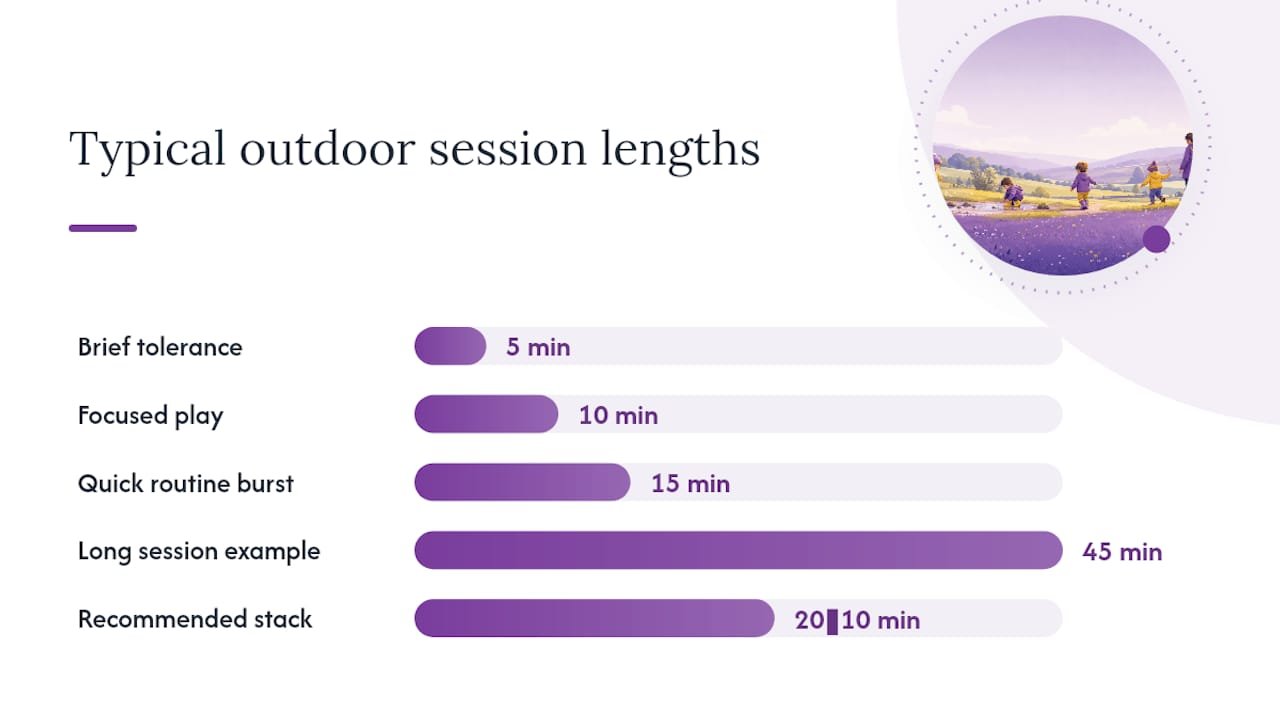
Aim for outdoor time daily if you can manage it, even in small doses. A quick fifteen minutes after breakfast, another burst after lunch, and a final wind-down walk before dinner adds up to a solid outdoor routine without demanding a single hour-long block from your schedule.
Weather and mood will always shift the numbers. A toddler fighting a cold or dealing with a rough nap might only tolerate five minutes outside, and that’s still worth doing. On the other end, a toddler deep into an obstacle course might happily stay out for forty-five minutes if you let them.
Don’t chase a specific number. The goal is consistency, not duration. Short, repeated outdoor moments are more sustainable for busy caregivers than elaborate sessions, and they add up to more total outdoor time over a week than one ambitious Saturday outing you talk yourself out of when it’s raining.
Outdoor Playdates and Group Activities for Toddlers
Toddlers under three don’t play together the way older kids do. Parallel play, where two toddlers do similar things side by side without much direct interaction, is developmentally normal and still valuable. A backyard playdate with two toddlers each stomping their own puddle counts as social time, even if they never actually engage each other.
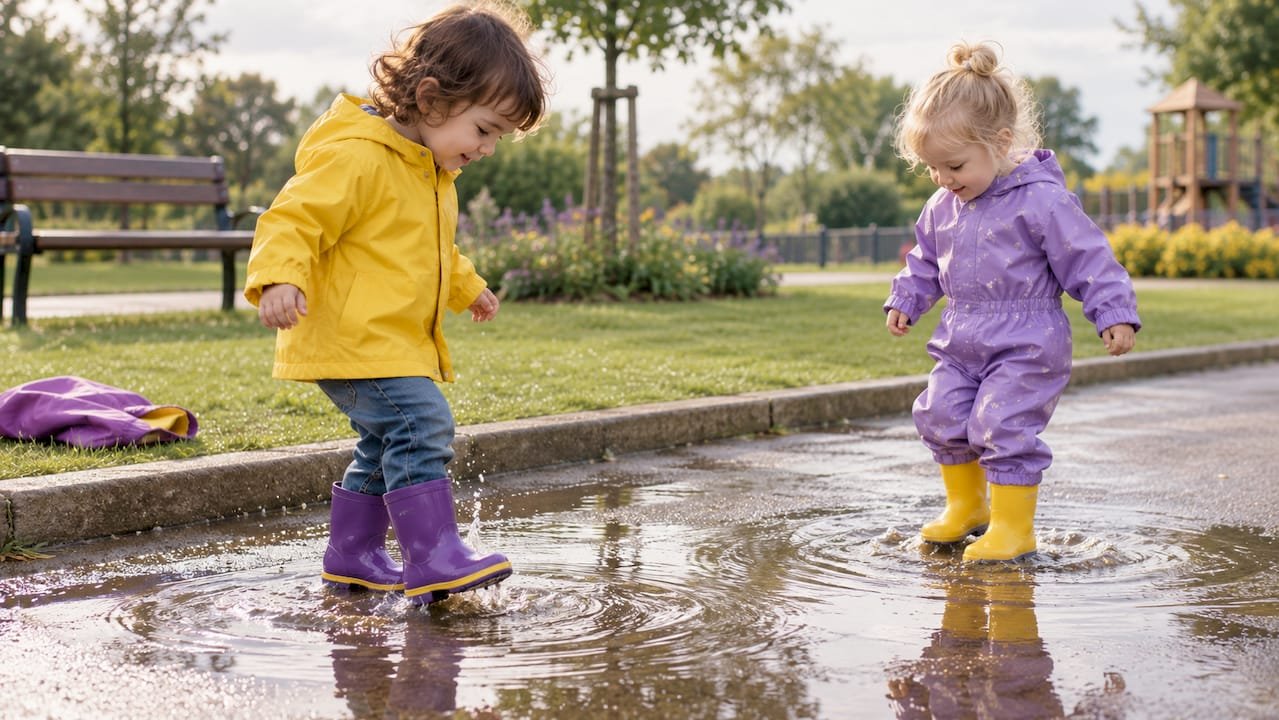
Simple group setups work best outdoors. A shared water table, a chalk drawing session where each toddler gets their own patch of pavement, or a joint scavenger hunt with two small buckets all give toddlers a taste of shared space without forcing interaction they’re not ready for.
Local playgroups, library story times held outdoors, and toddler sessions at community parks are worth checking for structured social exposure. These settings introduce turn-taking and basic sharing in short bursts, guided by an adult, which suits a toddler’s attention span far better than an unsupervised free-for-all.
Keep group sessions short. Fifteen to twenty minutes of shared outdoor play is usually the sweet spot before tiredness or overstimulation turns cooperative play into tears. Bring a backup solo activity (a favorite toy, a small snack) in case one toddler needs an exit before the group is ready to wrap up.
Adjusting Activities for Different Abilities and Sensitivities
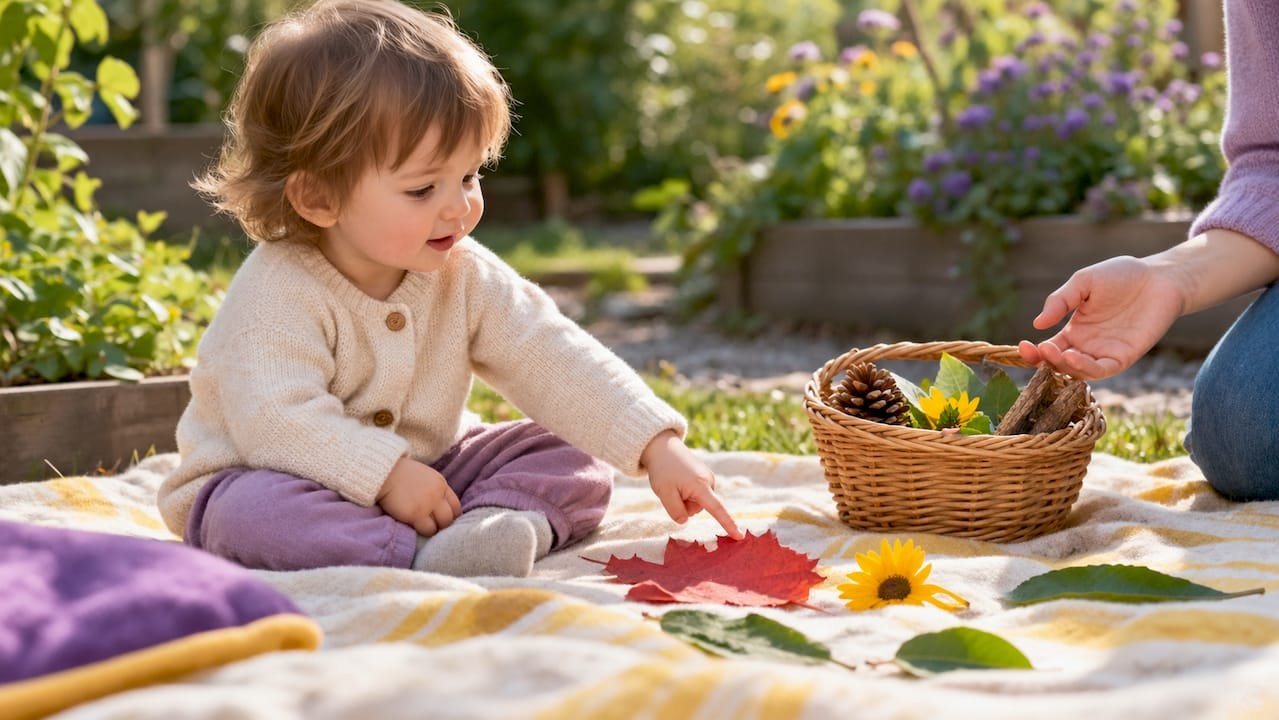
Every activity on this list can flex. A toddler with limited mobility can still do a color scavenger hunt from a stroller or blanket, pointing instead of walking to each find. Bug watching and texture walks translate easily to a seated position with items brought to the child rather than the child moving to them.
Sensory sensitivities need a different kind of adjustment. A toddler who startles at loud noises might struggle with a pots-and-pans drum circle but thrive with quiet mud painting or a slow nature walk. A toddler who avoids messy textures can start with dry sensory play, like sorting smooth stones, before working up to something like finger painting.
For toddlers who mouth objects regardless of age, swap anything with small parts for taste-safe alternatives, and keep every water activity within arm’s reach rather than just visual range. Visual supports, like showing a picture of “next we go outside,” can help toddlers who need extra predictability before a transition.
The core list doesn’t need reinventing for these situations. It needs a grown-up willing to swap the setup, not the goal.
A Realistic Outdoor Habit Worth Keeping
Ten minutes after lunch, most days, beats an elaborate Saturday plan that never happens. A puddle stomp followed by five minutes of a book on the porch counts. Skip the guilt over short sessions or imperfect setups. Some apps exist precisely because most days call for something quick, not something Pinterest-worthy.
— samit
Quick Outdoor Ideas When You’re Out of Ideas
Some days the hardest part isn’t the activity, it’s deciding what to do at all. An app can solve that problem: open it, tell it how much time you have and how old your toddler is, and get a screen-free activity using things already in your kitchen or yard.

No supply runs, no browsing forty tabs of ideas that need craft-store trips. Every suggestion comes with a plain-language explanation of what it’s actually building in your toddler, whether that’s grip strength or vocabulary, so you’re not just filling time. If you’ve got a two-year-old specifically, the 40 fun 2-year-old activities collection is a good place to start browsing right now. Otherwise, head to Mooshiemoments and let it pick something for the next ten minutes.
Where to Read More
ZERO TO THREE covers outdoor sensory play; BBC Tiny Happy People covers seasonal ideas; Baby Bare Essentials explains sensory play and development.
Sources
- Outdoor sensory play for toddlers: simple ideas using nature | ZERO TO THREE
- Friendly autumn activities for younger kids to keep them entertained – BBC Tiny Happy People
FAQ
What should I do with a 2-year-old outside?
Stick to simple, sensory activities like puddle stomping, bubble chasing, or a color scavenger hunt. These need almost no setup and match a 2-year-old’s attention span better than anything with multiple steps.
What are some of the best outdoor activities for toddlers overall?
Water play, nature exploration, movement games, and messy art top the list because they’re low-prep and developmentally rich. Some apps organize activities like these by age and available time if you want ideas sorted for you.
What can I do with a 2-year-old in the backyard specifically?
Sidewalk chalk, a water table, and a homemade obstacle course all work well in a small backyard space. None require more than items already in the house, like cups, chalk, or a pillow for jumping over.
What activities suit 2 to 3 year olds best?
At this age, toddlers can follow slightly more structured play, like a leaf rubbing craft or a short obstacle course with two or three steps. Keep sessions to ten or fifteen minutes and let the toddler lead the pace.
How much outdoor time does a toddler actually need each day?
There’s no strict number to hit, but stacking two or three short sessions across the day works better than one long outing. Ten minutes of focused play, repeated, adds up to more real benefit than an occasional hour-long trip.
Recommended
- 12 Low Prep Toddler Activities for Grandparents With Seated Options
- 40 Fun 2 Year Old Activities to Start Right Now
- Fun 9-Month-Old Activities for Busy Parents
- Taste Safe Sensory Play: Top 10 Ideas for Mouthing Toddlers
Want a new idea every day, matched to your child's age?
Mooshie Moments gives you simple, guided play ideas for ages 6 months to 4 years.
Download free on the App StoreMore like this
Babysitting Toddlers: 12 Low Prep Ideas and Why They Help
Explore 12 low prep toddler activities for babysitters, with developmental benefits, age adaptations, UK safety advice, and optional activity coaching.
10 EYFS Backed Sock Games for Toddlers Under Five Minutes
Ten EYFS aligned sock games to start in under five minutes, each with a one line developmental benefit, simple adaptations, and two…
Busy Parents: 12 No Prep Shopping Activities for Toddlers
Busy parents: keep toddlers learning and calm at the store with 12 no prep, screen free activities that take under five minutes…