Toddler Activities With No Supplies: 25 Ideas to Try Now
Updated October 2026 · 11 min read
Your toddler is bored, you are tired, and the craft cupboard is empty. Good news: you don’t need anything. The best no-supplies play uses your voice, your body and whatever is already lying around the house, and the NHS says play does not need to be difficult or expensive. Below are 25 ideas you can start in under a minute, sorted by what your toddler needs right now, plus how to make them work when there’s a baby in the room too.
TL;DR
- Most boredom fixes need nothing: songs, rhymes, a game of hide-and-seek, or a cushion path across the living room.
- Your attention is the main ingredient. Even 2 to 3 minutes of undivided play can be enough to start with.
- Everyday objects (a colander, a cardboard box, a pair of socks) beat a shopping trip. Keep an eye on small parts, cords and water.
- Short, repeated, familiar games are good for toddlers. You don’t need a new idea every day.
- Stuck for ideas on a tired day? Pick one from the lists below by mood: wiggly, grumpy, curious or clingy.
Table of Contents
- Why no-supplies play works so well
- Quick fixes for a wiggly, bored toddler
- Talking, singing and listening games
- Pretend play from things you already own
- Water and kitchen play
- Calm-down and tidy-up ideas
- A quick guide: what to try, by mood
- When you have a baby and a toddler at the same time
- Safety points for no-equipment play
- Putting the phone down: Special Time
- Our perspective: you don’t need more ideas, you need the right one at the right moment
- Get a quick idea when your mind goes blank
- FAQ
- Sources
Why no-supplies play works so well
A toddler’s day is mostly spent learning how bodies, words and people work. None of that needs a kit. The NHS suggests looking at books, singing songs and nursery rhymes, using things you already have around the house and getting involved yourself, because your child will learn more from you than from any toy. That is a relief on a Tuesday afternoon.
The Welsh Playing at Home guide makes a similar point: children can use even a small corner of the home creatively, and they don’t need expensive activities or toys. It also presents repetition and familiar home play as valuable, because a safe, familiar space supports a child’s security and happiness. So if your toddler wants the same blanket-den game for the fourth day running, that is normal and useful, not a sign that you are doing it wrong.
Here is how we sort things when a toddler says, in whatever way they say it, “I’m bored.”
Quick fixes for a wiggly, bored toddler
When the energy is high and the mood is climbing the walls, move first. These need no gear and almost no explanation.
- Statues. Play music or sing, then stop and freeze. Toddlers love the surprise. UNICEF lists statues and dancing among its screen-free movement games.
- Cushion stepping stones. Lay sofa cushions across the floor as stepping stones. The Welsh guide gives cushion stepping stones and blanket dens as examples of inexpensive home play.
- Follow the leader. You stomp, tiptoe, crawl and spin. They copy. Then swap. HealthyChildren.org includes Follow the Leader, Simon Says and Head, Shoulders, Knees and Toes in its no-cost activity list.
- Animal walks. Waddle like a duck, hop like a bunny, stretch tall like a giraffe. Ten seconds each is plenty.
- Hide-and-seek. For under-twos, hide badly on purpose, with your feet sticking out. It counts.
- A home obstacle course. Tunnels, stepping stones and stopping points can all be made from furniture and cushions. We have a full guide with a 10 minute indoor obstacle course and tips on adjusting the course by age and mobility.
- Roll the ball back and forth. A soft ball, or rolled-up socks, works for 1 to 2-year-olds, and UNICEF suggests exactly this for that age.
For more big-movement ideas, see our gross motor activities for toddlers, indoors and out.
Talking, singing and listening games
These are the ones to reach for when you are stuck on the sofa, or when you need your toddler close. Books, songs and rhymes help develop language and communication, according to the NHS.
- Nursery rhymes with actions. Repeat the favorites. Toddlers learn the actions long before the words.
- I-spy. Start with colors for the younger ones: “I spy something red.” UNICEF notes that I-spy practices language and maths skills.
- Storytelling with no book. Make up a story about your toddler and their favorite animal. Stop mid-sentence and let them add the next bit. Our research-based storytelling ideas give you more starting points.
- Sock puppets. The NHS suggests making puppets from socks and using them to talk to each other or to your child. A clean sock on your hand is all it takes.
- Simon Says. It builds listening and focus, according to HealthyChildren.org. Keep the commands simple: “touch your nose,” “clap.”
- Commentary game. Describe what your toddler is doing, like a sports commentator. Our guide to narrating play for language growth shows how.
Pretend play from things you already own
Pretend play needs a place, a role and a bit of imagination. Everything else is in your home.
- Blanket den. One blanket over two chairs. Add a torch if you have one, or just use daylight.
- Cardboard box car or castle. Any box that has arrived this week will do. The Welsh guide lists cardboard-box cars and castles, and we have 12 cardboard box toddler activities by age.
- Dressing up. A scarf becomes a cape and a dad’s old shirt becomes a chef’s coat. The NHS includes dressing up in its list of ideas, and it also says to remove loose cords, strings or ribbons from the clothes first.
- Tea party or teddy hospital. Use real spoons and plastic cups, and bring the teddies.
When your toddler leads the pretend play, you do the following: watch, then join in. The idea of following a toddler’s lead, commenting and copying what they do is explained well in this piece on pretend play development in toddlers.
Water and kitchen play
A kitchen is a toy shop that you already paid for. The NHS suggests water play in a bath, sink or plastic bowl, using unbreakable household items such as bottles, a sponge, a colander, straws, a funnel and spoons.
- Sink pouring station. Stand them on a stable step, put a plastic bowl in the sink and let them pour from cup to cup.
- Sponge squeeze. Great for small hands, and it is a quiet activity once they get going.
- “Washing” the plastic dishes. Toddlers take it very seriously.
- Kitchen drumming. Shatter-proof pots and a wooden spoon. UNICEF suggests kitchen drumming for 1 to 2-year-olds. Tell the neighbors, or save this for a time of day when you can cope with the noise.
There are more ideas in our water play guide for babies and toddlers. If your toddler loves textures, our sensory play ideas need no new toys either.
Safety for water play
Never leave a young child alone in the bath or during water play. The NHS warns that drowning can happen in less than 5 centimeters (2 inches) of water. Stay within arm’s reach and keep your phone out of your hand.
Calm-down and tidy-up ideas
Sometimes the right activity is a slow one, especially before a nap or at the end of a long afternoon.
- Draw with anything. The NHS lists drawing as a creative play idea, and UNICEF mentions free drawing for 1 to 2-year-olds. If you have a pencil and the back of an envelope, you are set. Supervise, because crayons and pencils get chewed.
- Sock matching. Dump the clean laundry basket and ask them to find pairs. It is chore and play at once.
- Slow-motion walk. Walk to the window like a sleepy bear, then back. It helps when the mood needs to come down.
- Look out of the window. Count the buses, the birds, the puddles. Name them as you go.
For a bigger bank of calm routines, our Montessori toddler activities for UK homes all need no shopping.
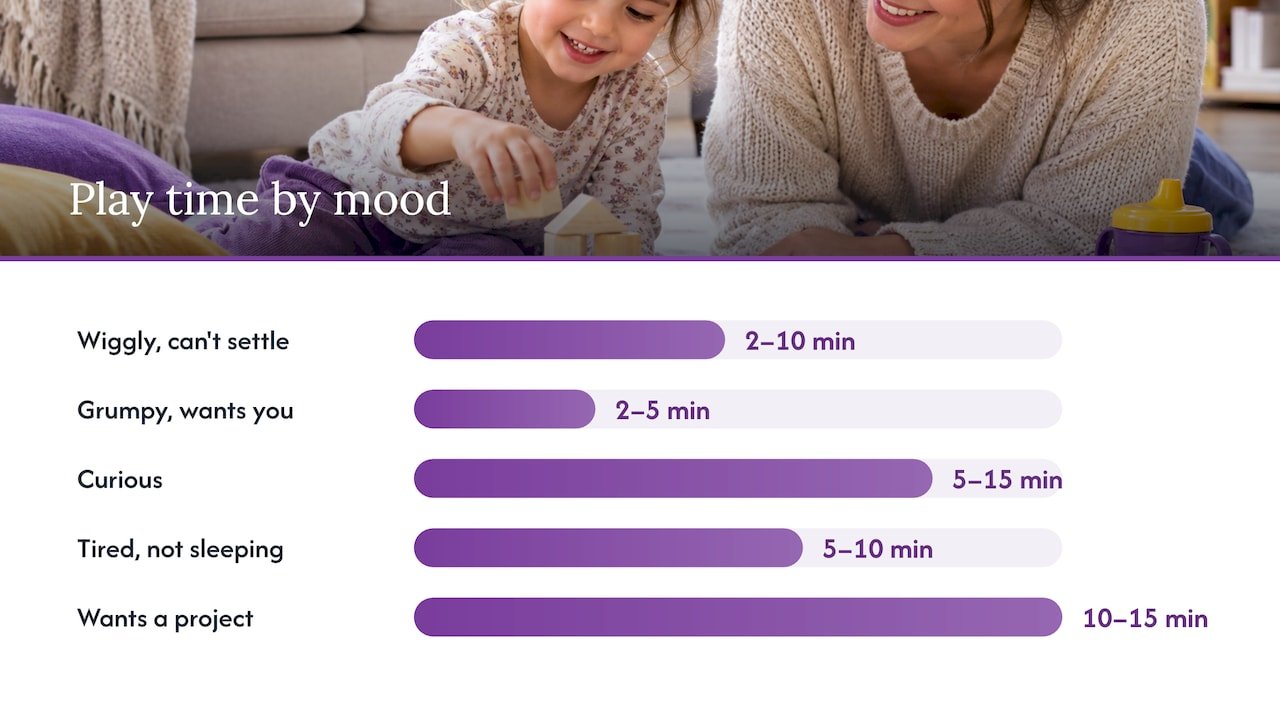
A quick guide: what to try, by mood
| Toddler mood | Try this first | Time it takes |
|---|---|---|
| Wiggly, can’t settle | Statues, animal walks, cushion stepping stones | 2 to 10 minutes |
| Grumpy, wants you | Sock puppets, nursery rhymes, commentary game | 2 to 5 minutes |
| Curious | Sink pouring, sponge squeeze, kitchen drumming | 5 to 15 minutes |
| Tired but not sleeping | Draw on an envelope, slow-motion walk, window watching | 5 to 10 minutes |
| Wants a project | Box car, blanket den, teddy hospital | 10 to 15 minutes |
The times are our own rough guide, and every toddler is different. If a game lasts 90 seconds, that is not failure. Change it, or move on to the next one.
Need more ideas for short windows? Our guide to no toy activities for 2 to 15 minutes covers that.
When you have a baby and a toddler at the same time
This is the hard one. You can’t pause for a baby, and a toddler can’t wait. A few ways to make it manageable:
- Pick floor games. If you are on the floor, the baby is on the floor next to you, and a toddler can jump, roll or crawl around you.
- Give your toddler a job. “Can you sing to the baby?” or “Can you show the baby the duck?” gives your toddler a role instead of a rival. Our guide to preparing your toddler for a new baby sibling goes into this in more depth.
- Sing. The NHS says to talk and sing to your baby cheerfully from around 4 months. Rhymes with actions suit both ages at once.
- Share the sink. Water play works for babies and toddlers alike, but only with you right there.
- Keep small parts away from the baby. Anything a toddler plays with that is smaller than their fist should be out of a baby’s reach.
We’ve used our own experience rather than a study for these tips, so adjust them to your own household.
Safety points for no-equipment play
Household objects were not designed as toys, so a short check is worth the ten seconds. The NHS advises checking for sharp edges and small parts that could be swallowed. Action for Children also says supervise craft play and watch for choking hazards, sharp items and anything that shouldn’t go in a mouth.
If you have any worry about a particular object, or about how your child is playing or developing, talk to your health visitor or GP.
Putting the phone down: Special Time
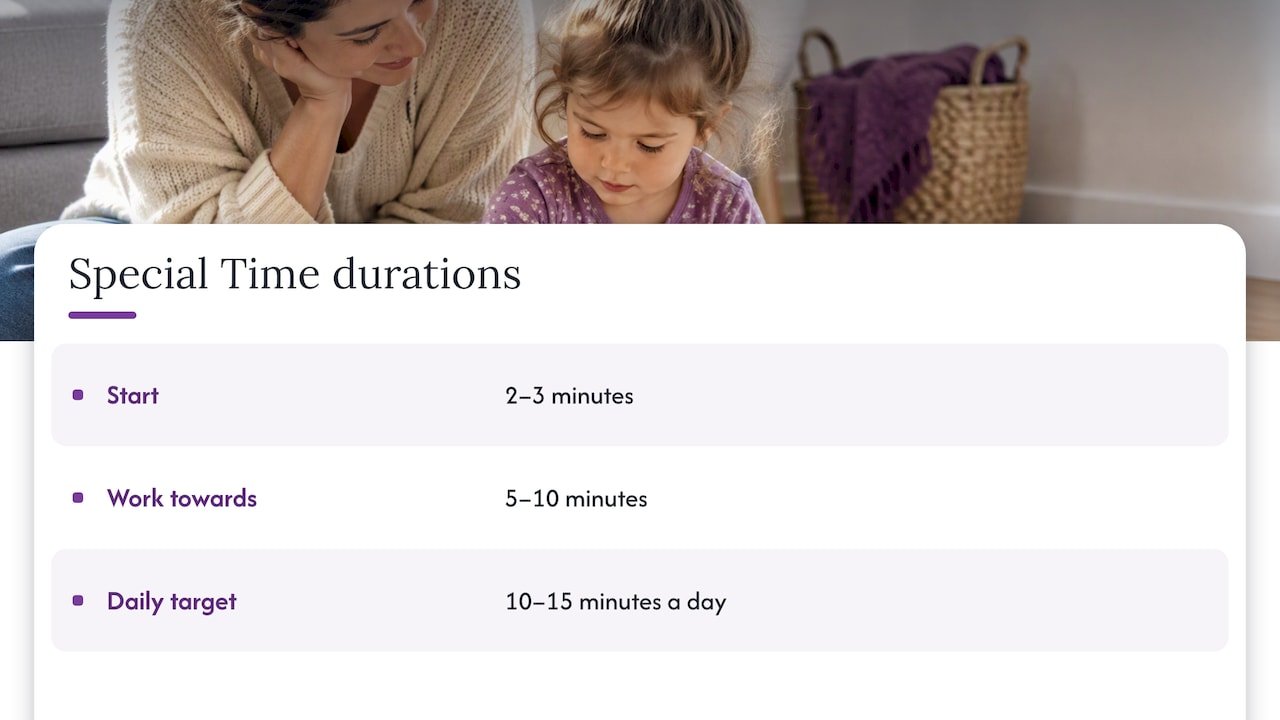
If your goal is less screen time for everyone, the simplest swap is a short daily block of full attention. Hounslow Council’s Early Years SEN Team recommends “Special Time”: put devices away, reduce distractions, give your full attention and follow your child’s lead. Start with even 2 to 3 minutes and work towards 5 to 10 minutes. The same guide suggests setting aside 10 to 15 minutes a day.
During that time, watch and listen. Make simple comments, copy what your toddler says and add one word or sound rather than asking lots of questions. That is it.
For more on connection in short windows, see our bonding activities for toddlers.
Our perspective: you don’t need more ideas, you need the right one at the right moment
We built Mooshie because we kept hearing the same thing from parents: it isn’t that they don’t love playing. It’s that at 4pm, tired, with a toddler pulling on their leg, they can’t think of anything. That is parental fatigue and creativity block, and it is nothing to be ashamed of.
So our view is simple. Good play for a toddler should take almost no setup, cost nothing and need no shopping. The best ideas use things you already have. And knowing why an activity helps, in plain language, makes it much easier to do on a tired day, because you can see that a two-minute game is doing real work.
We also think grown-ups deserve to get off their phones as much as toddlers do. If you are going to look at a screen to find an idea, it should be quick, it should hand you something to do right now, and then you should put it down and play.
— samit
Get a quick idea when your mind goes blank
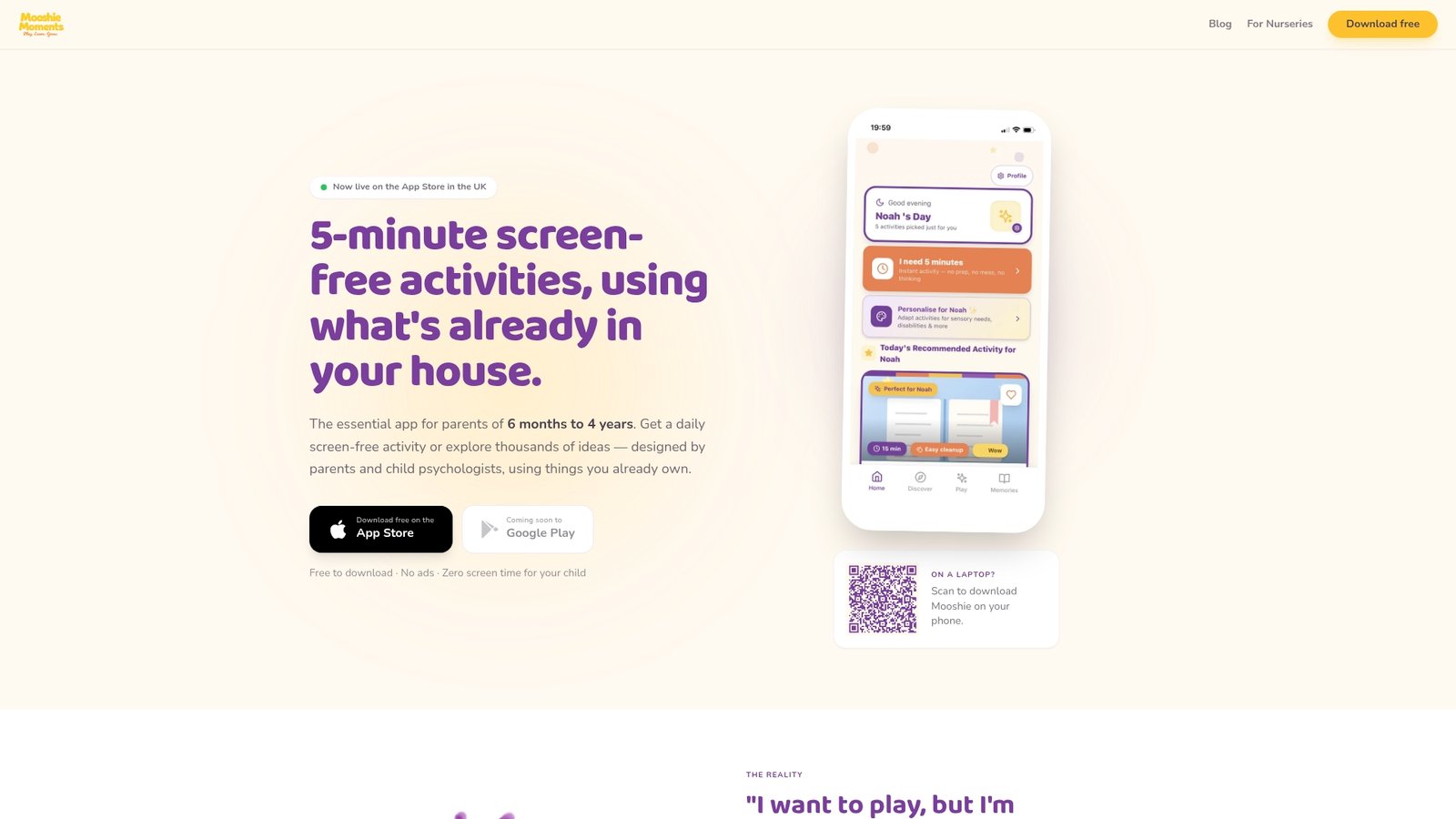
If you’d like ideas matched to your toddler’s age and the time you have, that is what Mooshie does. It is a free-to-download app for parents and caregivers of children from 6 months to 4 years, with screen-free activities that use everyday household items. You choose your child’s age, how much time and energy you have, and get an activity with a plain-language explanation of why it helps. Premium features are available by subscription.
Are you a nursery, childminder or early years setting? We also offer a Partnership Pack with a home-learning resource for your families, and you can see more at activities for nurseries, daycare and childminders.
Want to browse by skill first? Try our guide to low prep toddler activities by skill area.
FAQ
How do I keep a toddler occupied without any toys?
Use songs, rhymes, movement games and things from around the house. The NHS suggests books, songs, nursery rhymes and household items, and getting involved yourself. Start with a game like statues or a cushion path and see where your toddler takes it.
What are some fun games for toddlers without any equipment?
I-spy, hide-and-seek, a home scavenger hunt, statues, dancing, Simon Says and simple obstacle courses all need nothing. UNICEF recommends adapting the space and the rules to your child’s age and abilities. Keep the rules short and let your toddler change them.
How long should I play with my toddler each day?
There is no magic number. Hounslow Council’s Special Time guide suggests starting with 2 to 3 minutes, working towards 5 to 10 minutes, and aiming for 10 to 15 minutes a day, with devices away and the child leading. Short and regular is the idea.
Is it okay if my toddler wants the same game again and again?
Yes. The Welsh Playing at Home guide presents repetition and familiar play as valuable, because a familiar, safe space supports security and happiness. Add a small twist if you are bored, but don’t feel you have to.
Sources
- Baby and toddler play ideas, NHS
- Screen-free activities for children, UNICEF Parenting
- Indoor play ideas to stimulate young children at home, UNICEF
- Playing at Home guide 2024, Playful Childhoods Wales
- 10 No-Cost, Screen-Free Activities, HealthyChildren.org
- Special Time in the home, Hounslow Council
- Activity ideas for toddlers, Action for Children
- The Role of Pretend Play Development in Toddlers
Recommended
- Busy Parents: 12 No Prep Shopping Activities for Toddlers
- Babysitting Toddlers: 12 Low Prep Ideas and Why They Help
- Nature Play Ideas for Toddlers: 12 Simple Activities to Try
- Montessori Toddler Activities for UK Homes: 16 Ideas, No Shopping
Want a new idea every day, matched to your child's age?
Mooshie Moments gives you simple, guided play ideas for ages 6 months to 4 years.
Download free on the App StoreMore like this
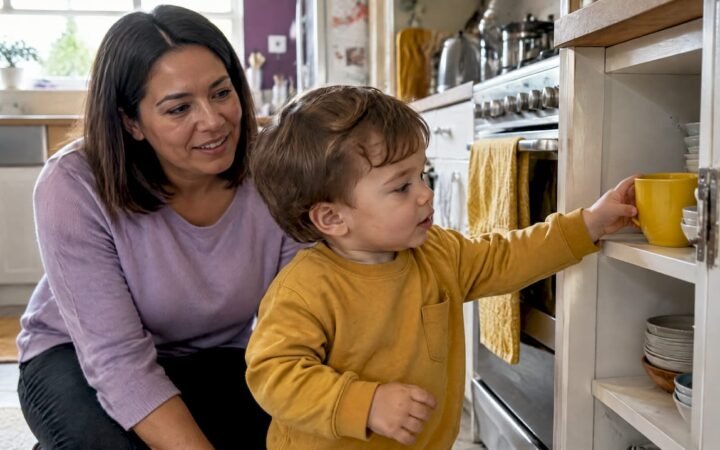
Toddler Scavenger Hunt: Easy Ideas for Home and Garden
Easy toddler scavenger hunt ideas using things you already have: indoor, garden and nature walk hunts, by age, with safety tips and…
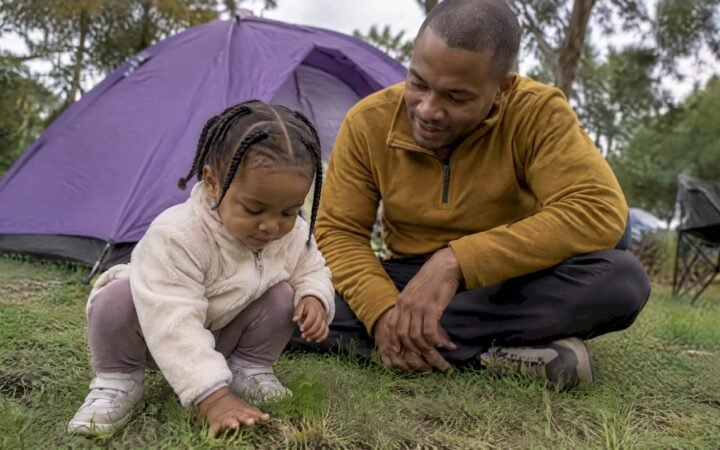
Camping With Toddlers: Activities That Work at the Campsite
Easy camping activities for toddlers using what you already have: nature play, campfire-free games, rainy-day ideas and safe-play tips for UK campsites.
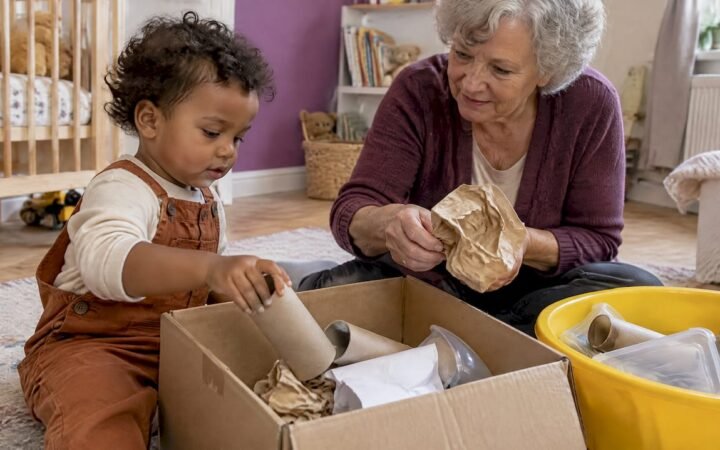
Eco-Friendly Toddler Activities Using Things You Already Have
Simple eco-friendly toddler activities using things you already have: water play, nature hunts, junk modelling and garden play, with safety tips for…