Montessori Toddler Activities for UK Homes: 16 Ideas, No Shopping
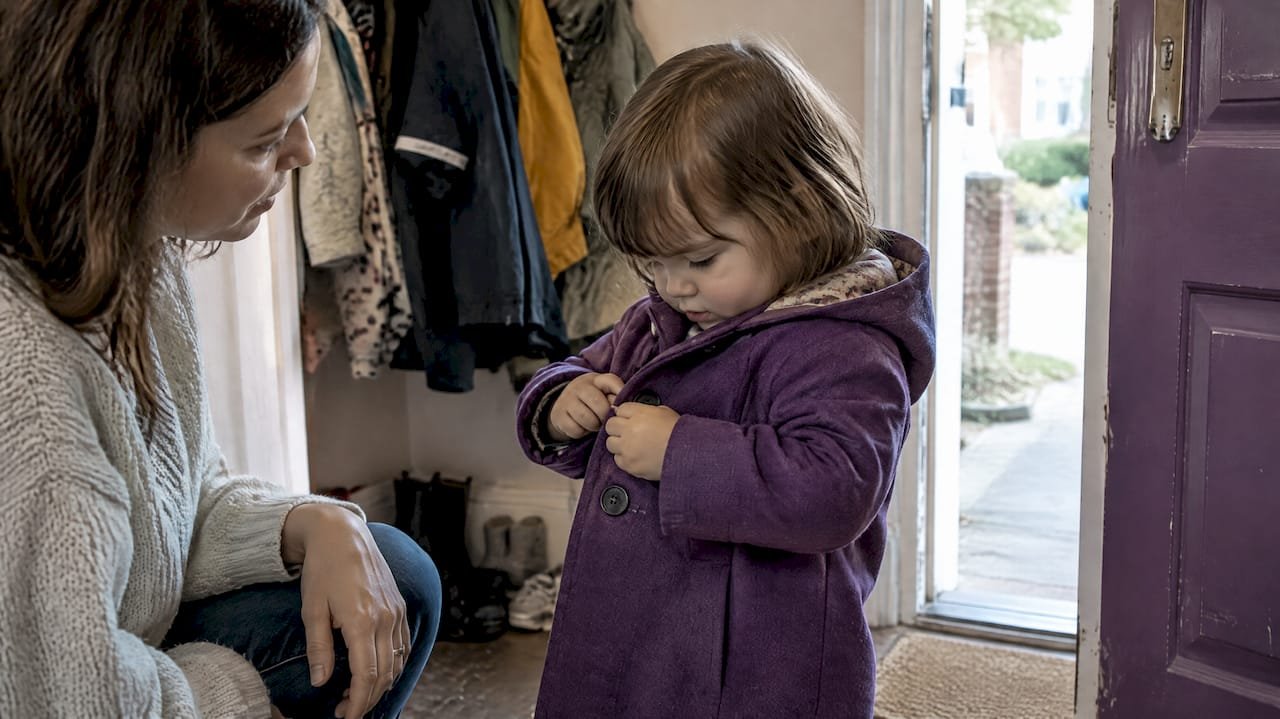
Start with four kinds of Montessori activities: pouring and food prep, self-care and dressing, care of the environment, and sensorial or fine motor play. Each one builds independence and helps toddlers practice focus and self-control, two skills that support executive function well beyond toddlerhood. Below, we break each category into simple, ready-to-use activities.
TL;DR:
- Demonstrate each task once, then step back; offer five to ten minutes daily and let your toddler repeat it or stop when interest fades.
- Keep only a few activities on a low shelf, use unbreakable cups for pouring, and supervise water play continuously rather than stepping away.
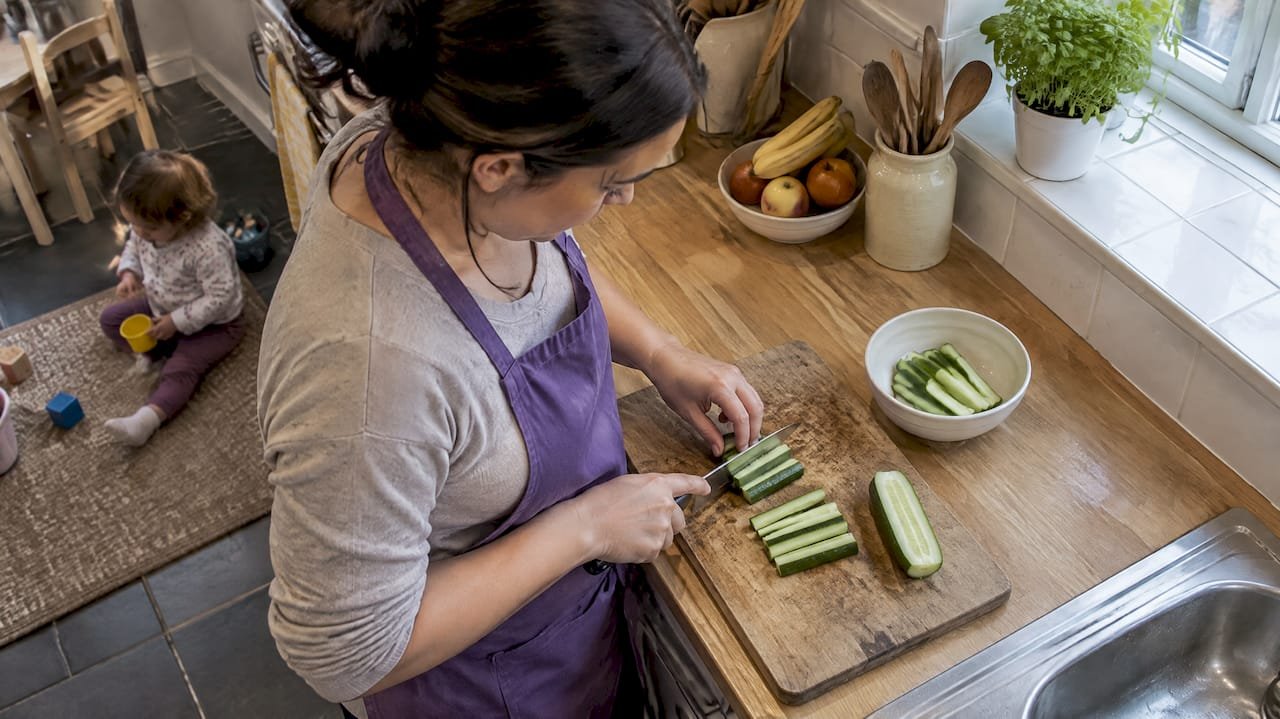
- Use blunt cutters for soft fruit, cut it into batons rather than rounds, and keep small parts, magnets, and button batteries out of reach.
- For babies, adapt Montessori principles to supervised sensory exploration; pouring and dressing tasks generally suit toddlers with better standing and hand control.
Table of Contents
- What practical life means for toddlers (and why it works)
- 16 Montessori toddler activities you can set up at home
- Keeping activities safe without losing the fun
- How to introduce an activity so your toddler takes the lead
- How Mooshie Moments fits into your routine
- A few words of encouragement
- Try Mooshie Moments for ready-made activity ideas
- FAQ
- Sources
What practical life means for toddlers (and why it works)
Practical Life is the Montessori term for everyday tasks a toddler can do on their own, pouring water, wiping a table, buttoning a coat, done at their own pace and repeated as often as they like. These are not games designed to entertain. They are real jobs with a real purpose, which is exactly why toddlers find them so satisfying.
Research on Montessori classrooms has linked this kind of purposeful, repeatable work to gains in working memory and inhibitory control, the building blocks of what psychologists call executive function. Multi-step tasks like washing a table give a toddler a reason to organize movements in sequence, which quietly lays groundwork for later reading and math.
UK early years guidance backs the same approach:
- The EYFS framework calls for repeated, varied opportunities for motor practice rather than one fixed method.
- NHS play guidance recommends ordinary household items like spoons, funnels and sponges for toddler play.
- The American Montessori Society describes these exercises as tools for concentration, coordination, and independence.
16 Montessori toddler activities you can set up at home
These activities use things you already own. We have grouped them by category and kept each one short enough to set up in a few minutes.
- Pouring between cups. Fill a small jug with water and set two cups on a shallow tray. Show your toddler how to pour slowly from one cup to the other, then let them try. It builds hand control and concentration, and the tray keeps spills contained so a mess never has to end the activity.
- Spreading on toast. Give your toddler a dull butter knife, a slice of toast, and a bowl of soft spread. Let them spread it however they like. This strengthens the hand muscles used for writing later on.
- Banana slicing with supervision. Use a blunt, child-safe cutter on a peeled banana while you watch closely. It teaches a real kitchen skill and a sense of contribution to the family meal.
- Washing fruit in a bowl. Set out a small bowl of water and a few pieces of fruit for scrubbing. It is low-stakes, repeatable, and satisfying for small hands.
- Hand-washing station. Put a stool by the sink with soap and a hand towel at child height. Letting your toddler manage this alone builds a daily habit of self-care.
- Button and snap frames. Mount a fastening frame with large, clear buttons at your toddler’s height. Present it once, then leave it available rather than repeatedly prompting them to use it, according to Montessori educators.
- Practicing shoes on and off. Set a pair of slip-on shoes by the door and let your toddler put them on and take them off, even if it takes a while. The patience pays off in independence at nursery drop-off.
- Dressing with elastic-waist bottoms. Choose clothing without tricky fasteners so your toddler can dress with minimal help. Small wins here build confidence fast.
- Child-size broom and dustpan. Keep a small broom within reach for sweeping up crumbs. It gives toddlers a genuine way to help, not just a toy version of helping.
- Table wiping. Offer a small damp cloth after snack time and show your toddler how to wipe in circles. This is one of the classic Practical Life exercises for building coordination and a sense of order.
- Watering plants. A small watering can and one or two sturdy houseplants make a simple daily routine. It teaches care for something outside themselves.
- Peg threading. Thread large clothespins onto the edge of a box or basket. This strengthens the pincer grip used later for holding a pencil.
- Color sorting. Sort buttons, pom-poms, or socks by color into small bowls. It is a quiet, independent task that builds visual discrimination.
- Transferring with tongs. Use kitchen tongs to move pom-poms or small blocks between two bowls. This is excellent fine motor practice that pairs well with sorting tasks.
- Simple wooden puzzles. Choose puzzles with four to six large pieces and knobs for little fingers. Repetition here matters more than variety.
- Junk modelling with recyclables. Save cardboard tubes and boxes for open-ended building and taping. It is a low-cost way to extend sensorial play once the basics feel easy.
Keeping activities safe without losing the fun
A few safety checks make it easier to let your toddler explore freely. UK safety guidance flags small parts, magnets and button batteries as leading hazards in homes with young children, and recommends practical checks to reduce ingestion risks.
- Secure loose batteries and keep small magnets out of reach entirely.
- Supervise any water activity directly, without stepping away.
- Choose unbreakable cups and jugs for pouring practice, saving glass or ceramic items for moments you are right beside your child.
- Keep sharp knives for adult use only, offering blunt, child-safe tools for cutting soft fruit.
- Store materials on a low shelf so your toddler can choose and return items independently.
One practical habit: keep a towel near any water or food-prep activity so cleanup becomes part of the routine rather than a reason to stop.
Government guidance on preventing unintentional injuries also suggests cutting food into batons rather than rounds and supervising water play closely, both easy habits to fold into the activities above.
How to introduce an activity so your toddler takes the lead
The way you present an activity matters as much as the activity itself. Demonstrate it once, slowly and without talking too much, then step back and let your toddler try. Use the same calm, simple words each time so the routine feels familiar.
- Offer a short daily slot, five to ten minutes, rather than a long session.
- Let your toddler repeat the same activity as many times as they want, even if it looks finished to you.
- When something spills or goes wrong, model the clean-up calmly instead of rushing to fix it yourself.
- Praise the effort and focus, not whether the task came out perfect.
- If your toddler loses interest mid-task, that is fine. Put the activity away and offer it again another day.
Pro Tip: Keep only a few activities out at once on a low shelf. Too many choices can overwhelm a toddler who is still learning to focus on one thing at a time.
How Mooshie Moments fits into your routine
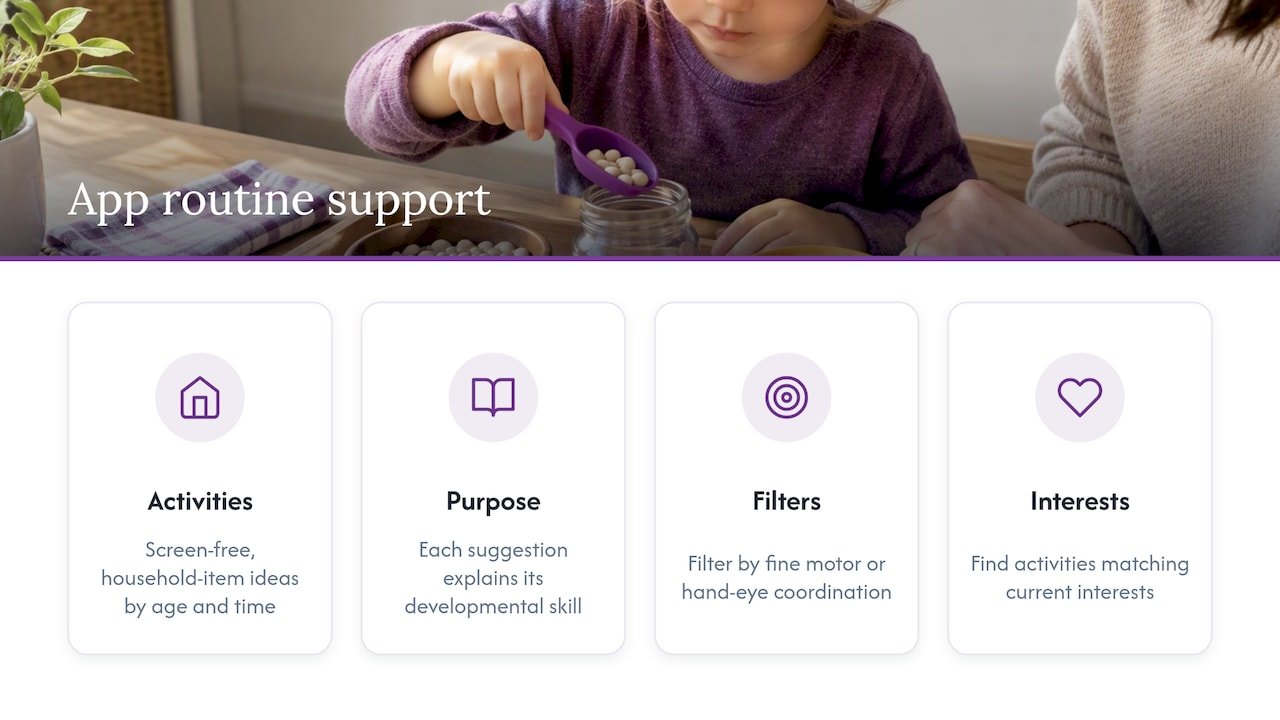
Once you have the basics down, the hardest part is often simply remembering what to set up on a tired afternoon. We built an app to help with that: it suggests screen-free, household-item activities tailored to a child’s age and available time, whether that is two or fifteen minutes.
Every suggestion in the app includes a plain-language explanation of the developmental skill behind it, so you understand why a pouring task or a sorting game is worth the time. You can filter by skill area, from fine motor practice to hand-eye coordination, and find something that fits your child’s current interest without digging through old notes or half-remembered ideas.
A few words of encouragement
Small, repeated activities add up faster than they feel like they do in the moment. Follow your child’s interest rather than a checklist, and keep every setup simple enough that you could do it again tomorrow without thinking twice. Jot down what your toddler gravitates toward. Those small notes often show you progress long before it is obvious day to day.
— samit
Try Mooshie Moments for ready-made activity ideas
We know how hard it is to come up with a fresh idea every day, especially when you are tired and the toy basket has already been raided twice this week. Mooshie gives you age-tailored, screen-free activities using things you already have at home, matched to however much time you’ve actually got.
If you want a running list of short, skill-focused activities to try this week, our low-prep toddler activities by skill area page is a good place to start. Download Mooshie and let your next five free minutes become a real moment of play.
FAQ
What do 2-year-olds do in a Montessori setting?
Two-year-olds in Montessori settings typically practice Practical Life tasks like pouring, spooning, and simple dressing, alongside sensorial activities such as sorting by color or size. The focus stays on repetition and child-led choice rather than structured lessons.
What are some learning activities for toddlers?
Good toddler learning activities include pouring water between cups, threading large beads or pegs, sorting objects by color, and simple self-care tasks like washing hands or putting on shoes. These activities build fine motor skills and independence through everyday materials rather than specialized toys.
What kind of children do best with the Montessori approach?
Children who get the most from a Montessori-style approach tend to be those given consistent chances to choose their own activity and repeat it at their own pace. The research on executive function suggests this child-led structure can benefit children across different starting points, not just a particular temperament.
Is Montessori suitable for babies?
Montessori principles can be adapted for babies through simple sensory exploration and safe, supervised reaching and grasping activities, though formal Practical Life tasks like pouring or dressing usually suit toddlers once they can stand and use their hands with more control. For babies, the NHS guidance on play recommends simple sensory items like fabric textures and safe household objects.
How do I know if an activity is too advanced for my toddler?
If your toddler shows frustration rather than focus, or loses interest within seconds every time, the activity may need simplifying, fewer steps, bigger pieces, or more guidance at the start. Watching for concentration rather than immediate success is the clearest sign an activity is pitched right.
Sources
- Montessori education and children’s outcomes (PMC)
- Baby and toddler play ideas – NHS
- Gov
- Practical Life Through the Ages – American Montessori Society
Recommended
- Ten Minutes: Screen Free Outdoor Activities for UK Toddlers
- UK Parents: Low Prep Toddler Activities by Skill Area in 2–15 Minutes
- UK Parents: 8 Low Energy Toddler Activities for Sofa Days
- 5 Minute Calming Activities for UK Toddlers, Screen Free & Low Prep
Want a new idea every day, matched to your child's age?
Mooshie Moments gives you simple, guided play ideas for ages 6 months to 4 years.
Download free on the App StoreMore like this
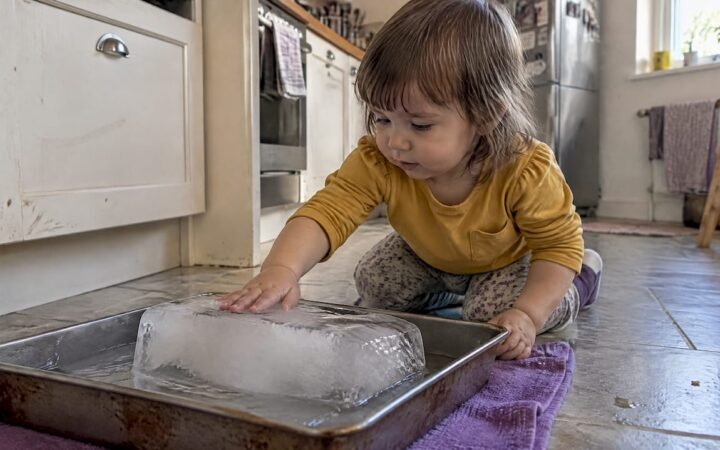
Ice Play Activities for Toddlers: 12 Easy, Safe Ideas
Simple ice play activities for toddlers using things you already have at home, with safety tips for choking and cold, plus ideas…
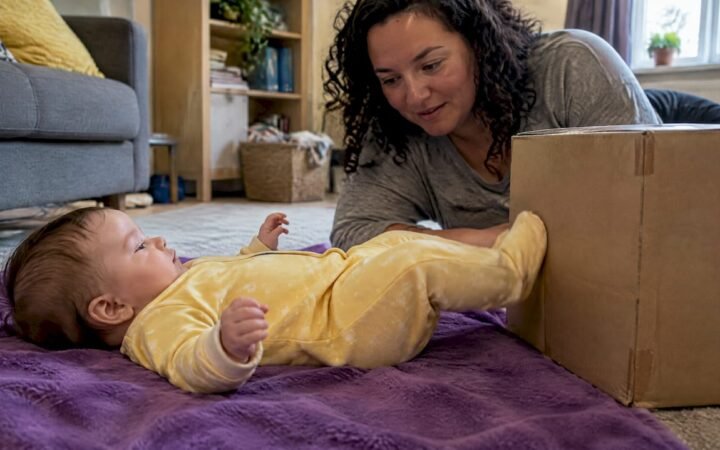
Cardboard Box Toddler Activities: 12 Ideas by Age
Twelve cardboard box activities for babies and toddlers, sorted by age, with safe prep tips and ideas for tubes too. No shopping,…
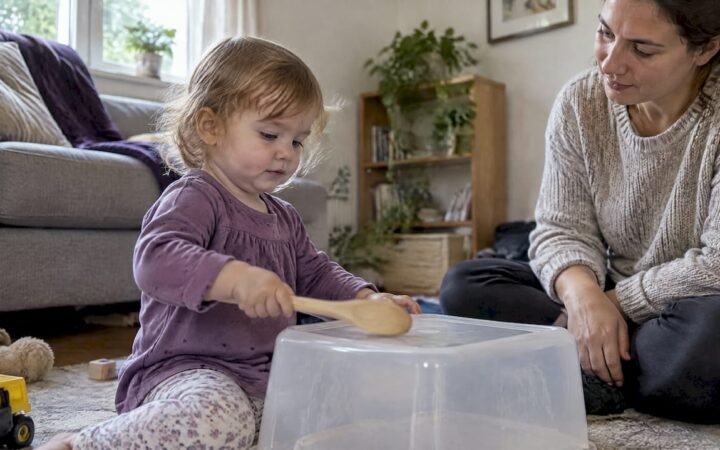
Best Boredom Busters for Toddlers: Easy, Screen-Free Ideas
Screen-free boredom busters for toddlers using things you already own: quick ideas by time and energy, set-up tips and honest advice for…