No New Toys Needed: Sensory Play Ideas Parents Can Use With Toddlers
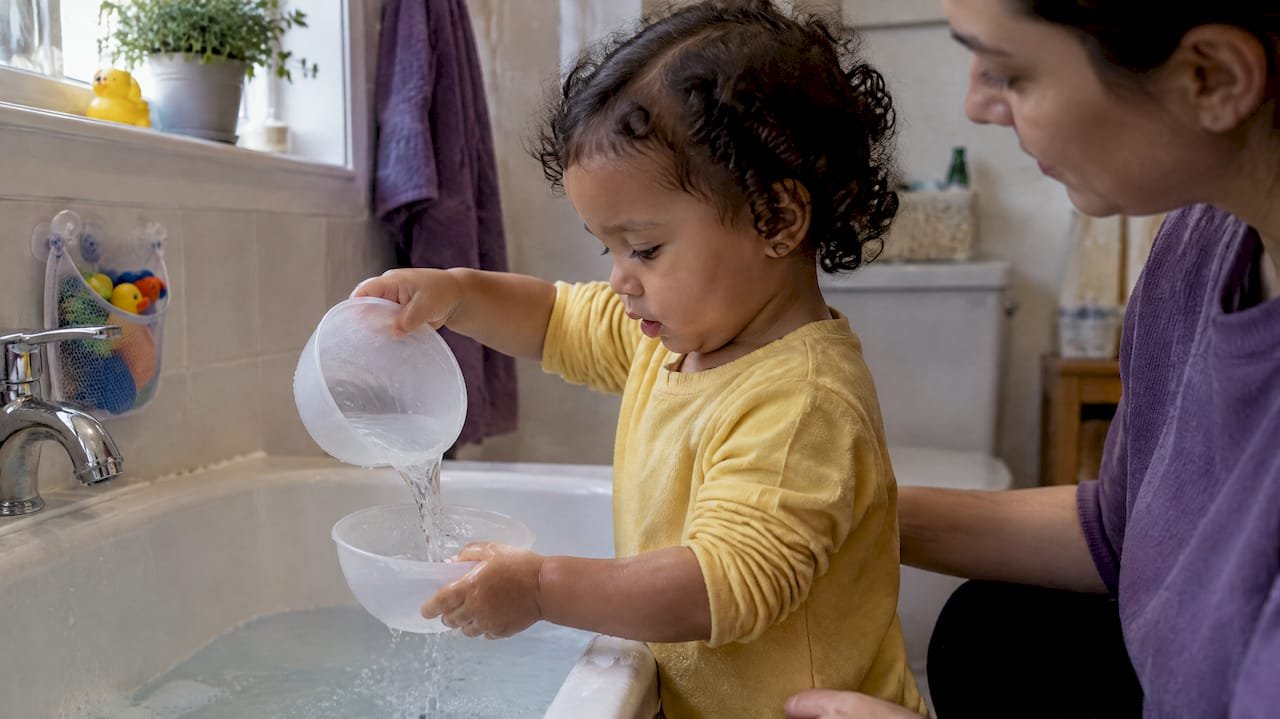
Here are easy, low-prep sensory play activities toddlers can do with household items, plus simple safety and adaptation tips. These ideas support sensory exploration using things you already own, follow NHS guidance on messy play, and steer clear of items flagged in the Gov water beads safety alert. We put this list together with the same thinking behind a popular parenting app: quick, real play, no extra shopping required.
TL;DR:
- Keep small loose parts larger than a 50p coin, supervise water play within arm’s reach, and empty containers as soon as play ends.
- Keep water beads out of homes with children under five; swallowed beads expand and can be difficult to detect through medical imaging.
- For toddlers wary of messy textures, start with sealed sensory bags and repeat the same activity over several days before inviting direct contact.
- For children who still mouth objects, choose taste safe options such as cooked pasta or cereal, and keep food play separate from meals.
Table of Contents
- 1. Twelve ready-to-run sensory play ideas with things you already have
- How to set up sensory play safely: choking, water, and hygiene basics
- Sensory play by sense: touch, smell, taste, sound, and sight
- Adapting sensory play for toddlers with sensory sensitivities
- Quick 10-minute sensory activities for busy days
- A note on keeping play simple
- Try tailored sensory activities with Mooshie
- FAQ
- Sources
1. Twelve ready-to-run sensory play ideas with things you already have
You don’t need a cupboard full of toys to give your toddler a rich sensory experience. Here are twelve activities built around household items, with quick setup steps and a safety note for each.
- Colorful cooked spaghetti: Cook spaghetti, toss with a little oil and food coloring, and let your toddler squeeze, stretch, and pile it in a tray. It’s soft and taste-safe, so it works well for toddlers who still mouth objects.
- Rice or pasta sensory tray: Fill a shallow tub with dry rice or pasta shapes and hide small scoops or cups inside for digging. Supervise closely since dry grains are a choking risk for toddlers under three.
- Shaving foam tray: Spread shaving foam on a tray or tabletop for finger painting and swirling patterns. Keep it away from the mouth and eyes, and wash hands straight after.
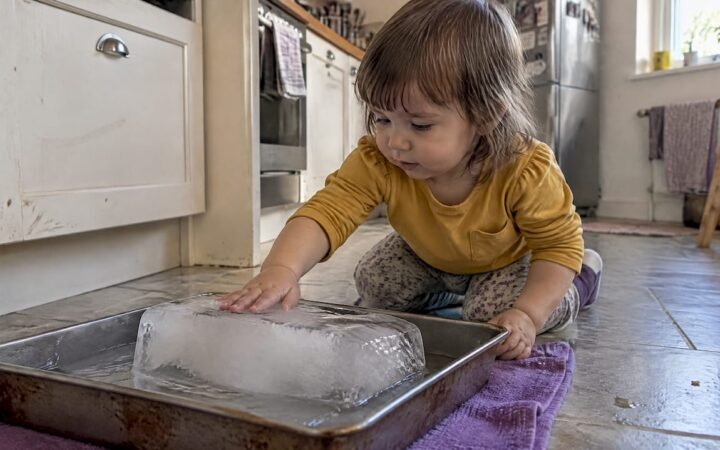
- Ice block treasure hunt: Freeze small toys or pom-poms into an ice block and let your toddler chip or melt them free with warm water. Stay close, as ice chunks can be a slipping or choking hazard if they break apart.
- Homemade playdough: Mix flour, salt, oil, and water for a simple, taste-safe dough that squashes and rolls easily. Store it in an airtight container between uses so it lasts for weeks.
- Bubble play: Blow bubbles in the bath or garden and let your toddler chase and pop them. Keep bubble solution out of reach, since it isn’t meant for drinking.
- Pom-pom sorting: Sort large pom-poms by color into egg cartons or muffin tins using tongs or fingers. Choose pom-poms bigger than a 50p coin, since smaller ones are a choking risk.
- Taste-safe cereal play: Pour dry cereal into a tray for scooping, pouring, and tasting. This is one of the better taste-safe sensory options for toddlers who still explore with their mouths.
- Sound shakers: Fill sealed, unbreakable bottles with rice, bells, or buttons for a shake-and-listen activity. Glue or tape the lids shut so nothing spills out.
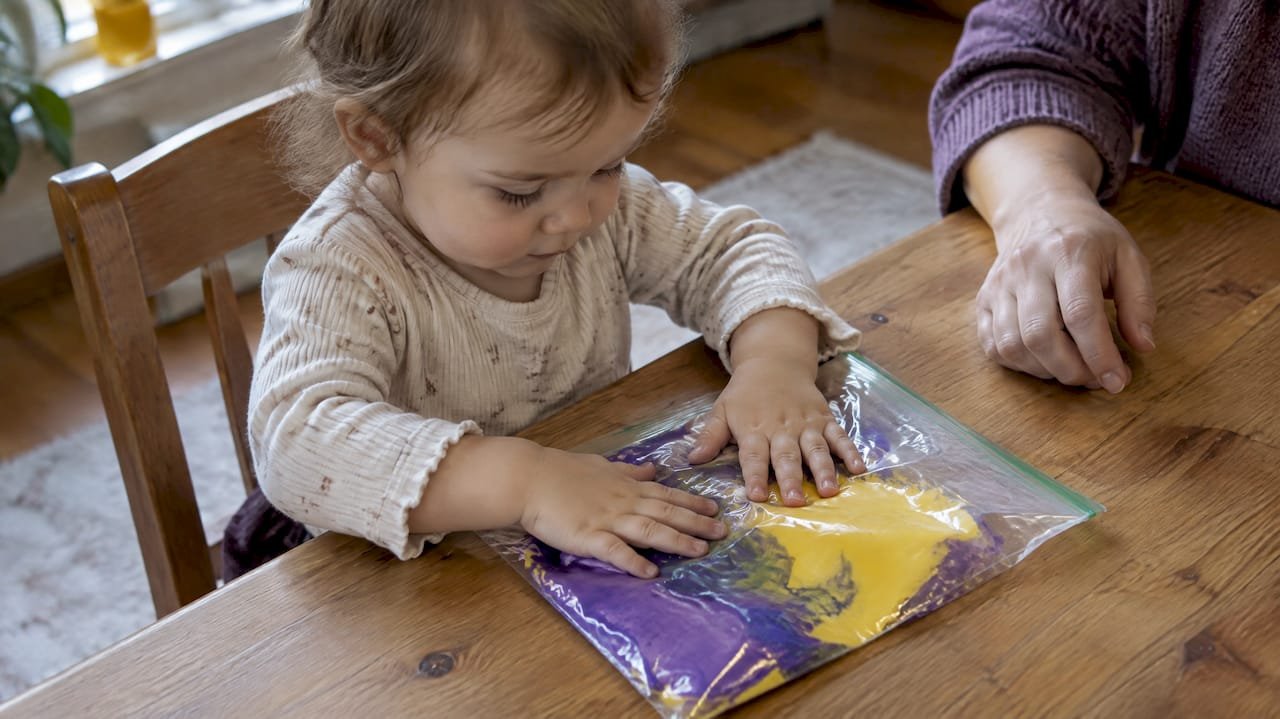
- Sensory paint bags: Squeeze paint or hair gel into a zip-lock bag, seal it tightly, and tape it to a window or table for mess-free squishing and drawing. This barrier approach keeps paint off hands entirely.
- Mud kitchen play: Set up old pots, spoons, and mud or wet sand outdoors for pretend cooking and mixing. Wash hands thoroughly afterward, especially before eating.
- Texture and fabric box: Fill a box with different fabric scraps, like velvet, fleece, and burlap, for touching and comparing. Check edges for loose threads that could wrap around small fingers.
How to set up sensory play safely: choking, water, and hygiene basics
Before any activity, a short safety check saves a lot of worry later. Choking is the biggest concern with small loose parts: UK toy-safety guidance recommends treating anything smaller than a 50p coin as a hazard for toddlers who still mouth objects.
Water play needs full attention too. Even a shallow tray holds enough water for a young child to struggle in, so never step away, even for a moment, and empty containers as soon as play ends.
Water beads are not recommended for homes with children under five. The Office for Product Safety and Standards issued an alert warning that water beads expand dramatically when swallowed and don’t show up on an X-ray, making them hard to treat if ingested.
A few quick checks before you start:
- Confirm all pieces are bigger than a 50p coin or are soft and taste-safe.
- Arrange supervision so you’re within arm’s reach the whole time.
- Separate food-based play from mealtimes so eating never feels pressured.
- Keep edible materials fresh and wash hands before and after.
- Have a clean-up plan ready, like a towel or dustpan nearby.
Sensory play by sense: touch, smell, taste, sound, and sight
Matching an activity to a specific sense helps you pick the right one for the moment, whether your toddler needs calming down or waking up.
- Touch: Playdough and fabric boxes build fine motor control and strengthen the pincer grasp used for later writing.
- Smell: Mild spices like cinnamon or vanilla added to dough or rice, as suggested by local NHS play resources, introduce new scents in a gentle, contained way.
- Taste-safe: Cooked pasta or cereal trays let toddlers explore with their mouths safely, which matters most for children under two.
- Sound: Shakers and pot-and-spoon drumming support early language by connecting cause and effect.
- Sight: Colored spaghetti or ice treasure hunts introduce contrast and movement, which can be alerting for a sleepy toddler or overstimulating for a tired one.
Start gentle (soft textures, quiet sounds) and build toward more intense sensory input as your toddler shows interest. Watch their reactions: leaning in and reaching usually means more, while turning away or fussing means it’s time to pause.
Adapting sensory play for toddlers with sensory sensitivities
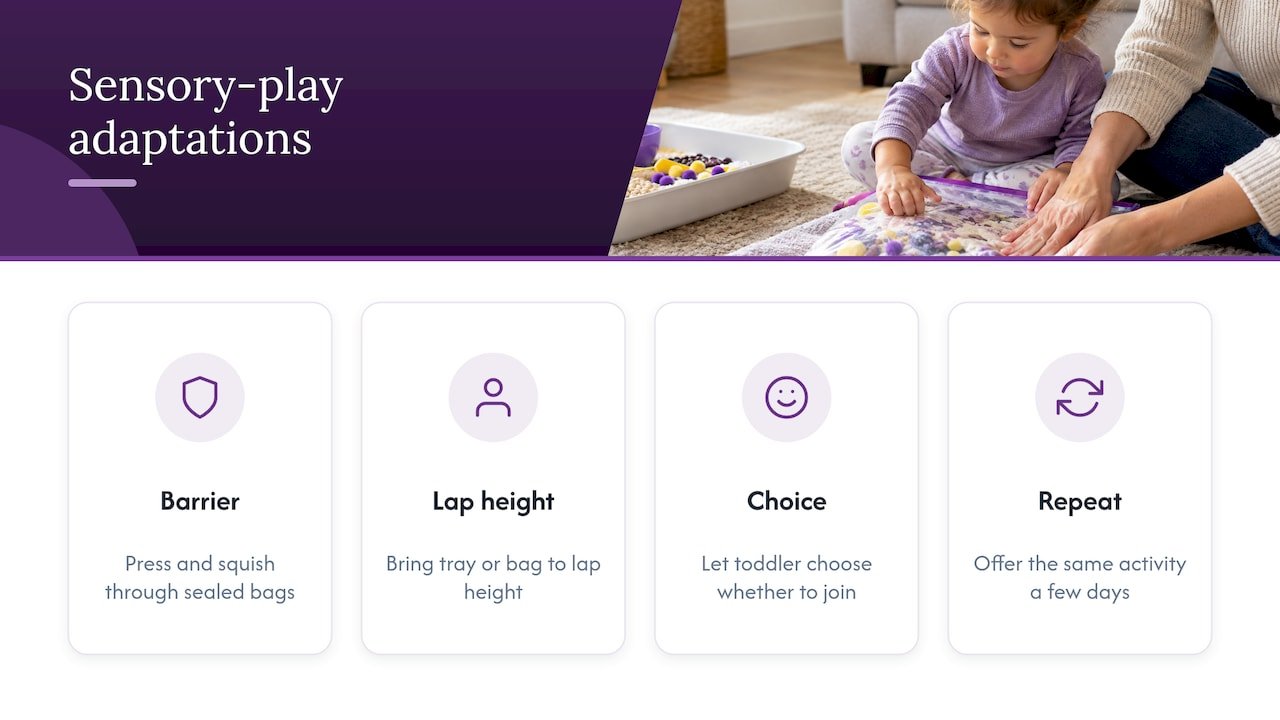
Some toddlers pull back from messy textures, and that’s common, not a problem to fix quickly. The EPUT Early Years Sensory Awareness Toolkit recommends barrier play, like sealed zip bags of paint or dough, so a child can press and squish without direct skin contact, then build up to touching the material directly over time.
For toddlers who use a wheelchair or tire easily, seated options like wheelchair-friendly sensory activities bring the tray or bag to lap height instead of asking for floor play.
Set the activity up, stay nearby, and let your toddler choose whether to join in. Never push a hand into a texture they’re avoiding.
Pro Tip: Offer the same sensory activity a few days in a row. Repetition builds confidence faster than variety does for a sensitive toddler.
Quick 10-minute sensory activities for busy days
Some days you have five minutes, not fifty, and that’s fine — quick sensory activities are explained in detail in this parent’s guide to sensory play and child development. These micro-activities need almost no setup or cleanup.
- Fill a muffin tin with water and let your toddler transfer it with a spoon.
- Scrunch tissue paper into balls for quick catch-and-drop play.
- Run a textured sponge over bare feet or hands for a fast tactile moment.
- Shake a sealed jar of buttons to a nursery rhyme.
- Press fingers into a bag of cooled, cooked rice for warm, taste-safe squishing.
Keep a small “sensory kit” tub of spoons, tongs, and containers so you can grab and go. For more ready-made short activities sorted by skill, our low-prep toddler activities collection has plenty to pick from.
A note on keeping play simple
We’ve learned that the best sensory moments aren’t the elaborate ones. A toddler squishing cooked pasta for three minutes while you sit nearby builds just as much as a big production. Small, repeatable wins beat perfect setups every time.
— samit
Try tailored sensory activities with Mooshie
Finding the right activity for the right moment gets easier when suggestions match your toddler’s age and the time you actually have. The app offers screen-free activity ideas filtered by age, available time, and energy level, including taste-safe and sensory-friendly options, all built from things already in your home.
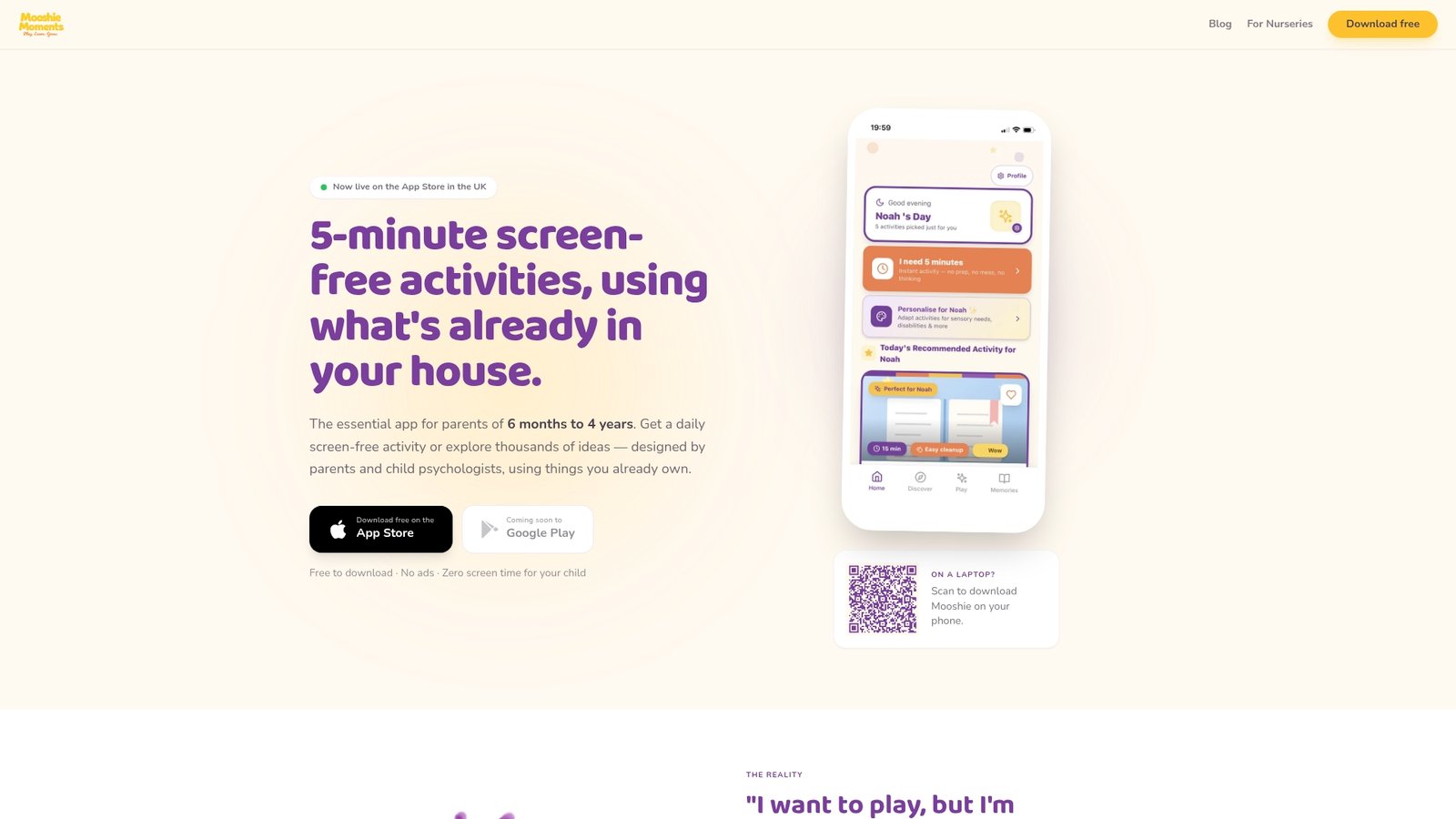
No extra shopping lists, no guesswork about what’s safe for your toddler’s stage. Explore Mooshie and find today’s activity in under a minute.
FAQ
What are some easy sensory play ideas for toddlers?
Cooked spaghetti, homemade playdough, and rice or pasta trays are some of the easiest options since they use items most homes already have. Each takes only a few minutes to set up and offers a different texture or taste-safe experience for your toddler to explore.
What are some ideas for sensory play activities for toddlers?
Good options include shaving foam trays, pom-pom sorting, sound shakers, and sensory paint bags, each targeting a different sense like touch, sound, or sight. Choosing a mix across the senses helps you match the activity to whether your toddler needs calming down or waking up.
What are some good sensory activities for a 2-year-old?
Taste-safe cereal trays, homemade playdough, and bubble play work well for 2-year-olds since they’re soft, forgiving, and easy for small hands to manage. Our guide to activities for 2-year-olds has more age-matched ideas if you want a wider range.
What are 10 fun and engaging sensory activities for children?
A strong starter list includes colored spaghetti, a rice tray, shaving foam, an ice treasure hunt, playdough, bubbles, pom-pom sorting, taste-safe cereal, sound shakers, and sensory paint bags. Each one uses household items and can be adapted for a child’s age and sensitivity level, as outlined by NHS play guidance.
Are water beads safe for toddler sensory play?
No, water beads are not recommended for households with children under five. The GOV.UK product safety alert warns they expand significantly if swallowed and are difficult to detect on an X-ray, making them a serious ingestion risk.
Sources
- Gov
- Baby and toddler play ideas — NHS
- Early Years Sensory Awareness Toolkit — EPUT
- Fun ways to play — Buckinghamshire Healthcare NHS
Recommended
- Taste Safe Sensory Play: Top 10 Ideas for Mouthing Toddlers
- UK Parents: Low Prep Toddler Activities by Skill Area in 2–15 Minutes
- Low Prep Music and Movement for Busy Parents That Works in 5 Minutes
- 10 Minute Indoor Obstacle Course for Toddlers: NHS Backed, No New Toys
Want a new idea every day, matched to your child's age?
Mooshie Moments gives you simple, guided play ideas for ages 6 months to 4 years.
Download free on the App StoreMore like this
Ice Play Activities for Toddlers: 12 Easy, Safe Ideas
Simple ice play activities for toddlers using things you already have at home, with safety tips for choking and cold, plus ideas…
Cardboard Box Toddler Activities: 12 Ideas by Age
Twelve cardboard box activities for babies and toddlers, sorted by age, with safe prep tips and ideas for tubes too. No shopping,…
Best Boredom Busters for Toddlers: Easy, Screen-Free Ideas
Screen-free boredom busters for toddlers using things you already own: quick ideas by time and energy, set-up tips and honest advice for…