
Taste Safe Sensory Play: Top 10 Ideas for Mouthing Toddlers
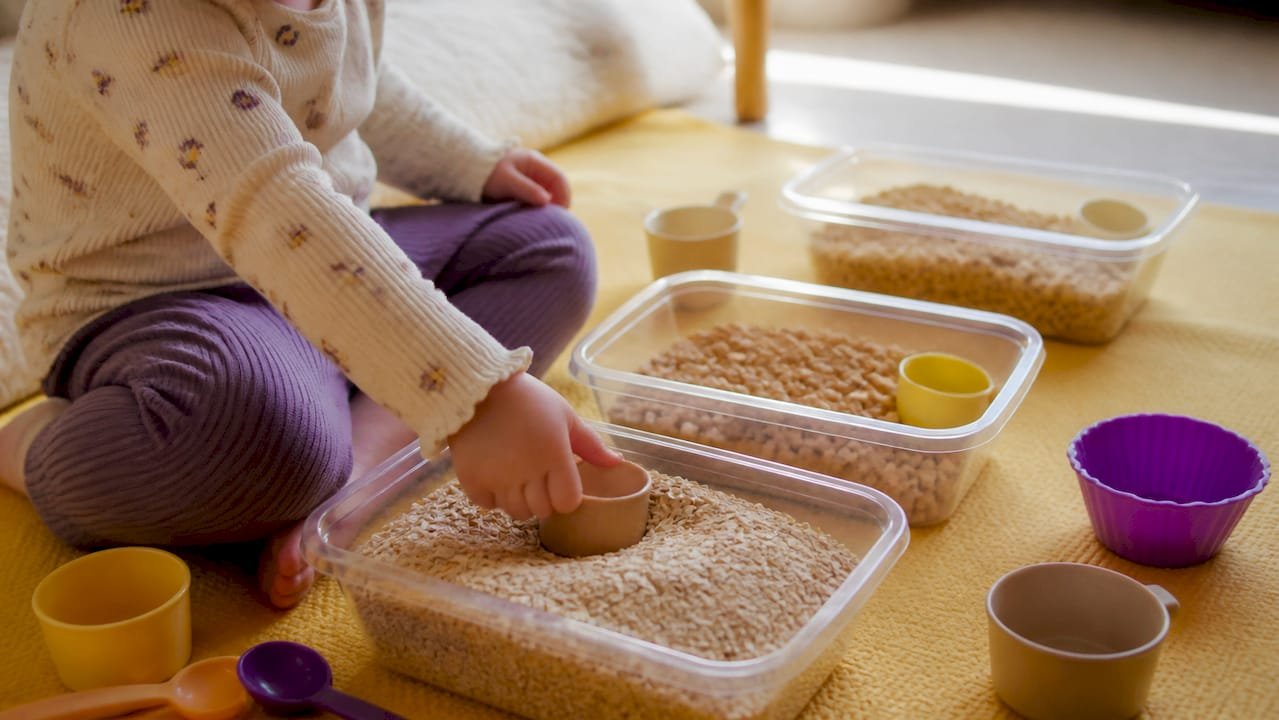
Taste safe sensory play is genuinely practical for babies and toddlers who mouth — and yes, you can start today with things already in your kitchen. The key is choosing edible or non-toxic ingredients and staying within arm’s reach the entire time.
- Best for: Babies and toddlers aged 6 months and up who explore everything with their mouths
- Non-negotiable rule: Direct, seated supervision for every single session, no exceptions
Key Takeaways
Taste safe sensory play is safe and developmentally useful for mouthing babies and toddlers when you use edible or non-toxic ingredients and stay within arm’s reach for every session.
| Point | Details |
|---|---|
| Supervision is non-negotiable | Stay within arm’s reach for every session, no matter how safe the material. |
| Start bland, not tasty | Unseasoned materials keep toddlers focused on texture rather than eating. |
| Top go-to fillers | Cooked pasta, aquafaba foam, and crushed Cheerios are quick, low-prep, and genuinely safe. |
| Keep sessions short | Five to ten minutes is the right window for babies and young toddlers. |
| Mooshiemoments | The app provides age-personalized, 5-minute sensory activity ideas using household items for children aged 6 months to 4 years. |
Table of Contents
- What “taste safe” actually means for your child’s development
- Safety checklist, age guidance, and allergy cautions
- 10 taste-safe recipes and fillers your toddler will love
- Foods and materials to avoid or handle carefully
- How to introduce sensory play to a child who mouths everything
- How Mooshiemoments supports age-tailored taste-safe activities
- What I’ve noticed about bland materials and focused play
- Mooshiemoments makes taste-safe play even easier
- Sources
What “taste safe” actually means for your child’s development
“Taste safe” doesn’t mean the same thing as “edible.” It means the ingredients are non-toxic or food-based, chosen specifically because your child will likely mouth them. Some items, like cooked pasta or mashed peas, are genuinely edible. Others, like cornstarch or aquafaba foam, are safe in small tastes but aren’t meant as snacks.
That distinction matters for how you set up play. According to Busy Toddler’s sensory activity guidance, sensory activities support fine motor skills, early math concepts like capacity and volume, imaginative play, and self-regulation. When a baby scoops oats into a cup and dumps them out, they’re building hand strength and learning cause and effect at the same time.
Common taste-safe ingredient categories you’ll see throughout this article include cooked grains and pasta, whipped aquafaba (the liquid from a can of chickpeas), cooked tapioca pearls, and plain dry cereals. All of them come from a regular grocery run.
Safety checklist, age guidance, and allergy cautions
Before you set up any edible sensory play, run through this checklist every time.
- Stay within arm’s reach. Seated, direct supervision is the foundation of every safe session.
- Keep sessions short. Five to ten minutes is plenty, especially for babies under 12 months.
- Sit-down play only. A high chair tray or low table keeps materials contained and your child stable.
- Watch for large-quantity swallowing. A taste is fine. Handfuls are not. Redirect calmly and consistently.
- Screen for allergens first. Introduce any new food ingredient in a normal mealtime before adding it to a sensory bin. Chickpeas, oats, and wheat pasta are common allergens.
- Know the signs of a reaction. Hives, swelling around the mouth, vomiting, or unusual fussiness after contact are reasons to stop and call your pediatrician.
- Discard perishable mixes promptly. Cooked pasta and aquafaba foam should be discarded after the session or within 24 hours if refrigerated.
- Wash hands before and after. Yours and theirs.
Age notes: Cooked, soft pasta and mashed fruit work well from around 6 months. Whole Cheerios are appropriate only once your child can safely handle them at mealtimes. Hold off on whole chia seeds for babies under 12 months due to choking risk.
Pro Tip: Before any new sensory bin, do a quick “taste test” yourself. If it tastes strongly of salt or has a sharp flavor, it’s not bland enough. The goal is boring to eat and interesting to touch.
10 taste-safe recipes and fillers your toddler will love
These are grouped by texture so you can pick what fits your child’s current stage. Each one takes under five minutes to prepare.
Squishy and soft
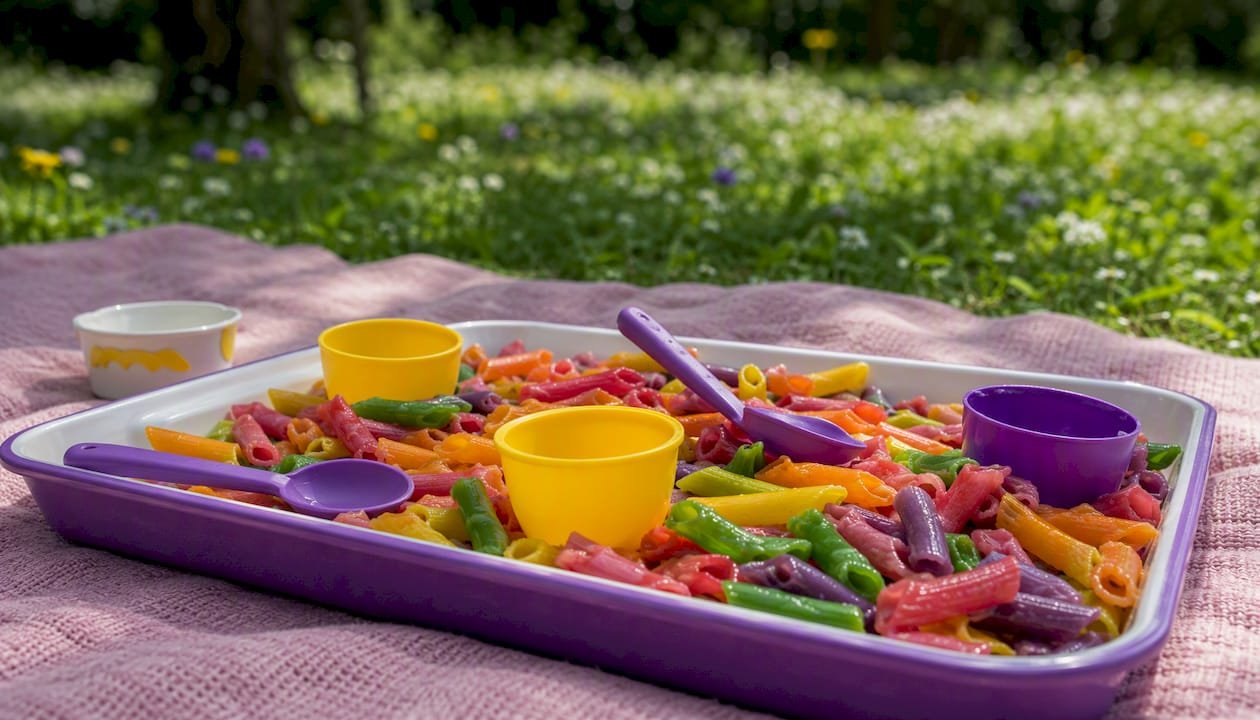
1. Cooked pasta
Boil any short pasta shape (penne, rotini, or shells work well) until very soft, then cool completely. Skip the salt. Spread on a tray or in a shallow bin. For color, toss with a few drops of food coloring while still warm. The Montessori Room’s low-prep recipe guide recommends dyed cooked pasta as one of the easiest high-engagement setups for home and classroom use.
Age note: 6 months and up. Storage: Refrigerate up to 24 hours; discard after that.
2. Mushy peas
Thaw frozen peas and mash lightly with a fork, or leave some whole for older toddlers who can handle them safely. No seasoning. The slightly lumpy texture is surprisingly engaging for little fingers.
Age note: 6 months and up (fully mashed). Storage: Single-use; discard after play.
3. Cooked oatmeal (cooled)
Plain rolled oats cooked with water and cooled to room temperature make a thick, gooey filler. Add a little extra water for a looser texture. The Craft-at-Home Family’s extensive filler list includes plain oats among its top picks for younger babies.
Age note: 6 months and up. Storage: Discard after the session.
Dry and crumbly
4. Crushed Cheerios (cereal sand)
Pour plain Cheerios into a zip-lock bag and crush lightly with a rolling pin until you have a mix of whole pieces and fine crumbs. The result behaves like coarse sand. Great for scooping with a spoon.
Age note: 12 months and up, once your child handles Cheerios safely at meals. Storage: Airtight container, up to one week.
5. Plain rolled oats (dry)
Dry oats straight from the container are a low-mess, crumbly filler. They pour, scoop, and feel satisfying in small hands. Avoid flavored or instant varieties.
Age note: 8 months and up. Storage: Reusable if kept dry; discard if wet.
Foamy
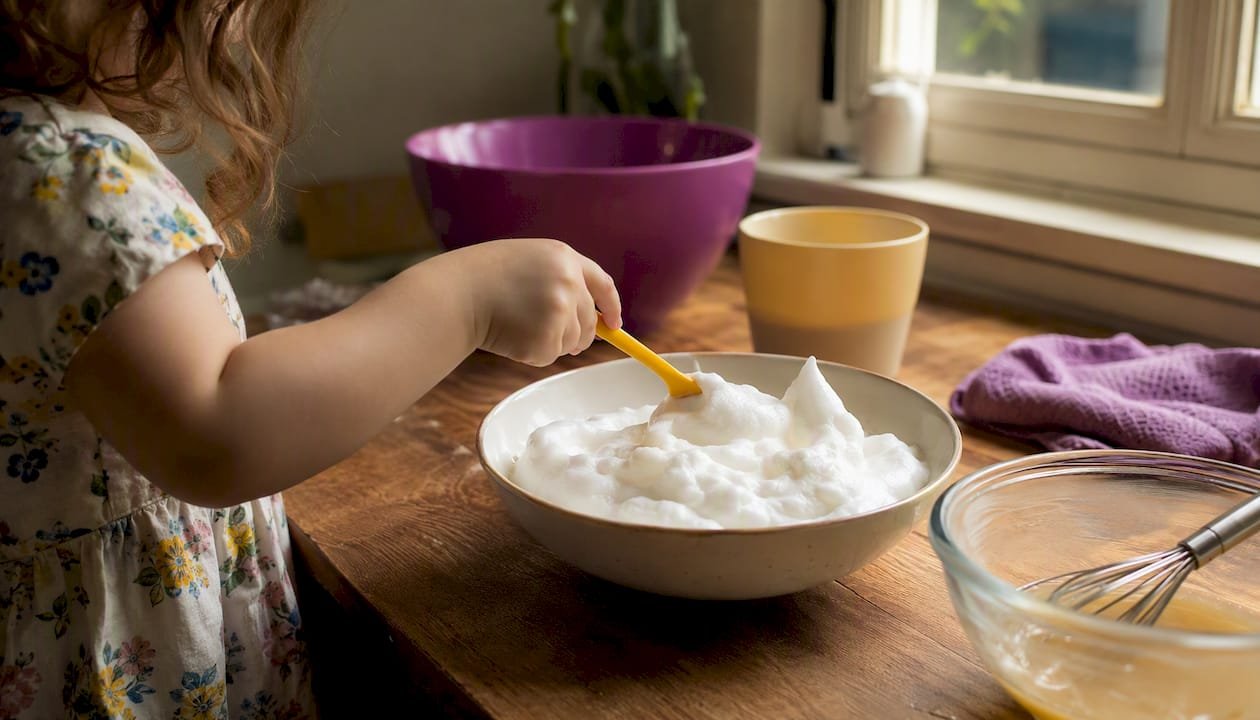
6. Aquafaba chickpea foam
Open a can of chickpeas and drain the liquid into a bowl. Whip with a hand mixer for 3–4 minutes until stiff peaks form. That’s it. The Montessori Room describes aquafaba foam as a taste-safe alternative to shaving cream, with a light, cloud-like texture babies find fascinating. Speech therapists also use chickpea foam alongside language prompts to support therapy goals.
Age note: 6 months and up. Storage: Single-use; deflates within an hour.
Pro Tip: Keep aquafaba foam intentionally unseasoned. Parent-tested approaches show that bland materials keep toddlers focused on the texture rather than trying to eat more of it.
Non-Newtonian
7. Oobleck (cornstarch and water)
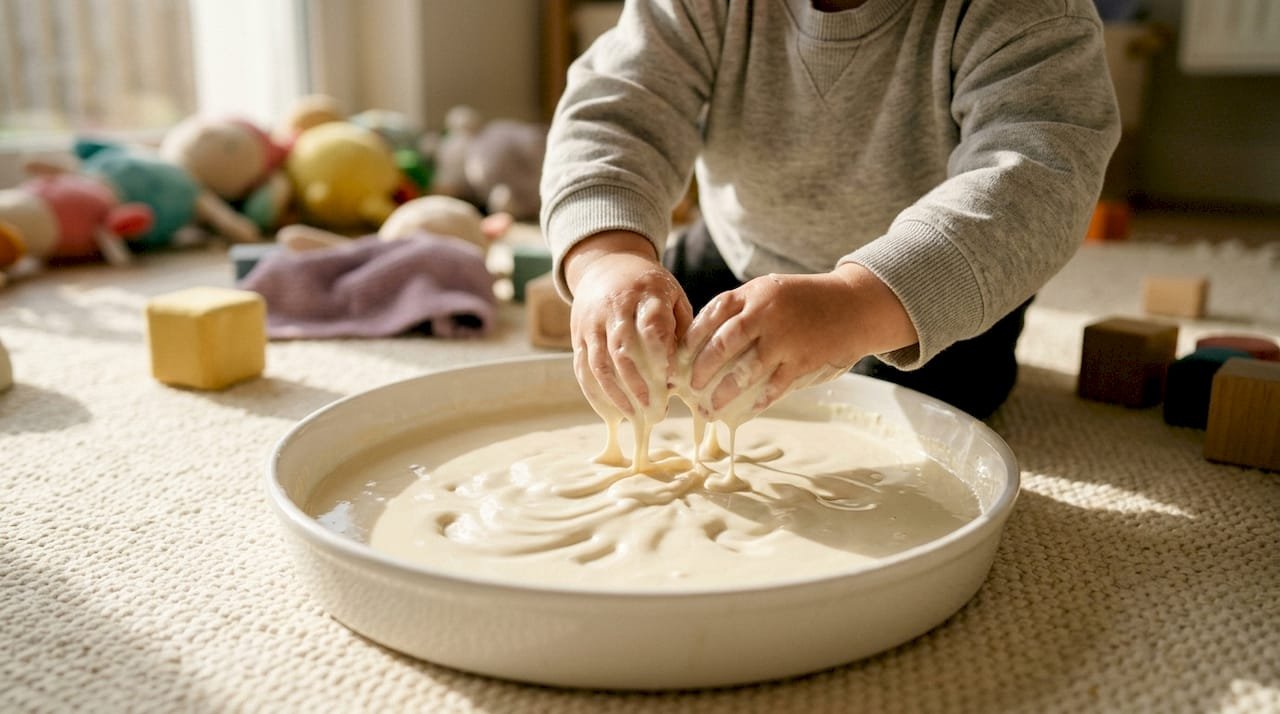
Mix 2 parts cornstarch to 1 part water. Stir slowly. The result is solid when pressed and liquid when released. Pour cornstarch carefully to avoid inhaling the powder, and supervise closely throughout. This one is taste-safe but not meant to be eaten in quantity.
Age note: 12 months and up, with close supervision. Storage: Single-use; discard after play.
Bead-like
8. Cooked tapioca pearls
They look and feel like water beads but are fully edible. The Craft-at-Home Family recommends cooked tapioca pearls as a safe water-bead alternative for tactile play.
Age note: 12 months and up (whole pearls are a choking consideration for younger babies). Storage: Refrigerate up to 24 hours.
Seed-based
9. Chia seed slime
Mix 3 tablespoons of chia seeds with 1 cup of water. Let sit for 20 minutes until a thick gel forms. The texture is slippery and slightly gritty. Whole chia seeds are a choking risk for babies under 12 months, so this one is for older toddlers only.
Age note: 12 months and up. Storage: Refrigerate up to 48 hours.
Grain-based
10. Plain cooked rice (cooled)
Cook white rice until soft, cool completely, and spread on a tray. It clumps, separates, and sticks to fingers in a way babies find endlessly interesting. Skip salt entirely.
Age note: 8 months and up (soft, not crunchy). Storage: Discard after the session; cooked rice spoils quickly at room temperature.
Here’s a quick comparison to help you choose:
| Filler | Prep time | Texture | Best for |
|---|---|---|---|
| Cooked pasta | 10 min | Squishy, slippery | Scooping, color exploration |
| Crushed Cheerios | 2 min | Dry, crumbly | Pouring, fine motor |
| Aquafaba foam | 5 min | Light, foamy | Squishing, sensory novelty |
| Oobleck | 2 min | Non-Newtonian | Older toddlers, science play |
| Cooked tapioca pearls | 5 to 10 min | Bead-like, slippery | Tactile exploration |
| Dry rolled oats | 5 to 10 min | Crumbly, soft | Youngest babies, low mess |
Foods and materials to avoid or handle carefully
The single most important rule: “Taste safe” does not mean “safe to eat freely.” Supervision is what makes any of these materials safe — not the ingredient itself.
Some pantry staples are non-toxic in tiny tastes but are not food. Salt, baking soda, and raw flour fall into this category. Raw flour in particular carries a bacterial risk and must be heat-treated (baked at 350°F for 5 minutes) before use in any sensory activity.
Avoid these entirely for babies and young toddlers:
- Raw nuts and nut pieces — choking hazard and allergen risk
- Whole grapes, cherry tomatoes, or whole berries — round, firm foods are a choking hazard for children under 4
- Uncooked rice or dry beans — too hard for young babies and a choking risk
- Large whole seeds — pumpkin seeds and sunflower seeds are fine for older toddlers but not for babies under 12 months
- Water beads (non-edible) — these look similar to tapioca pearls but are toxic; always use cooked tapioca as the alternative
The difference between taste-safe and fully edible is worth repeating: cooked pasta is food. Cornstarch oobleck is not. Both are fine for mouthing in small amounts, but only one belongs on a dinner plate.
How to introduce sensory play to a child who mouths everything
A child who mouths constantly isn’t doing anything wrong. It’s developmentally normal, especially under 18 months. The goal isn’t to stop mouthing — it’s to make the environment safe while it happens.
- Start with one ingredient. A single tray of dry oats is less overwhelming than a full bin. Let your child explore it for 5 minutes before adding anything else.
- Model touching, not eating. Run your own hands through the material. Say “we touch this one” in a calm, matter-of-fact tone. Repetition over days works better than correction in the moment.
- Offer a snack nearby. A small bowl of actual food beside the sensory tray helps your child learn the difference between play materials and snacks. This is one of the most practical tips from parent-tested taste-safe approaches.
- Use single-serve portions. A small bowl or tray limits how much material is available at once, which naturally limits ingestion.
- Keep sessions to 5–10 minutes. Short windows prevent overstimulation and make it easier to stay fully present.
- Pause if needed. If your child repeatedly tries to eat large handfuls, gags, or can’t be gently redirected, end the session calmly. No frustration, no big reaction. Try again another day.
For children with sensory processing differences, start with the calmest textures first — dry oats or cooled cooked rice — before moving to slippery or foamy materials. If your child shows strong aversion or distress, a pediatric occupational therapist can help you build a sensory plan that fits their specific needs.
How Mooshiemoments supports age-tailored taste-safe activities
Finding the right activity for your child’s exact age and your available energy can be the hardest part. That’s where Mooshiemoments comes in.
- Age-personalized ideas: The app covers children from 6 months to 4 years, so the activities it suggests match your child’s current developmental stage, not a generic toddler range.
- 5-minute setup: Every activity uses household items and is designed to be ready in minutes, which matters when you have a fussy baby and limited time.
- Screen-free and research-backed: Each activity includes a short developmental explanation so you know what skill your child is building, not just what they’re doing.
- Sensory play built in: The library includes sensory ideas that account for mouthing, with notes on which materials work for younger babies versus older toddlers.
- Nursery and early-years support: If you work in an early-years setting, Mooshiemoments for nurseries offers printable packs and partnership resources that pair well with classroom-level safety practices.
Pro Tip: Use the app to set a timer for sensory sessions. A consistent 5-minute window helps your child learn the routine and makes it easier for you to stay fully engaged throughout.
What I’ve noticed about bland materials and focused play
The advice to keep taste-safe materials intentionally bland sounds counterintuitive at first. Why would boring food hold a toddler’s attention? But watching a child work through a bowl of unseasoned aquafaba foam, poking it, smearing it, watching it collapse, you see something shift. When the material doesn’t taste interesting, the texture becomes the whole point. The mouthing slows down. The hands get busier.
Supervision is still the constant. No material, however safe, replaces a caregiver who is present and watching. But bland plus supervised is a genuinely effective combination, and it’s one that holds up across the different textures covered here.
Mooshiemoments makes taste-safe play even easier
Getting a fresh activity idea every day, matched to your child’s age and your available time, is exactly what Mooshiemoments delivers. Parents of babies and toddlers get a library of quick, screen-free sensory activities that use what’s already in the kitchen, with developmental notes for each one.
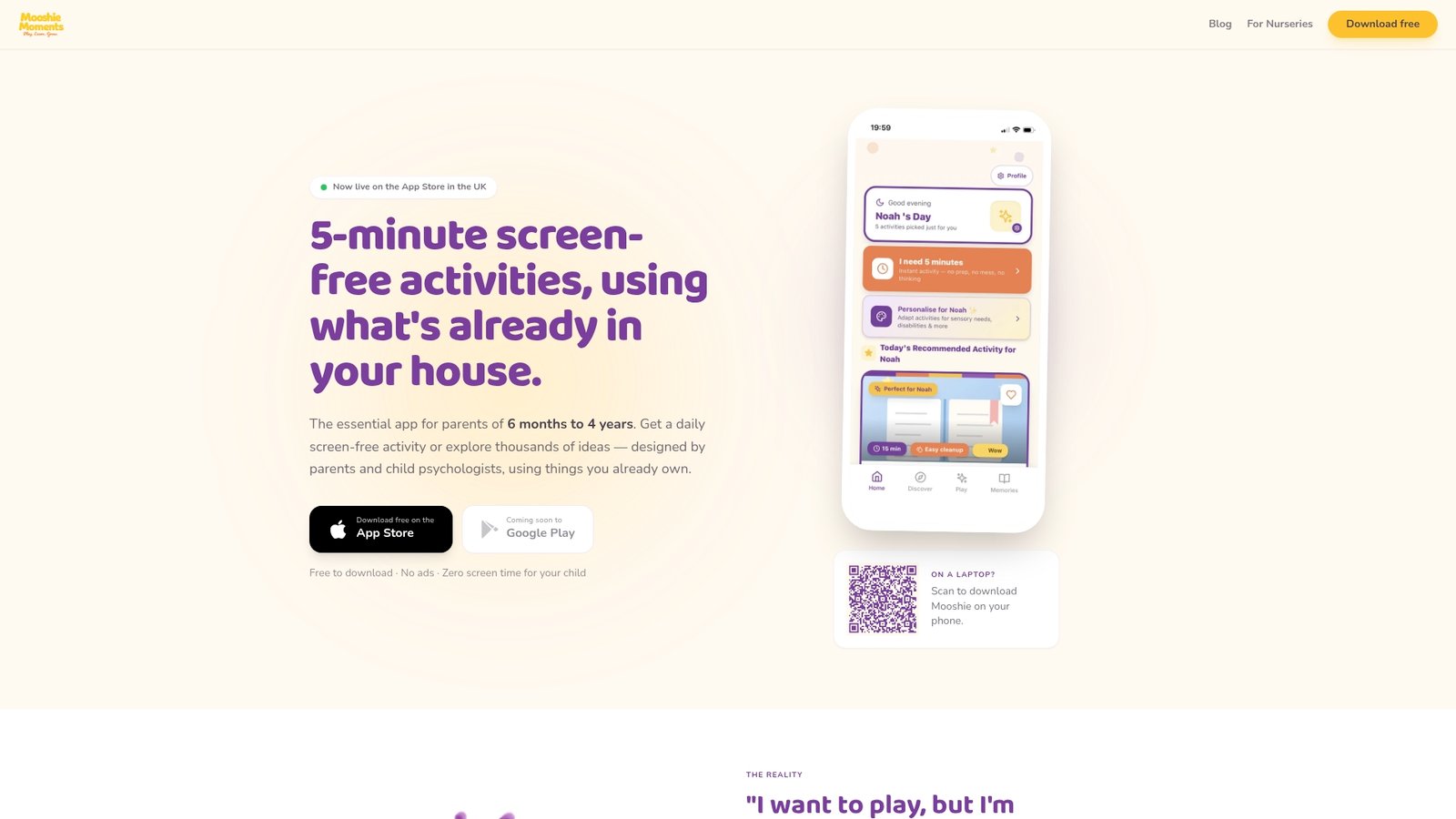
Download Mooshiemoments and get age-tailored, 5-minute sensory activity ideas starting today. No complicated setups, no extra purchases, and no screen time required.
- What you get right away: A personalized activity matched to your child’s age, a short safety tip, and a developmental explanation you can actually use.
Sources
- 60+ Taste-Safe Sensory Bin Fillers for Babies & Toddlers – The Craft-at-Home Family
- Taste-Safe Sensory Play Ideas for Toddlers
- Sensory Activities for Toddlers & Preschoolers – Busy Toddler
- An Extensive list of Taste-Safe Sensory Bin Fillers and How to use Sensory Bins in Speech Therapy
- 4 Taste-Safe Sensory Bin Fillers – Pasta, Chickpea Foam, Peas, and Cereal – The Montessori Room
Recommended
Want a new idea every day, matched to your child's age?
Mooshie Moments gives you simple, guided play ideas for ages 6 months to 4 years.
Download free on the App StoreMore like this

Toddler Bonding Activities Busy Parents Can Do in 2–15 Minutes
Find easy toddler bonding activities for busy parents, with 2 to 15 minute ideas using household items and UK child development guidance…

Toddler Counting Games: Playful UK Ideas, No Kit Needed
Find playful counting games for toddlers using household objects, songs, movement, printables, and simple digital play, with age tips grounded in UK…
Montessori Toddler Activities for UK Homes: 16 Ideas, No Shopping
Find 16 Montessori activities for toddlers using household items, plus safety advice, UK guidance, and ideas tailored by age from Mooshie Moments.