Toddler Counting Games: Playful UK Ideas, No Kit Needed
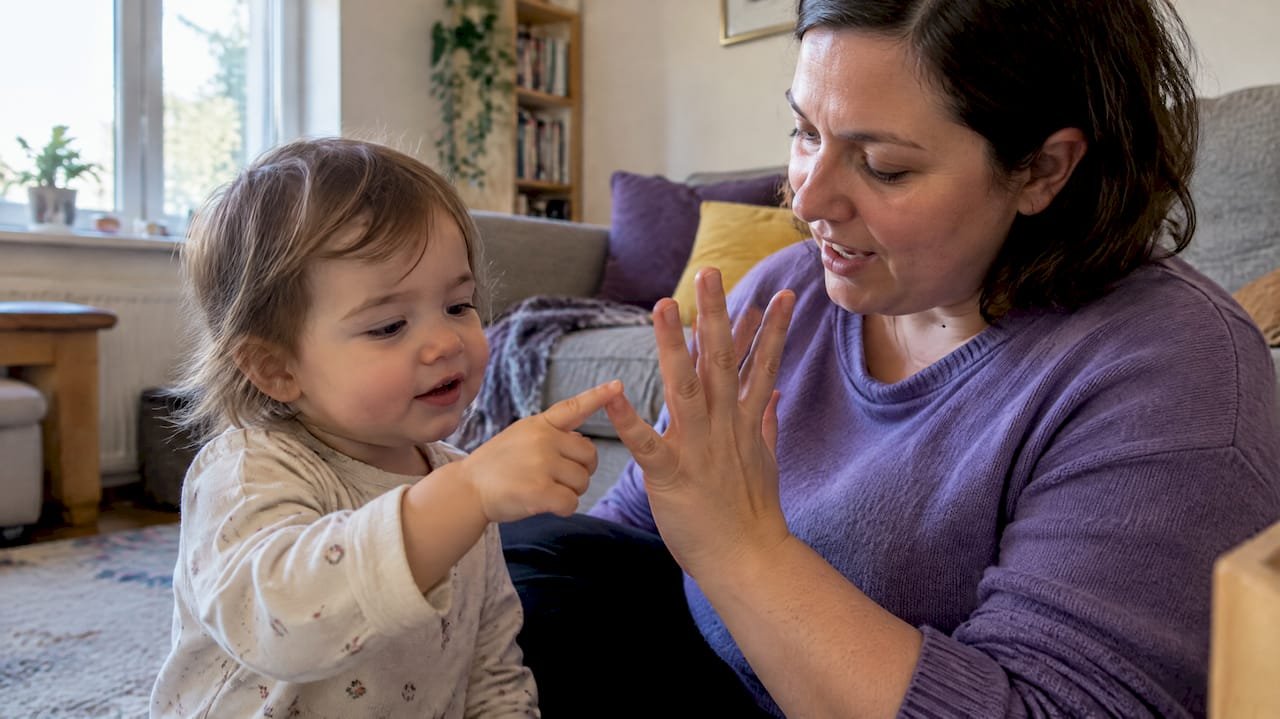
Short, playful counting games using everyday items are the best way to help a toddler build early number sense. A few minutes is plenty: just match one number word to one object, and you’re there. Below, we’ve grouped activities by type (hands-on, movement, songs, printables, simple digital) with age adaptations and quick tips you can start using today.
TL;DR:
- From 12 to 18 months, use number words during routines; from 18 to 24 months, match each number word to two or three objects.
- At 24 to 36 months, extend counting to five or more and ask how many; increase difficulty after your toddler matches objects and totals reliably.
- Keep focused sessions to five to ten minutes, praise attempts, and model skipped numbers next time instead of interrupting an engaged toddler.
- Choose brief digital games with few ads and adult participation; keep screens secondary to object play, and match materials to your toddler’s sensory needs.
Table of Contents
- 1. Hands-on counting games using household objects
- 2. Which songs and movement games build counting skills?
- 3. Printable and simple digital counting options
- 4. How to adapt counting games by age and skill
- 5. Practical tips: session length, language, and gentle correction
- 6. Why these activities work, and how Mooshie Moments supports them
- 7. Tips for leveraging sibling or peer interaction in counting games
- 8. Adapting counting games for different learning styles and needs
- A quick word from our author
- Make counting part of your everyday play with Mooshie
- FAQ
- Sources
1. Hands-on counting games using household objects
You don’t need flashcards or workbooks. A bowl of buttons or a basket of socks does the job just as well, and real objects help toddlers connect number words to actual quantities, which is exactly what early years guidance recommends.
Try a few of these:
- Pebble treasure hunt: hide five or six pebbles around a room and count each one as your toddler finds it.
- Button sorting: sort buttons by color first, then count how many are in each pile.
- Snack counting: line up crackers or grapes before snack time and count them together before eating.
- Number boxes: label small boxes 1 to 5 and ask your toddler to drop in the matching number of pom-poms.
- Feed the monster: draw a face on a box, cut a mouth slot, and count clothespins as they go in one by one.
- Sock pairing: pull socks from a laundry basket and count pairs as you match them.
- Stacking cups: stack cups while counting aloud, then knock them down and count again on the rebuild.
- Toy car lineup: line up cars by color and count each row before a pretend race.
For each game, keep the setup under a minute. The learning focus is one-to-one correspondence: touching or moving one object while saying one number. Once your toddler reliably matches objects to numbers up to three, add more items or ask “how many are there now?” after counting, which nudges toward cardinality, understanding that the last number said names the total amount.
Pro Tip: Keep a small basket of counting items (buttons, pom-poms, pebbles) by the door so a counting game is always within reach when you have a spare five minutes.
2. Which songs and movement games build counting skills?
Active counting games pack in a surprising amount of learning for very little setup. Play-based activities strengthen executive function in toddlers, including working memory, self-control, and focused attention, alongside number knowledge.
- Counting hops: hop in place and count each jump out loud.
- Jump-number track: chalk numbers on the sidewalk or floor and jump from one to the next in order.
- Clap-and-count: clap a number of times and ask your toddler to copy the count.
- Fingerplays: songs like “Five Little Ducks” or “Five Little Monkeys” pair number words with finger movements.
- Stair counting: count each step aloud as you climb or descend together.
- Ball bounce count: bounce a ball and count each bounce before catching it.
Keep sessions short and let your toddler set the pace. For younger toddlers, stick to counting to three or four; for older ones, stretch toward ten once they’re steady with smaller numbers.
3. Printable and simple digital counting options
Low-prep printables and the occasional supervised app round out a counting routine without adding pressure or screen time.
- Number trays: print numbers 1 to 5, laminate, and set out matching objects to place on each.
- Dot-to-dot counting sheets: simple dot-to-dot pages where your toddler counts aloud while connecting.
- Cup-fill races: time how fast your toddler can fill a cup with a set number of pom-poms.
- Counting mats: a laminated mat with numbered circles for placing small toys.
- Sticker counting: place a set number of stickers on a page and count them together.
If you do turn to a screen, choose apps with short sessions, minimal ads, and simple one-to-one tasks rather than fast-paced games. A UK guide to free online learning games for preschoolers is a useful starting point for vetted options. Co-play when you can, and keep digital counting brief, a supplement to hands-on play, never a replacement for it.
4. How to adapt counting games by age and skill
Counting ability develops in stages, and matching the game to where your toddler actually is keeps things productive rather than frustrating.
- Around 12 to 18 months: focus on number words during routines (stairs, snack time) without expecting accurate counting yet; this builds familiarity with number language.
- Around 18 to 24 months: introduce one-to-one correspondence with two or three objects, touching each one as you say its number.
- Around 24 to 36 months: extend counting to five or beyond, and start asking “how many?” after a count to build cardinality, understanding that the last number stated is the total.
- Watch for progress cues: consistent one-to-one correspondence, correct totals when asked “how many,” and early signs of counting on (starting from a number other than one) all signal it’s time to raise the challenge.
Research on number and quantity points to repeated, concrete practice with real objects, fingers, and simple visual aids as the most reliable way to move a toddler from rote counting to genuine number understanding.
5. Practical tips: session length, language, and gentle correction
- Stick to five to ten minutes: that’s the sweet spot for toddler attention during focused counting activities.
- Narrate constantly: “two shoes, one for each foot” turns ordinary moments into math talk.
- Praise the effort, not the perfect count: a toddler who tries enthusiastically is building the habit that matters most.
- Let small errors go: if your toddler skips a number but stays engaged, just model the correct count next time rather than stopping to correct them.
Pro Tip: Fold counting into routines you already do, like counting stairs or cleanup items, so it never feels like a separate “lesson.”
6. Why these activities work, and how Mooshie Moments supports them
Short, playful counting routines line up with what early years research recommends: concrete manipulatives, repeated practice, and counting embedded in daily life rather than isolated drills. Play strengthens working memory and self-control in toddlers at the same time it builds number sense, which is part of why brief, playful sessions outperform longer, formal ones.
Short, concrete, repeated practice beats long, formal lessons for toddler number sense.
The app is built around exactly this kind of research. Every activity suggestion is age-tailored and explains the developmental reasoning in plain language, so you always know why a game works, not just that it does.
7. Tips for leveraging sibling or peer interaction in counting games
An older sibling or a friend can turn a two-minute counting activity into a genuinely fun shared moment, and toddlers often copy counting behavior they see modeled by a slightly older child faster than they pick it up from an adult.
Try pairing a toddler with an older sibling for a simple counting race: who can count five blocks into a cup first. The older child naturally slows their pace to match, and the toddler gets repeated exposure to correct counting without it feeling like instruction. Turn-taking games work well too: one child counts out loud while the other places objects, then they swap roles.
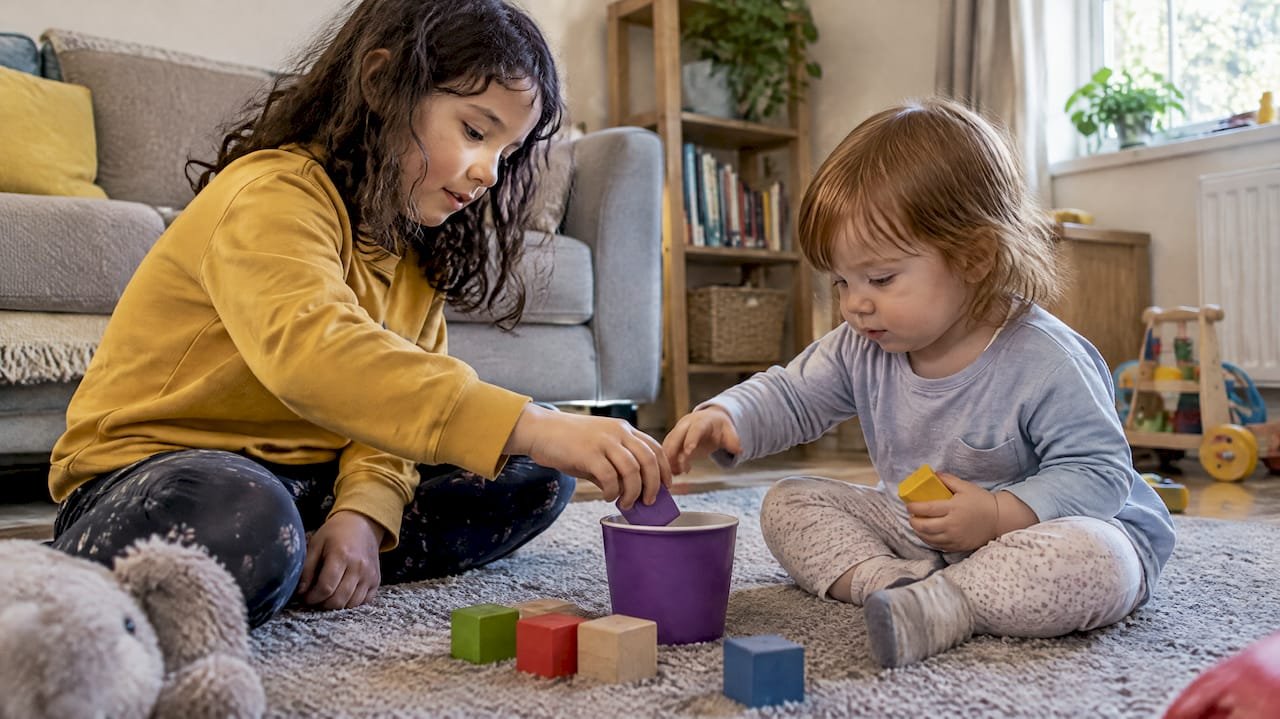
If you have more than one young child, counting during cleanup works especially well as a group activity. Assign each child a pile of toys and count together as everything goes back in the bin. Siblings also enjoy counting fingerplays together, since songs like “Five Little Ducks” naturally invite a second voice. If siblings are close in age, keep rounds short so the younger one doesn’t lose interest while waiting, and let the older child help narrate rather than take over entirely.
8. Adapting counting games for different learning styles and needs
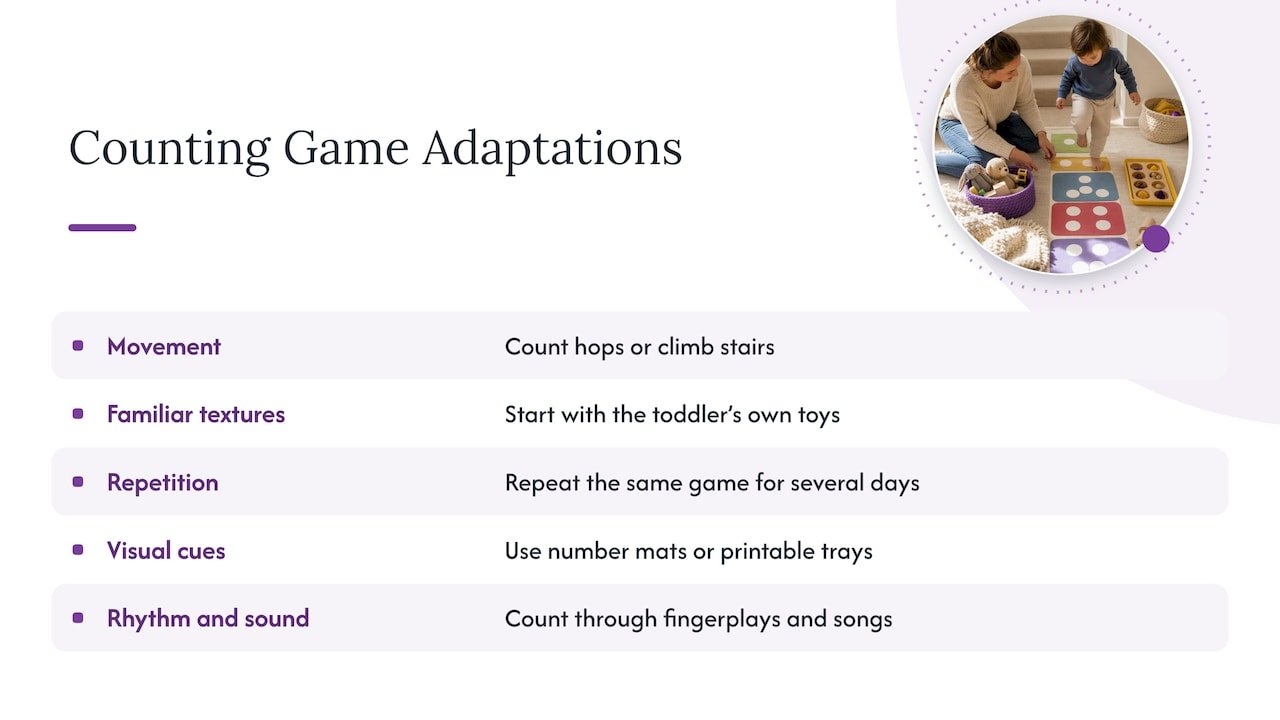
Not every toddler engages with counting the same way, so a little flexibility goes a long way. A toddler who loves movement may respond better to counting hops or stair climbing than to sitting with a tray of buttons, while a toddler who prefers quiet, focused play might engage more with a sorting tray or a cup-fill race.
For toddlers who find new textures challenging, start with familiar objects like their own toys before introducing pebbles or buttons. For toddlers who need extra repetition to build a skill, repeat the exact same game for several days in a row rather than rotating activities, since the familiarity itself supports learning. Visual learners often benefit from laminated number mats or printable trays, while toddlers who respond well to rhythm and sound may pick up counting faster through fingerplays and songs.
If a toddler has additional developmental needs, the same principles apply: keep sessions brief, use concrete objects, and follow their lead on pacing. Our activities for toddlers with Down syndrome and autism activity ideas use this same approach, adapted for different sensory and developmental needs.
A quick word from our author
We’ve watched enough toddlers lose interest mid-count to know that enthusiasm matters more than accuracy. Our favorite trick: count anything twice, once forward, once backward. It turns a simple task into a tiny game, and toddlers almost always ask for a third round.
— samit
Make counting part of your everyday play with Mooshie
We know finding five spare minutes and a fresh idea isn’t always easy, which is why Mooshie suggests quick, age-tailored counting activities using things already in your home, no extra purchases, no screen time for your toddler.
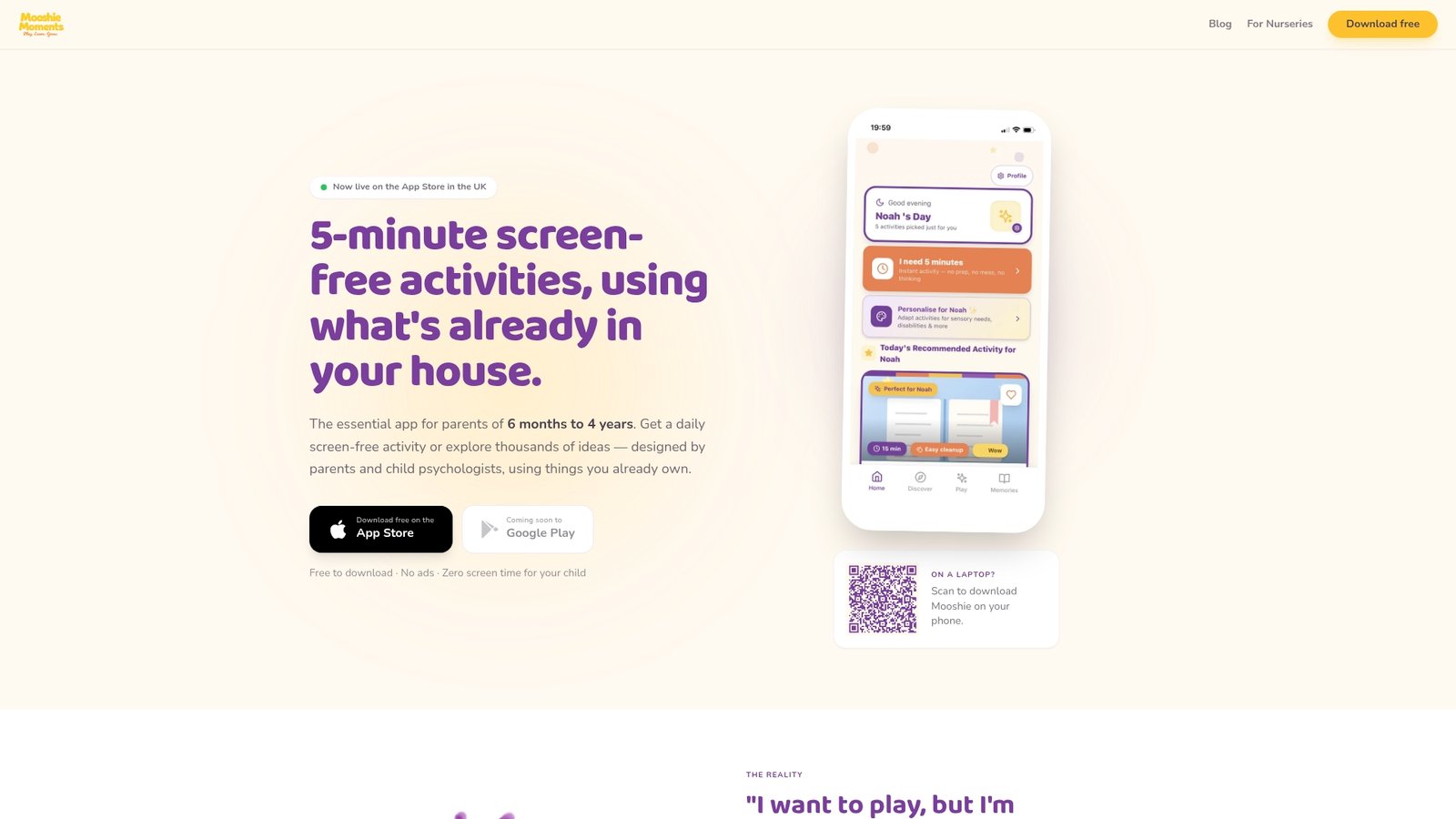
- Every activity comes with a plain-language explanation of what it builds developmentally.
- Suggestions adjust to your child’s age and how much time you actually have.
Explore more grouped activities by age and skill on our low prep toddler activities page, or get started at Mooshie.
FAQ
What age should toddlers start counting games?
Toddlers can start hearing number words during everyday routines from around 12 to 18 months, even before they count accurately. By 18 to 24 months, many begin matching one object to one number word with simple games.
How long should a counting activity last for a toddler?
Five to ten minutes is generally enough to match a toddler’s attention span during a focused counting session. Shorter, more frequent sessions tend to work better than one long sitting.
Should I correct my toddler every time they count wrong?
Not every time. Research on early number understanding suggests celebrating effort and modeling correct counting in the next round works better than correcting every mistake, since constant correction can make counting feel stressful.
Are digital counting games helpful for toddlers?
Simple, short digital games with minimal ads can supplement hands-on counting, but they work best alongside adult co-play rather than as a substitute for it. Hands-on games with real objects remain the more effective starting point for building number sense.
What is the difference between one-to-one correspondence and cardinality?
One-to-one correspondence means touching or pointing to one object for each number word said. Cardinality is understanding that the last number said when counting represents the total quantity, a skill that typically develops after correspondence is solid.
Sources
- Help for early years providers — Mathematics: numbers
- EEF — Teaching the association between number and quantity
- Harvard Center on the Developing Child — Brain building through play
Recommended
- UK Parents: Low Prep Toddler Activities by Skill Area in 2–15 Minutes
- Ten Minutes: Screen Free Outdoor Activities for UK Toddlers
- Five Minutes to Play: 10 Color Sorting Activities for UK Toddlers
- 10 EYFS Backed Sock Games for Toddlers Under Five Minutes
Want a new idea every day, matched to your child's age?
Mooshie Moments gives you simple, guided play ideas for ages 6 months to 4 years.
Download free on the App StoreMore like this
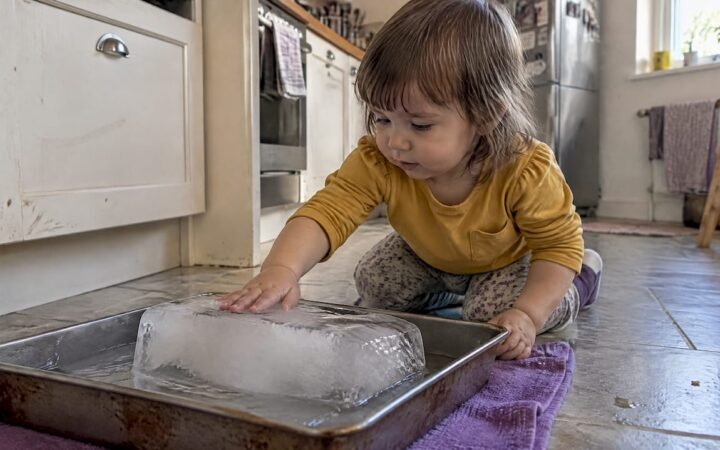
Ice Play Activities for Toddlers: 12 Easy, Safe Ideas
Simple ice play activities for toddlers using things you already have at home, with safety tips for choking and cold, plus ideas…
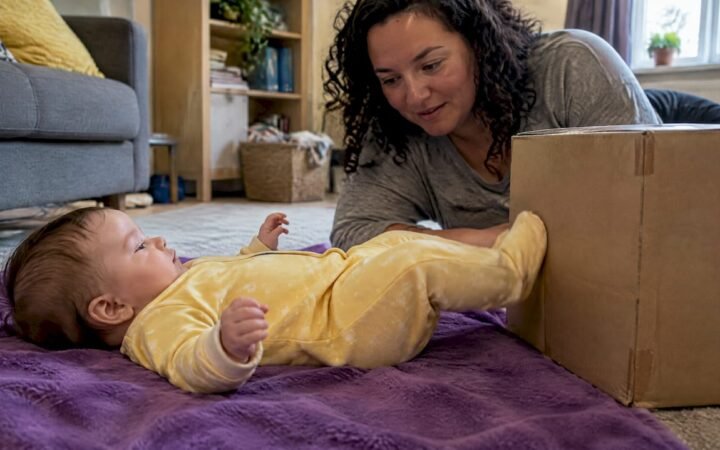
Cardboard Box Toddler Activities: 12 Ideas by Age
Twelve cardboard box activities for babies and toddlers, sorted by age, with safe prep tips and ideas for tubes too. No shopping,…
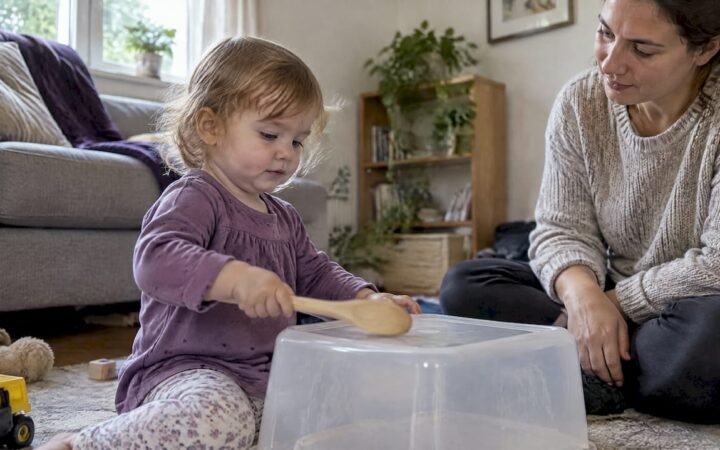
Best Boredom Busters for Toddlers: Easy, Screen-Free Ideas
Screen-free boredom busters for toddlers using things you already own: quick ideas by time and energy, set-up tips and honest advice for…