Seated and Wheelchair-Friendly Activities for Toddlers

ADDITIONAL NEEDS · 6 MONTHS TO 4 YEARS

Seated and Wheelchair-Friendly Activities for Toddlers

Seated and wheelchair-friendly activities for toddlers, with a tray set-up guide plus science, art, music and story ideas that bring play to the child.

  • Free to download
  • No account needed
  • No screen time for your child
QR code to download Mooshie MomentsOn a laptop?
Scan to get Mooshie on your iPhone.
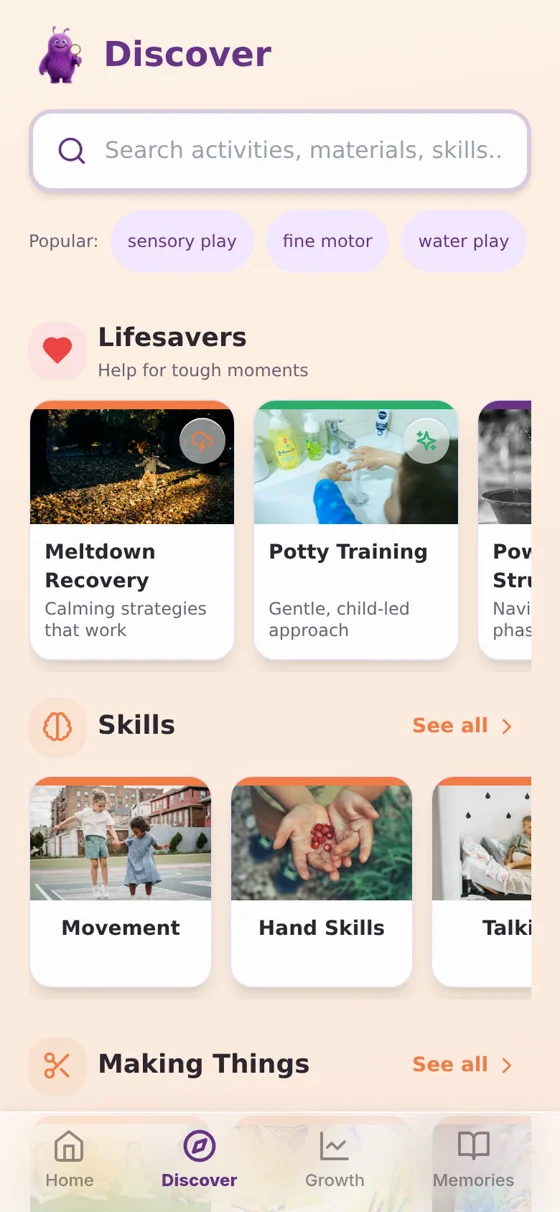
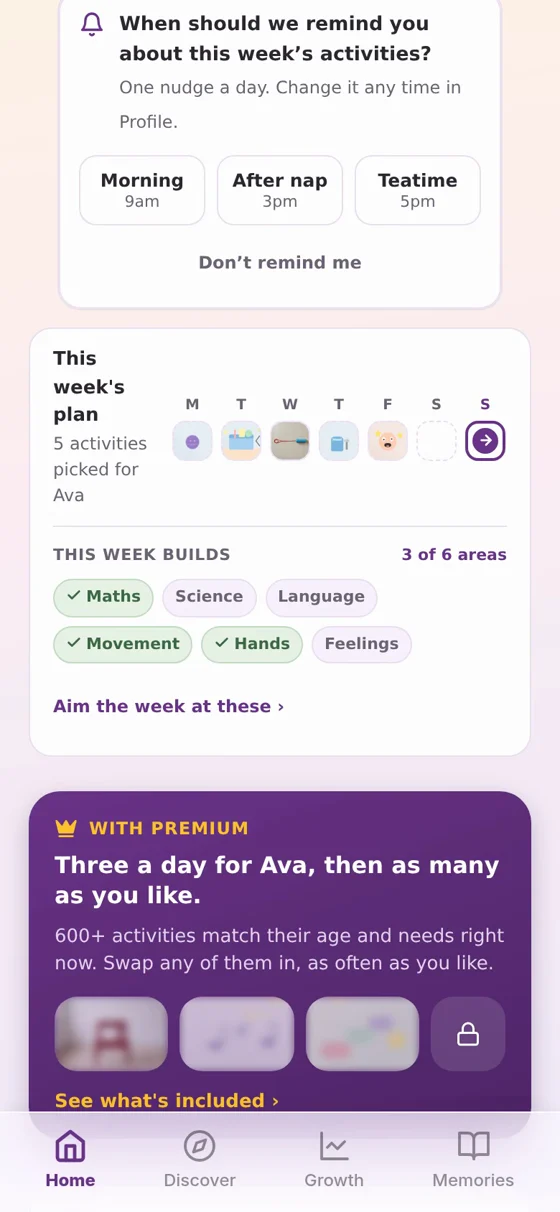
Mooshie Discover screen with Lifesavers for meltdowns and potty trainingThis week's plan showing five activities and the areas they build
5,918activities, adapted to your child
13additional needs you can add
Filteredwhat won’t suit them is left out
0child details uploaded, ever

Seated and wheelchair-friendly activities for toddlers work because the game comes to the child, rather than expecting the child to come to the game. A tray at the right height, materials within arm’s reach, and a bit of thought about what “moving” can look like from a seated position turns most standard toddler play into something fully accessible.

Below are ten activities from the Mooshie Moments app for children aged 6 months to 4 years, all designed for a wheelchair, high chair or supported seat with a lap tray. Each uses ordinary household things, takes about 10 minutes, and comes with the exact words to say as you play.

Setting up before you start

A few minutes on the set-up saves a lot of frustration once play begins:

Get the tray height right.

Materials should sit at a comfortable reach, not so far forward that your child has to strain, and not so close that their view is blocked.

Bring everything within arm’s reach before you start.

Having to ask for something mid-activity breaks the flow far more for a seated child than a standing one.

Secure anything that could slide or tip.

A damp cloth under a bowl, or a shallow tray with a lip, stops a good activity ending early in a spill.

Celebrate what they can do, not what they can’t.

A child in a wheelchair can paint, build, experiment and make music; the adaptation is in the set-up, not in lowering your expectations.

Science and building from a tray

2 to 310 minutes

1. Ramp Race

You’ll need: a cushion, a piece of cardboard or thin board, 3 to 4 toy cars, a small tray to catch them

How to play
  1. Prop the cardboard against a cushion on their tray to make a simple ramp.
  2. Place a car at the top and let go together, saying “zoom!” as it rolls down.
  3. Hand your child a car for their own turn and pause to watch their face before it’s released.
  4. Ask “faster or slower this time?” and adjust the angle of the ramp together.
Say this: “Watch it zoom!” · “Your turn, put a car up there!” · “Did you see it race?”
6 to 12 months10 minutes

2. Knock the Foam Tower

Stack the blocks loosely on the tray and place your child’s hand near the tower: “can you knock it?” Their reach, bat or lean, not your hands, is what topples it, so the win genuinely belongs to them. Rebuild it four or five times, leaning one block precariously for an easier knock on the rounds where their reach is tired.

You’ll need: 3 to 4 soft foam blocks

3 to 410 minutes

3. Cup and Object Memory

Turn the cups upside down and hide a different object under each while your child watches, naming the colour as you go. Swap two cups round slowly and ask “where’s the car now?” Once they’ve had a few goes finding your hidden objects, let them hide one for you, and get one wrong on purpose so they can correct you.

You’ll need: 3 to 4 coloured cups, small household objects in matching colours

Art and sensory play on a lap tray

3 to 410 minutes

4. Press and Pop

Roll the dough flat on the tray and hand over a large cutter: “push it down as hard as you can”. The pressing motion builds hand strength without needing a strong pincer grip, and lifting the cutter to reveal the shape is a satisfying moment worth pausing on each time. Five or six presses across different cutters is a good session.

You’ll need: playdough, 3 to 4 large cookie cutters, a rolling pin

6 to 12 months10 minutes

5. Splash and Slap

Slap the water with your whole hand so it sprays, saying “splash, look, water flies”, then wait and watch to see if your baby reaches or bats at the surface themselves. Every splash they make is proof that their own hand caused something to happen, which is exactly the kind of agency seated play needs to build in deliberately.

You’ll need: a shallow pan, an inch or two of water, a towel

Music and stories

2 to 310 minutes

6. Lap Drum

Sit the drum securely on their lap and tap it once: “listen, tap, your turn!” Let your child set the pace entirely, fast, slow or random, and sit back to enjoy it rather than directing the rhythm. There’s no wrong way to play a drum they’re in full control of.

You’ll need: a metal pot, wooden bowl or plastic bucket, a wooden spoon or soft mallet

1 to 210 minutes

7. Spoon and Pot Music

Place the pot on the floor or tray in front of them and hand over the spoon: “hit the pot, make a sound!” Each tap rings out immediately, and the surprise of that first “did you hear that?” often turns into minutes of happy, repeated tapping. Clap along at their pace rather than trying to set your own.

You’ll need: a wooden spoon, an upturned metal pot

2 to 310 minutes

8. Felt Story Swap

Stick a few animals loosely on the board and start a simple story, giving one a voice: “hello, friends!” Then stop and ask “who talks next? Point to one!” Your child directs the story from their tray, choosing the speaker while you supply the voices, which puts them fully in charge of where the story goes.

You’ll need: a felt board or velcro-backed fabric, 3 to 4 felt animal shapes

Turning movement games into a seated version

2 to 310 minutes

9. Roll It Back

Sit facing your child and roll the ball gently towards them, waiting patiently for them to reach, bat or push it back at their own pace. Celebrate any contact at all, “you touched it, you pushed it back”, rather than waiting for a clean catch. If you use a balloon, stop and clear up the moment it looks worn, since burst balloon pieces are a choking risk.

You’ll need: a soft ball or balloon

6 to 12 months10 minutes

10. Clap and Wait

Clap once, slowly, then hold a proper pause and wait for any sound or movement back from your baby, a coo, a babble, a hand movement. Clap again the moment they respond: “yes, your turn, I heard you.” This is a seated stand-in for the back-and-forth chasing games a mobile toddler might play, built entirely from turn-taking rather than movement.

You’ll need: nothing but your hands

All 5,918 activities adapt to your child.

Add their needs once. Mooshie leaves out what won’t work and adds tips where they help.

LOVED BY FAMILIES

Parents and experts on Mooshie

“I used to spend 30 minutes looking for an activity on Pinterest, get overwhelmed, and just turn on the TV. Mooshie takes 5 seconds.”
Sarah J.Mum of a 2-year-old
“Finally, an app that tells me to put my phone away. The activities are actually doable with stuff I have in my junk drawer.”
Mark D.Dad of two
“As a pediatric OT, I love that these activities build core developmental skills without feeling like ‘homework’ for parents.”
Dr Emily R.Paediatric occupational therapist
HOW MOOSHIE HELPS

How Mooshie adapts activities for wheelchair users

Adding wheelchair use as an additional need in the app changes what’s shown, not just what’s said:

  • Running, jumping and climbing activities are filtered out, and seated tabletop alternatives are offered instead, so you’re not left adapting a game on the fly.
  • Adaptation tips appear where they help, focused on tray height, reach and bringing materials to your child rather than the other way round.
  • The full library of 5,918 activities, filtered and adjusted for a child who uses a wheelchair.
  • Everything stays private. Any needs you add are kept on your device, never uploaded.

The app is for you, not your child. Check an idea in around 30 seconds and put the phone down to play.

Questions parents ask

What height should the tray be?

Roughly level with the middle of your child’s chest, close enough that they don’t have to lean or stretch to reach materials. A slightly-too-low tray is usually easier to work with than one that’s too high.

How do I adapt a running or jumping game for a wheelchair?

Swap the leg movement for arms, hands or head: a chase game becomes a rolling-ball exchange, a jumping song becomes a seated bounce with arms up. The rhythm and turn-taking of the original game usually survive the switch even when the movement changes completely.

Can these activities also work for a child with a walking aid?

Yes. Most of them work equally well seated or standing with support, and several, like the felt story and lap drum, don’t involve movement at all.

Are these activities also suitable for cerebral palsy?

Many are. See our activities for children with cerebral palsy for ideas grouped by grip, pacing and fatigue as well as seating.

Is Mooshie a therapy app?

No. Mooshie is an app of play ideas for parents. It isn’t a treatment and doesn’t replace your child’s physio, OT, GP or health visitor.

Mooshie is a play app, not medical advice. If you’re worried about your child’s development, speak to your health visitor or GP.

Make memories. Build skills. Play together.

Your first moment is ready as soon as you tell us their age.

Mooshie MomentsFree on iPhone
Get it free