
40+ Quiet Time Activities for UK Toddlers, Low Prep & Research Backed
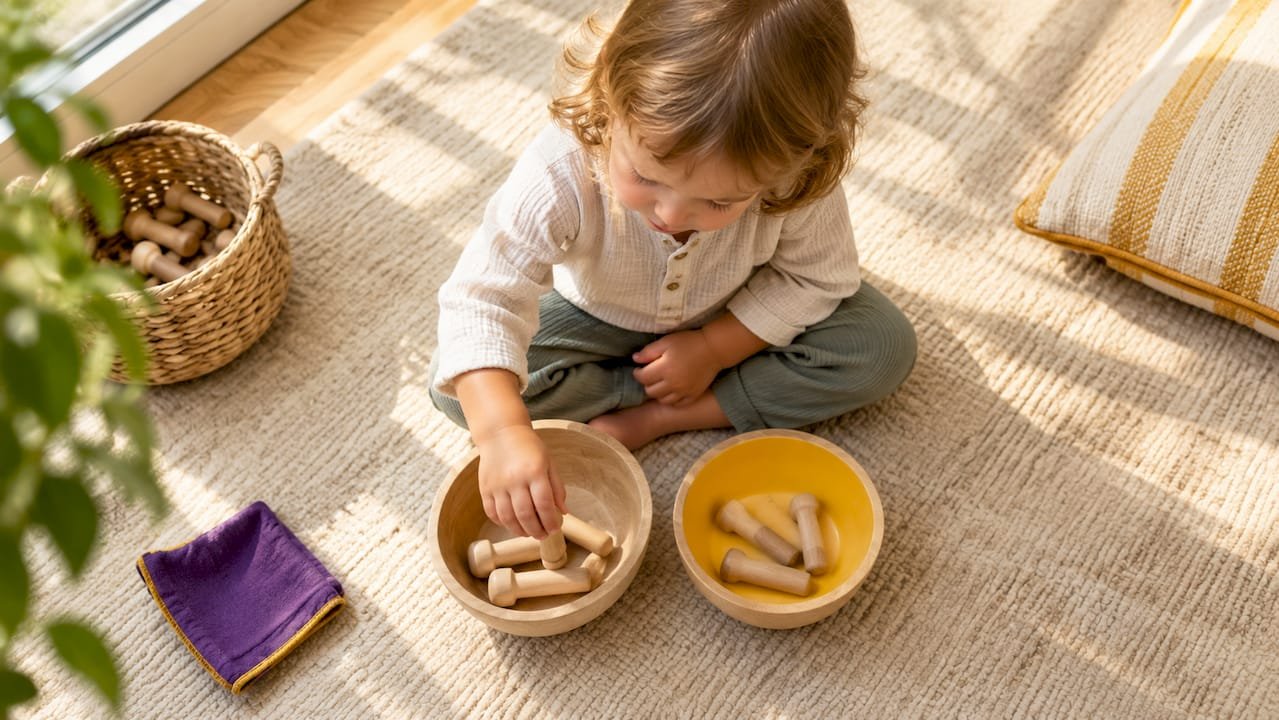
The most reliable quiet time approach is a short, predictable routine paired with two or three screen-free, low-stimulation activities stored in one dedicated basket. Toddlers settle faster when choices are limited and the cue to start is always the same. Fine motor practice, sensory play, and quiet books rotate well in this setup, and apps like Mooshie Moments can help you pull activity ideas together fast. Below, you’ll find easy activities to try today and a simple setup plan to make it stick.
TL;DR:
- Short, predictable routines with limited activity choices help toddlers settle faster and reduce overstimulation during quiet time.
- Activities like board books, sensory bottles, and sticker sheets are effective from 12 months to 2 years, especially when kept simple and with fewer pieces.
- Rotating a broad range of over 40 ideas across categories ensures variety, prevents boredom, and maintains engagement over an extended period.
- Focusing on a consistent setup, using visual timers, and gradually increasing duration support long-term success of quiet time routines.
- Safety measures such as choosing large toys, sealing sensory items, and removing small choking hazards are critical for safe independent quiet activities.
Table of Contents
- What are the best quiet time activities for toddlers?
- 40+ low-prep, screen-free activities by category
- How to set up a quiet time routine that actually sticks
- Safety checklist before you leave the room
- Why age-tailored quiet activities actually work
- A realistic parent perspective: small wins add up
- How quiet time planning can be made easier
- Sources
- FAQ
What are the best quiet time activities for toddlers?
These eight ideas work because they ask almost nothing of you once they’re set up, and each one gives a toddler something to do with their hands instead of their voice.
- Board books in a basket. Flip-through picture books, no reading required from you, work from around 12 months. Swap in two new titles weekly so nothing gets stale.
- Audio stories on a simple player. A narrated story delivers the calming effect of being read to without a screen in sight, which keeps quiet time genuinely screen-free. Suitable from 18 months with a player that has one or two buttons only.
- Sealed sensory bottle. Water, glitter, and a few beads in a bottle with a glued lid gives a hypnotic, shake-and-watch activity. Works from 18 months once the lid is fully secured against mouthing.
- Sticker sheets on paper. Peeling and placing stickers builds fine motor control and holds attention for a solid stretch. Good from 2 years; keep the sheet to one page so cleanup stays simple.
- Chunky puzzle with 4 to 6 pieces. Big-knob wooden puzzles suit toddlers from 18 months and quiet down fast if you drop the piece count to just a handful.
- Squish bag. Hair gel or shaving foam sealed inside a heavy freezer bag turns into a mess-free squeeze pad. From 2 years, and taping the top edge stops any curious fingers from opening it.
- Sorting cups and pom poms. Matching colors or sizes into cups is repetitive and calming, and works from around 20 months with larger pom poms to avoid mouthing risk.
- Sponge squeeze water bin. A shallow tray, a cup of water, and two sponges create a repetitive, calming water activity that often holds attention for 10 to 30 minutes. Suitable from 2 years with a towel underneath.
To quiet any of these further, cut the piece count in half. Fewer stickers, fewer puzzle pieces, one sponge instead of two. Less choice, less noise.
40+ low-prep, screen-free activities by category
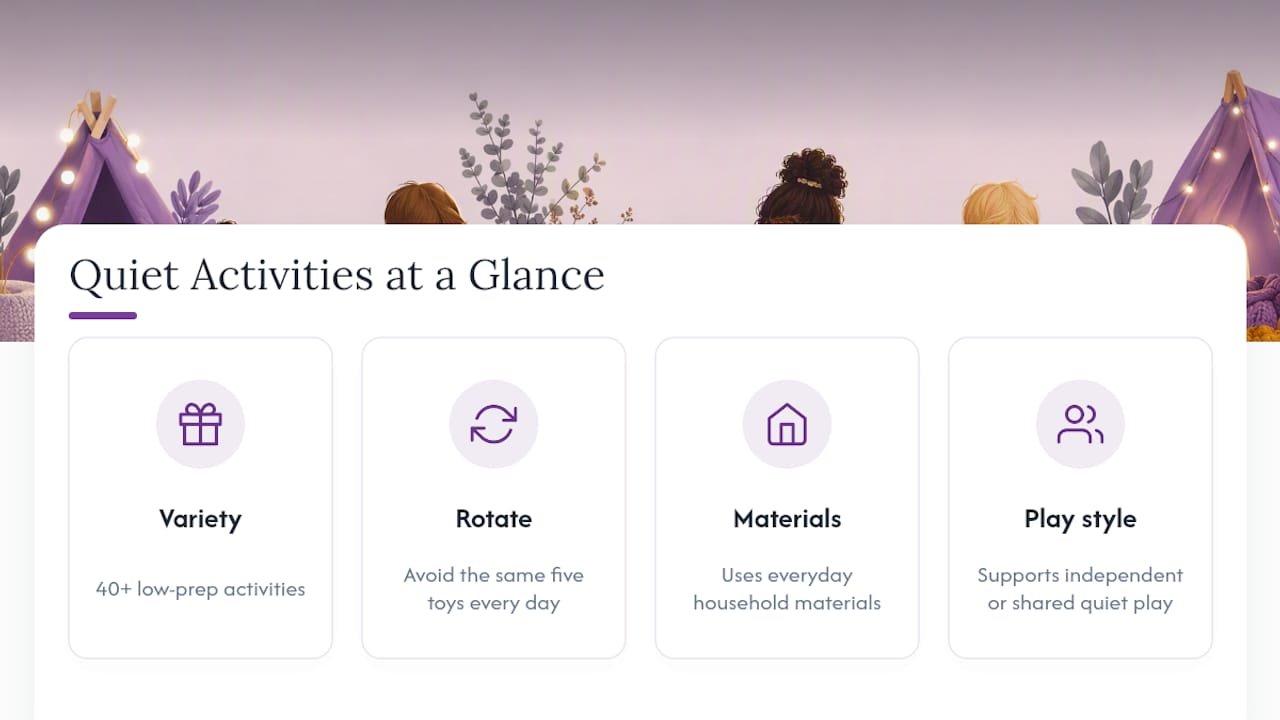
A single quiet time basket gets stale fast if it’s the same five toys every day. Building out a real catalog by category means you can rotate without scrambling for new ideas each week, and a broad list of 40 or more activities gives you enough variety to last a season.
Reading and audio
- Board books, 0 to 5 minutes prep, 12 months and up, quieted by limiting to one book at a time.
- Audio story player, 0 to 5 minutes prep, 18 months and up, quieted by using headphones-off low volume rather than earbuds.
- Family photo album, 0 to 5 minutes prep, 2 years and up, quieted by removing loose photos that could be pulled out.
- Picture flashcards in a ring, 5 minutes prep, 2 years and up, quieted by capping the set at ten cards.
Fine motor practice
- Lacing cards with a shoelace, 5 minutes prep, 2 years and up, quieted by using a thicker cord that’s harder to tangle.
- Clothespins clipped to a paper plate rim, 5 minutes prep, 2 years and up, quieted by using only 4 to 6 pegs.
- Chunky puzzle, 0 to 5 minutes prep, 18 months and up, quieted by dropping to a 4-piece set.
- Threading pasta onto pipe cleaners, 5 to 15 minutes prep, 2.5 years and up, quieted by pre-threading half the pieces yourself.
- Play dough with a single cutter, 5 minutes prep, 2 years and up, quieted by offering only one color at a time.
Sensory bins and bottles
- Sealed sensory bottle, 5 to 15 minutes prep, 18 months and up, quieted by using fewer floating objects so it settles slower.
- Rice or oat scoop bin, 5 minutes prep, 2 years and up, quieted by swapping in a smaller container and one scoop.
- Scent-based sensory containers with cotton balls dabbed in vanilla or lavender, 5 minutes prep, 2.5 years and up, quieted by modeling the sniff-and-guess game once before you leave the room.
- Squish bag with hair gel, 5 minutes prep, 2 years and up, quieted by taping every edge shut.
- Sponge squeeze water bin, prep takes a few minutes, suitable for toddlers from about age 2, quieted by using a smaller tray with less water.
Creative, low mess
- Sticker sheet on paper, 0 to 5 minutes prep, 2 years and up, quieted by pre-peeling a few stickers to loosen them.
- Water “painting” on a chalkboard slate, 5 minutes prep, 2 years and up, quieted by using a small cup instead of a full pot of water.
- Washi tape on a cardboard box, 5 minutes prep, 2 years and up, quieted by pre-cutting a few starter strips.
- Chunky crayons and a coloring pad, 0 to 5 minutes prep, 18 months and up, quieted by offering just two colors.
Sorting and matching
- Pom pom color sorting into egg cartons, 5 minutes prep, 20 months and up, quieted by using 3 colors instead of 6.
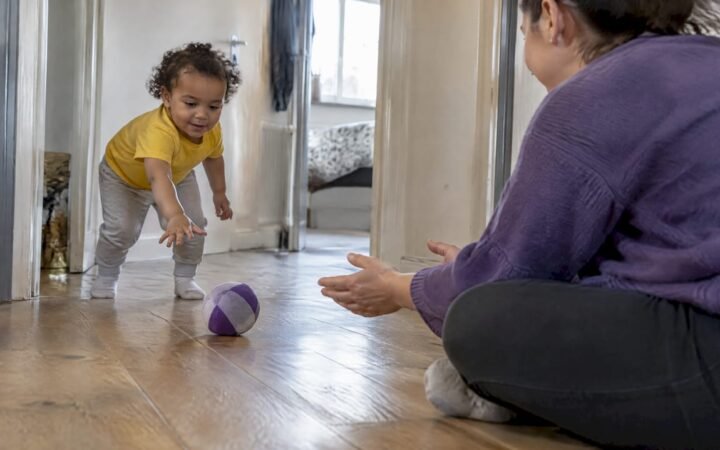
- Sock matching from the laundry basket, 0 to 5 minutes prep, 2 years and up, quieted by using only 4 pairs.
- Shape sorter, 0 to 5 minutes prep, 18 months and up, quieted by removing pieces the child hasn’t mastered yet.
Quiet building and stacking
- Wooden block stacking, 0 to 5 minutes prep, 18 months and up, quieted by capping the set at 6 blocks.
- Cup stacking with nesting cups, 0 to 5 minutes prep, 12 months and up, quieted by removing the smallest cup that tends to get thrown.
- Soft foam brick building, 5 minutes prep, 2 years and up, quieted by using half the usual brick count.
Tactile calming and busy bags
- Sponge squeeze in a shallow bowl, 5 minutes prep, 2 years and up, quieted by using one sponge only.
- Fabric texture busy bag with felt squares, 5 minutes prep, 2 years and up, quieted by limiting to 3 textures.
- Bubble wrap popping sheet taped to cardboard, 0 to 5 minutes prep, 2 years and up, quieted by cutting the sheet in half.
- Zipper and buckle busy board, 5 to 15 minutes prep, 2.5 years and up, quieted by covering half the board with fabric so only one buckle shows.
The trick that makes any of this sustainable long term is a rotation system built around a labeled quiet basket, swapping in just one or two fresh items a day so nothing feels stale but nothing overwhelms either. Cap the choices at two or three per session. More than that, and a toddler spends quiet time deciding instead of playing.
How to set up a quiet time routine that actually sticks
Start small. If your toddler is transitioning out of naps, build up from roughly 10 minutes and add a few minutes every few days rather than expecting 30 minutes on day one.
- Pick one consistent spot, a corner of the living room or a spot on their bedroom floor, and use it every time so the location itself becomes a cue.
- Add a visual timer toddlers can watch count down. It removes the need for them to ask “is it over yet?” every five minutes.
- Do a five-minute wind-down first, a cuddle, a quick chat, or one song, so quiet time doesn’t feel like an abrupt cutoff from your attention.
- Offer only two or three activities, laid out before you start, so there’s no negotiation once the timer begins.
- Use the same phrase every time, something like “quiet basket time,” so the toddler learns the pattern by ear as much as by sight.
- Troubleshoot refusal to settle by shortening the session back down for a few days, then rebuilding slowly rather than pushing through resistance.
- Troubleshoot loud or physical play by swapping in a more repetitive, tactile item like a sponge squeeze bin, which tends to calm energy better than building toys.
- Troubleshoot screen requests by keeping quiet time materials in the same basket every day, so the child associates that basket with the activity, not a device.
A sample afternoon might look like lunch, a 5-minute wind-down chat, then 15 to 20 minutes of quiet basket time while you fold laundry nearby, followed by a five-minute check-in before wrapping up.
Safety checklist before you leave the room
Toddlers under 3 mouth things, so choking risk drives every decision here. Choose large-piece toys, avoid loose beads or small buttons, and skip anything under 1.75 inches across.
- Glue or tape sensory bottle lids shut, don’t rely on the screw cap alone.
- Keep sensory items sealed or use taste-safe fillers if there’s any doubt a toddler will chew through a bag.
- Check for loose cords, blind pulls, or trailing cables in the quiet time spot before you step away.
- Store rotated activities in a bin out of reach so a toddler can’t dump every option at once.
- Do a 30-second scan of the space each time, same spot, same setup, so nothing new has been added since yesterday.
For toddlers who mouth almost everything, a taste-safe sensory play approach is worth building into the rotation instead of standard sensory fillers.
Why age-tailored quiet activities actually work
Short, age-matched activities give toddlers a manageable task and a clear stopping point, which supports concentration and builds independence over repeated practice. Some apps suggest activities based on your child’s age and however many minutes you actually have.
Age-tailored, short activities give toddlers just enough challenge to hold their attention without overwhelming them, and repeating that pattern daily is what builds real independent play over weeks, not days.
Pro Tip: Prep three quiet baskets on a Sunday, one labeled Monday/Wednesday/Friday and one for Tuesday/Thursday, so you’re never scrambling mid-week for something new to add.
A realistic parent perspective: small wins add up
Quiet time rarely works on day one, and that’s normal, not a sign you’re doing it wrong. One parent built from a rough 8 minutes to a solid 30 over about six weeks, just by adding a couple of minutes whenever a session went smoothly and pulling back when it didn’t. The goal isn’t a perfect 30 minutes tomorrow. It’s consistency over a month. When you’re exhausted and tempted to hover, try a five-minute check-in instead of a full interruption, a peek in, a quiet “doing great,” and back out. That’s usually enough to reset both of you without breaking the routine you’re building.
— samit
How quiet time planning can be made easier
Certain apps offer screen-free activity suggestions matched to your toddler’s age and however many minutes you’ve actually got, built from real household items you already own.
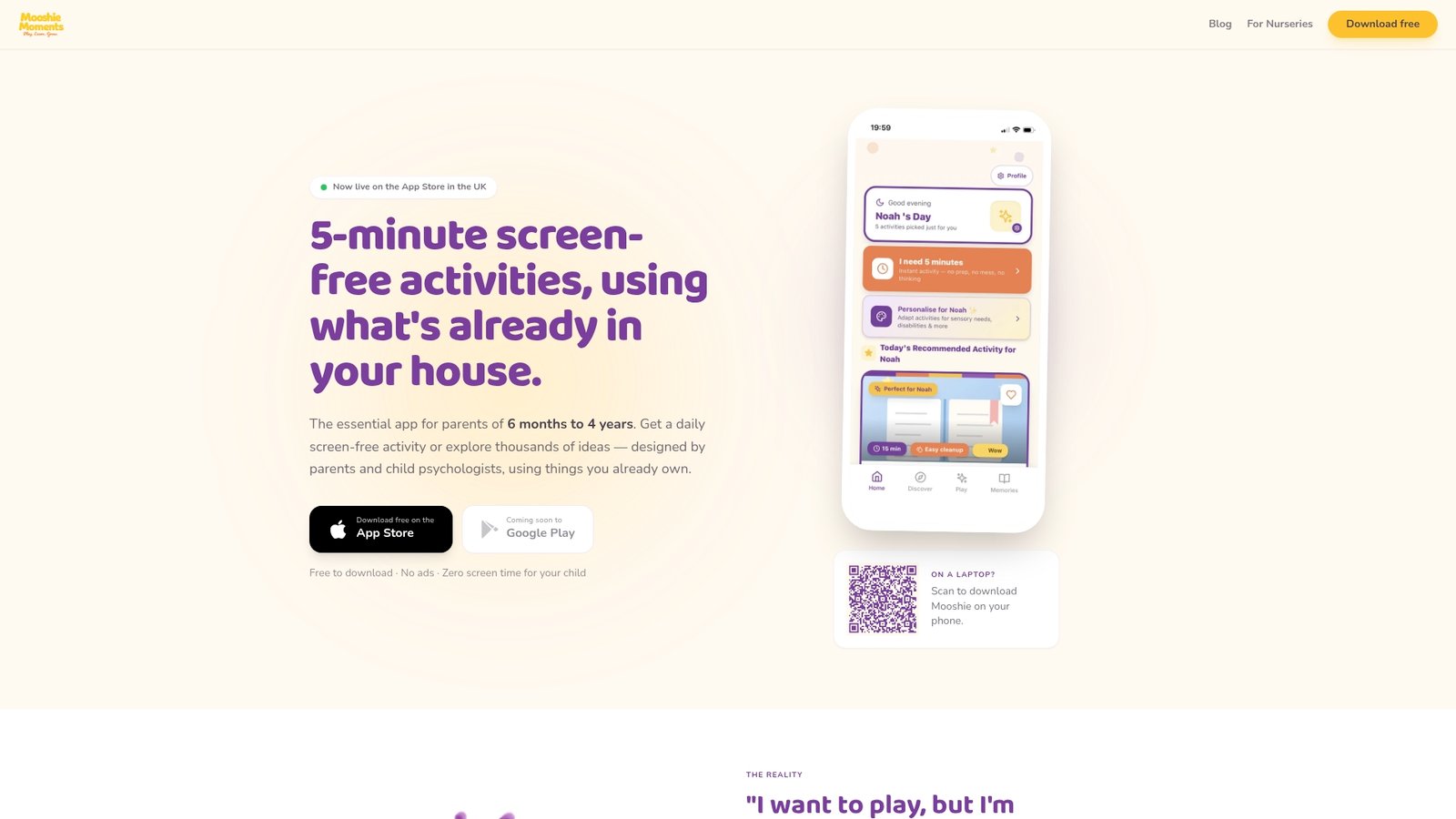
Whether you’re setting up a first basket for a 9-month-old or building out a rotation for an active 2-year-old, the app pulls suggestions instead of leaving you to invent them from scratch at 1pm with a tired toddler underfoot. Grandparents and other caregivers get their own low-prep, seated options too, and nurseries can lean on the research-backed activity plans for structured group sessions. If you want a ready-made pack of ideas rather than building your own catalog from scratch, browse the 2-year-old activity pack or try the free app today to get your first quiet basket sorted before naptime tomorrow.
Sources
- How to Put Together Quiet Time Activities for Toddlers and Preschoolers
- Sponge Squeeze Water Sensory Bin for Toddlers – Happy Toddler Playtime
- 43 Quiet Time Activities for 2 Year Olds – How Wee Learn
FAQ
What is the 3-3-3 rule for toddlers?
Different parenting circles use this phrase differently, so there’s no single agreed definition. In the context of quiet time, a practical version is offering 3 activities, in 3 different categories, for around 3 rotating days before swapping them out.
What are some quiet activities for a 2-year-old?
Board books, chunky puzzles, sticker sheets, sealed sensory bottles, and sponge squeeze water bins all work well at this age. Keep the choice to two or three items and store them in one basket so the routine feels familiar.
How can I set up quiet time for my toddler?
Pick one consistent spot, add a visual timer, do a short wind-down first, and offer only two or three screen-free activities laid out before the timer starts. Building up gradually from around 10 minutes works better than expecting a long stretch immediately.
What are some ideas for quiet time activities?
Reading and audio stories, fine motor tasks like lacing or puzzles, sensory bins, sorting games, and quiet building all make solid options. An app like Mooshie Moments can suggest age-matched picks from this list based on how much time you actually have that day.
Does Mooshie Moments cost anything?
Mooshie Moments is free to download, with premium features available through an in-app subscription. Current pricing details are listed on the app’s own site.
Recommended
- Research Backed Nursery Activity Plans: 3 Daily 5 Minute Slots (UK)
- 40 Fun 2 Year Old Activities to Start Right Now
- 12 Low Prep Toddler Activities for Grandparents With Seated Options
- Junk Modelling for Toddlers: Easy EYFS-Aligned Activities
Want a new idea every day, matched to your child's age?
Mooshie Moments gives you simple, guided play ideas for ages 6 months to 4 years.
Download free on the App StoreMore like this
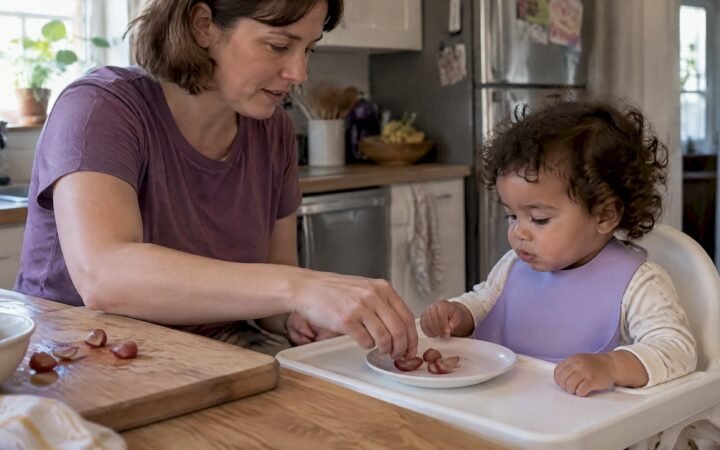
Babysitting Toddlers: 12 Low Prep Ideas and Why They Help
Explore 12 low prep toddler activities for babysitters, with developmental benefits, age adaptations, UK safety advice, and optional activity coaching.
10 EYFS Backed Sock Games for Toddlers Under Five Minutes
Ten EYFS aligned sock games to start in under five minutes, each with a one line developmental benefit, simple adaptations, and two…
Busy Parents: 12 No Prep Shopping Activities for Toddlers
Busy parents: keep toddlers learning and calm at the store with 12 no prep, screen free activities that take under five minutes…