Junk Modelling for Toddlers: Easy EYFS-Aligned Activities
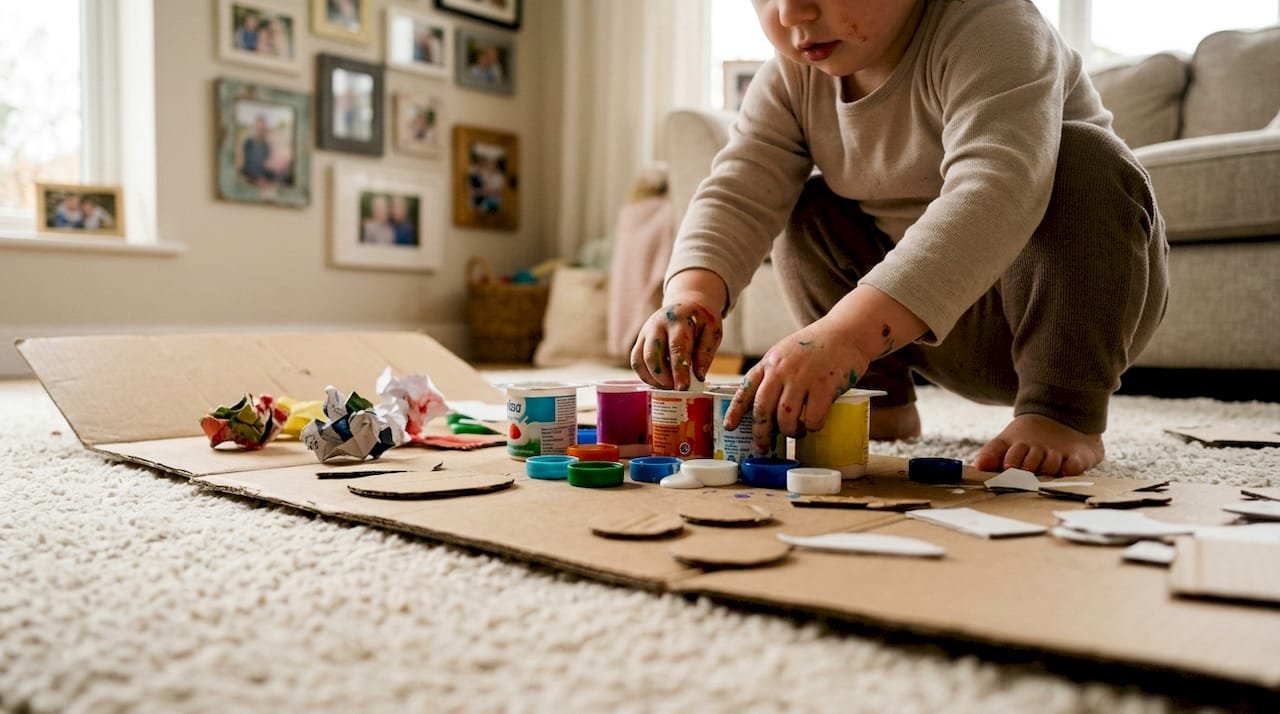
Yes. Junk modelling is a simple, developmentally rich activity toddlers can do right now, using clean household recyclables and a bit of tape. It’s safe, it’s free, and it doesn’t need a Pinterest-worthy plan.
Grab three things from your recycling box: a cardboard tube, an egg carton, and a clean yogurt pot. Give your toddler some tape, a few stickers, and a short amount of time. Let them build a “treasure pot” by decorating the yogurt pot however they like, then tucking a small toy or button inside to hide and find again. That’s it. That’s the whole activity.
- Cardboard tube – rolls, stacks, or becomes a tunnel
- Egg carton – cuts into cups, ridges, or a caterpillar body
- Yogurt pot – the base for a treasure pot, sorted by color or texture
This kind of open-ended play sits squarely inside the UK’s Early Years Foundation Stage framework, and nursery practitioners have been recommending it for years, as Nursery World’s parent guide makes clear.
Key Takeaways
Junk modelling works because it turns ordinary recycling into hands-on practice for EYFS skills, provided adults let the process stay messy and child-led.
| Point | Details |
|---|---|
| Start with three materials | Grab a cardboard tube, egg carton, and yogurt pot for an instant five-minute activity. |
| Prioritize process over product | A wobbly, self-built model teaches more than a neat one an adult finished for them. |
| Check materials before handing them over | Avoid glass, rust, and small loose parts for children under 3. |
| Use open-ended prompts | Ask “Tell me about your model” instead of directing what to build next. |
| Get daily prompts sorted by age | Mooshie Moments delivers screen-free, five-minute activity ideas tailored to your toddler’s age. |
Table of Contents
- What junk modelling builds in toddlers (EYFS-linked benefits)
- Safe, toddler-friendly recycled materials to use
- 10 junk modelling activities for toddlers
- How to guide junk modelling without taking over
- What parents get wrong about “good” junk modelling
- Sources
What junk modelling builds in toddlers (EYFS-linked benefits)
Junk modelling isn’t just a way to use up cereal boxes. It works directly on skills the EYFS framework tracks: expressive arts and design, physical development, communication and language, and understanding the world, according to gov.uk’s EYFS guidance.
The physical benefits show up fast. Snipping through an egg carton builds the same scissor grip toddlers will later use for writing. Fitting a tube inside a box, or trying (and failing) to balance one pot on another, teaches trial and error in a way no worksheet can.
- Expressive arts and design – choosing materials, deciding what to build, inventing a story about it
- Physical development – cutting, taping, twisting, and pinching small pieces
- Communication and language – describing what they’ve made, asking for more tape
- Understanding the world – exploring how different materials bend, stack, and stick
Practitioners consistently point to one rule: focus on the process, not the finished object, as noted by Nursery World. A wobbly, unrecognizable “rocket” that took ten minutes of independent problem solving is worth more developmentally than a neat one you built for them.
Safe, toddler-friendly recycled materials to use
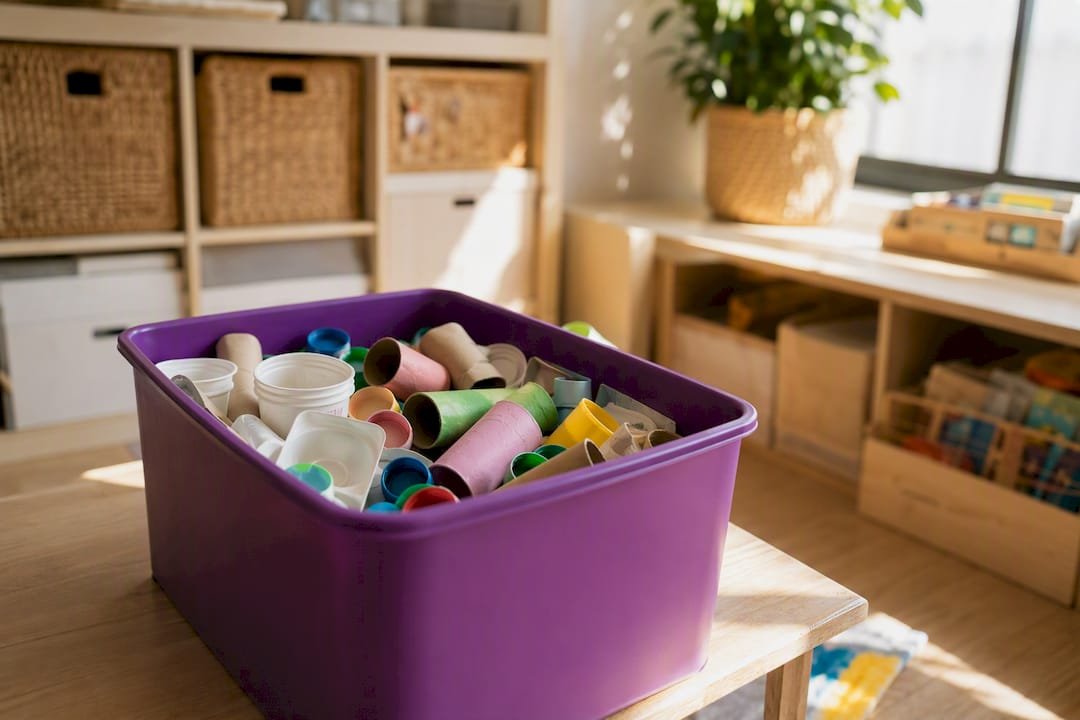
Most of what you’d normally throw away is fair game, once it’s clean and free of sharp edges. Cardboard boxes, egg cartons, toilet rolls, cereal boxes, clean plastic bottles and yogurt pots are all standard picks in nursery settings, according to Nursery World’s materials guidance.
Good to use:
- Cardboard tubes, boxes, and egg cartons
- Clean plastic bottles, pots, and lids
- Bottle caps, fabric scraps, and buttons (supervised, not for under 3s who still mouth objects)
- Corks, shells, and other “loose parts” for texture, once checked for choking hazards
Skip or hand to an adult:
- Anything with glass, rust, or sharp metal edges
- Small items like loose glitter or tiny beads for children under 3
- Staples, drawing pins, or anything that needs a craft knife
Cutting thick cardboard, using a glue gun, or trimming wire are jobs for you, not your toddler. Let them handle child scissors, masking tape, and glue sticks instead.
Pro Tip: Keep a wipe-clean box by the back door specifically for “junk modelling only” recyclables, so you’re never digging through the actual bin looking for a clean yogurt pot.
10 junk modelling activities for toddlers
Each of these takes a short time to set up and works with materials most households already have.
- Treasure pot. Yogurt pot, stickers, small toy. Five minutes. Builds fine motor control and object permanence. Variation: swap the toy for a scrap of fabric to feel.
- Egg carton caterpillar. Egg carton, paint, pipe cleaner. Ten minutes. Builds color recognition and pincer grip. Variation: cut the carton into single cups for younger toddlers.
- Tunnel for cars. Cardboard tube, tape, toy cars. Two minutes. Builds spatial reasoning. Variation: join two tubes for a longer tunnel.
- Bottle-cap sorting board. Flat box, bottle caps, marker. Five minutes. Builds sorting and matching skills. Variation: sort by color instead of size.
- Fabric collage. Cardboard base, glue stick, fabric scraps. Five minutes. Builds sensory exploration. Variation: add textured paper for contrast.
- Junk-modelling faces. Paper plate, bottle caps, wool. Five minutes. Builds understanding of the body and communication. Variation: make a family of faces together.
- Wind sock. Cardboard tube, ribbon, tape. Five minutes. Builds cause and effect (watching it move outside). Variation: use crepe paper instead of ribbon.
- Sticker rocket. Toilet roll, paper cone, stickers. Five minutes. Builds imaginative storytelling. Variation: add a countdown game before “launch.”
- Sensory shells collage. Cardboard base, shells, sand, glue. Ten minutes. Builds tactile awareness. Variation: use pebbles if shells aren’t handy.
- Mini construction site. Boxes, tubes, toy diggers. Five minutes. Builds planning and problem solving. Variation: add a “road” drawn on paper underneath.
For 1 to 2 year olds, keep pieces large, skip small loose parts, and stay hands-on throughout. For 3 to 4 year olds, step back further, let them choose materials themselves, and ask questions instead of directing.
How to guide junk modelling without taking over
The instinct to jump in and “fix” a wobbly tower is strong. Resist it. Try open-ended prompts instead: “Tell me about your model,” or “I wonder how we could join these two pieces?” Nursery World notes that reflective questions like these build vocabulary and narrative skills as children explain their own thinking, based on practitioner guidance.
- Step in only if there’s a safety issue or your toddler asks directly for help.
- Let frustration sit for a minute before offering a suggestion.
- Photograph the finished model, then let it be recycled after a day or two on display.
Pro Tip: If your toddler wants to keep rebuilding the same model over several days, let them. Revisiting a project supports persistence and planning far more than starting fresh each time.
Where to find more EYFS-aligned junk modelling resources
For structured, downloadable plans, Twinkl’s EYFS junk modelling activities offer ready-made templates that mirror what many nurseries use.
- Check the EYFS learning goals directly if you want the official framework language.
- Ask your child’s key worker whether they’d like photos of home projects as learning evidence.
- Twinkl’s packs are a good match if your nursery already uses similar templates.
How Mooshie Moments supports process-led junk modelling at home
Mooshie Moments turns this kind of thinking into ready-made prompts, tailored by age from 6 months to 4 years, built for five-minute windows.
- Activities are screen-free and use items already in your recycling box.
- Nursery partnership packs keep home activities aligned with EYFS practice.
What parents get wrong about “good” junk modelling
The biggest misconception is that a junk model should look like something. Parents often step in to help make it “look right,” and that instinct undoes most of the developmental value in the first place.
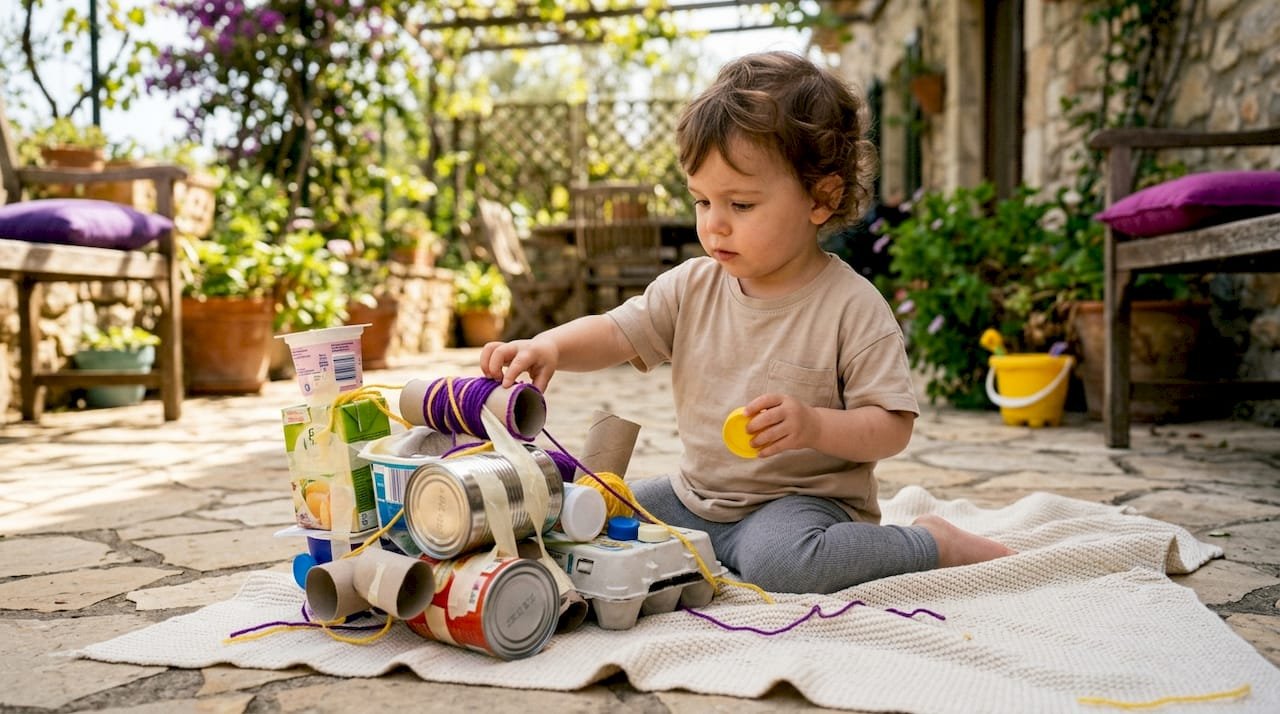
The research is consistent on this point: the mess, the wonky angles, and the models that fall apart halfway through are where the actual learning happens. A toddler who spends four minutes figuring out why the tube won’t balance on the box is doing more problem solving than one who’s handed a finished, adult-built rocket to admire.
Conventional advice tends to overload parents with elaborate craft box lists and Pinterest templates. That’s backwards for toddlers under 4. What actually matters is availability and repetition, not variety. A handful of the same materials, offered regularly with no pressure to produce something specific, beats a one-off elaborate project every time. Prioritize low-stakes, repeatable access over impressive one-time builds, and resist tidying up a “failed” model before your toddler has decided they’re done with it.
— samit
Get five-minute junk modelling prompts sorted by age
Mooshie Moments gives you the process-led encouragement this article recommends, without you having to think up a new activity from scratch every day.
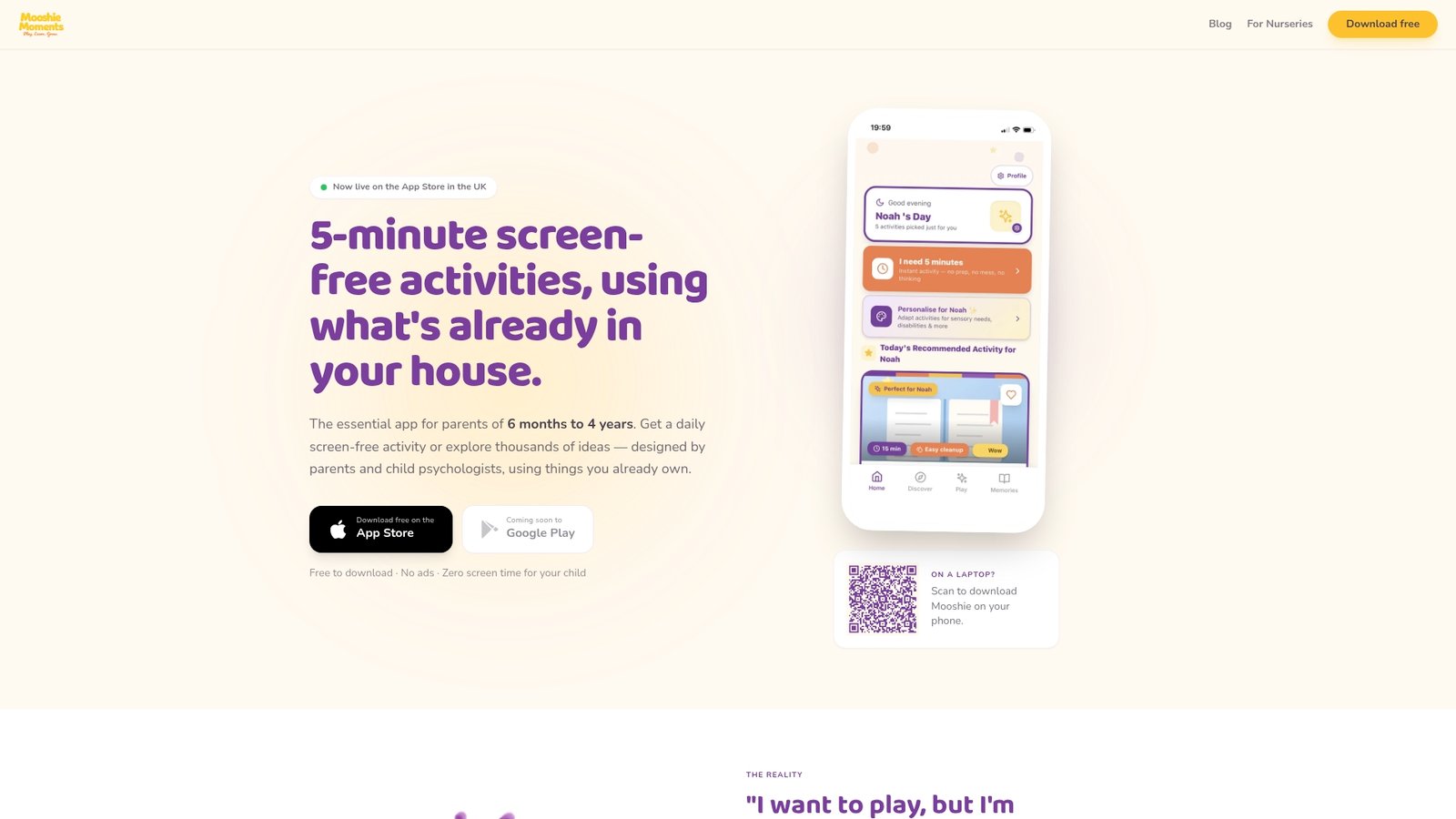
Instead of scrolling for craft inspiration at 4pm with a tired toddler underfoot, open the app and get an activity prompt matched to your child’s age and however many minutes you actually have. If your child attends a nursery, the nursery partnership pages show how home activities can stay consistent with what they’re doing at their setting, using the same EYFS-aligned thinking covered above. Head to the Mooshie Moments landing page to see today’s activity suggestions and start your first five-minute session.
Sources
Recommended
More like this
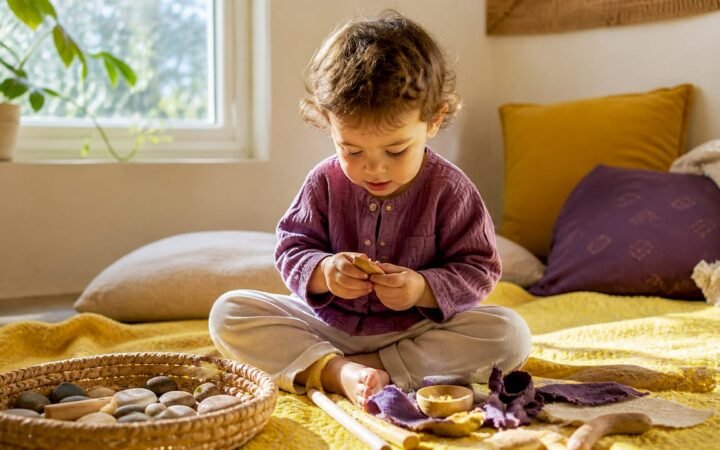
Heuristic Play Ideas: Simple Home Activities That Work
Discover engaging heuristic play ideas to spark your toddler's curiosity using simple household objects. Start exploring today!
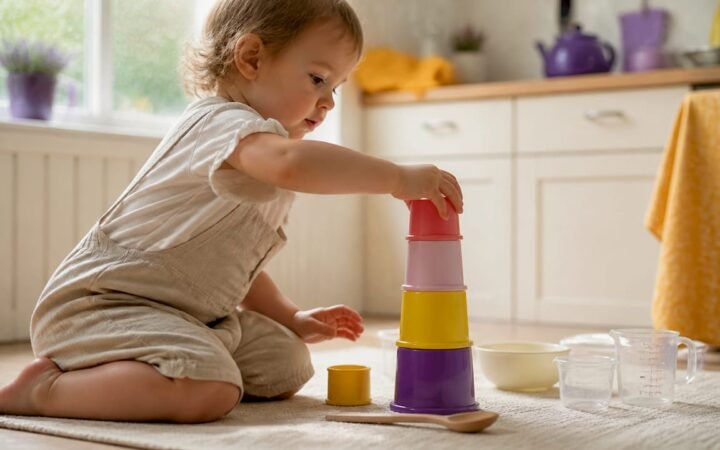
Rainy-Day Fixes: Easy Indoor Activities Toddlers Love
Discover fun indoor activities for toddlers that promote movement, creativity, and learning. Keep your little ones engaged on rainy days!
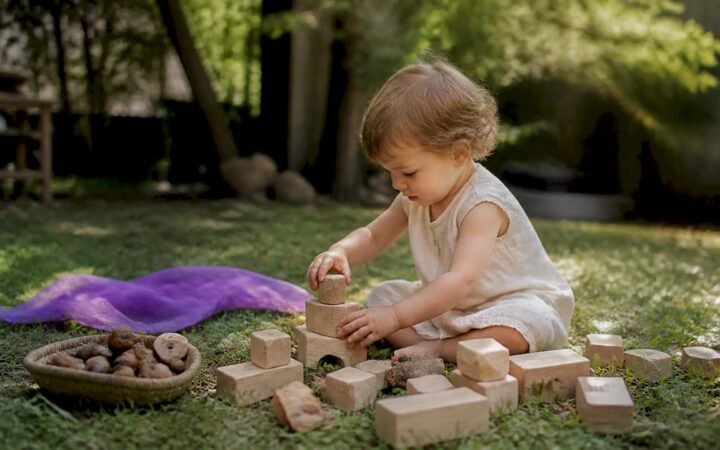
Open-Ended Play for Toddlers: What It Is and Why It Works
Unlock your toddler's creativity with open-ended play! Discover how simple, versatile materials enhance problem-solving and language skills.