
40+ Invitation to Play Ideas for Busy UK Parents and Educators
An invitation to play is a simple, open-ended setup that invites a child to explore without instructions. It works because there’s no “right” way to do it. The most effective invitations take a few minutes to prepare and use things already in your kitchen drawers, which means you can scan the ideas below tonight and set one up before bed.
TL;DR:
- Using simple household items to create open-ended play invitations can effectively extend engagement and foster creativity in children of all ages.
- Most setups can be prepared in five minutes, involve minimal materials, and are adaptable to your child’s developmental stage and interests.
- Supervision should focus on safety, especially with small or food-based items, and should prioritize observation over correction to encourage natural exploration.
- Adjustments for different ages include scaling complexity, adding role-playing prompts, and placing materials at accessible heights to maximize engagement.
- The Mooshie Moments app provides personalized, research-backed play ideas tailored to your child’s age and available time, eliminating planning stress.
Table of Contents
- Invitation to Play Ideas: 40+ Low-Prep Setups You Can Stage Tonight
- How to Make an Invitation to Play: A 5-Minute Method
- Materials and Safety: Loose Parts, Taste-Safe Choices, and Quick Cleanup
- Age-Adapted Invitations for Babies, Toddlers, and Preschoolers
- Why These Ideas Work and How Mooshie Moments Supports Them
- What One Unfinished Block Tower Taught Us About Watching, Not Fixing
- Try Mooshie Moments: Tailored Invitations Without the Planning
- Sources
Invitation to Play Ideas: 40+ Low-Prep Setups You Can Stage Tonight
You don’t need a craft cabinet or a trip to a specialty store. Simple, multi-use items like stones, shells, and recycled containers tend to hold a child’s attention longer than expensive toys with a single function, according to The Imagination Tree. Here’s a working bank of play activity invitations sorted by type, so you can grab whatever fits your five minutes.
Sensory setups
- Ice and pom-poms — Freeze pom-poms in a shallow tray, add a small scoop. Watching color “release” as ice melts builds cause-and-effect thinking.
- Rice and scoops — Fill a bin with dry rice, add measuring cups. Great for fine motor control (use oats instead for mouthing toddlers).
- Water and sponges — A basin, sponges, and cups on a towel. Squeezing water builds hand strength.
- Shaving cream on a tray — Spray directly on a table, let fingers draw. Wipe clean in seconds with a damp cloth.
- Cooked spaghetti with tongs — Cool, oiled noodles plus tongs or chopsticks. Taste-safe and strengthens pincer grip.
Small world scenes
6. Dinosaurs in “mud” — Cocoa powder or coffee grounds, plastic dinosaurs, a spray bottle.
7. Farm animals on a “field” — Green towel, plastic animals, a few twigs as fences.
8. Cars on a taped road — Painter’s tape on the floor, toy cars, a shoebox garage.
Loose parts trays
9. Button and jar lid sort — Large buttons, small bowls, tongs for sorting by color.
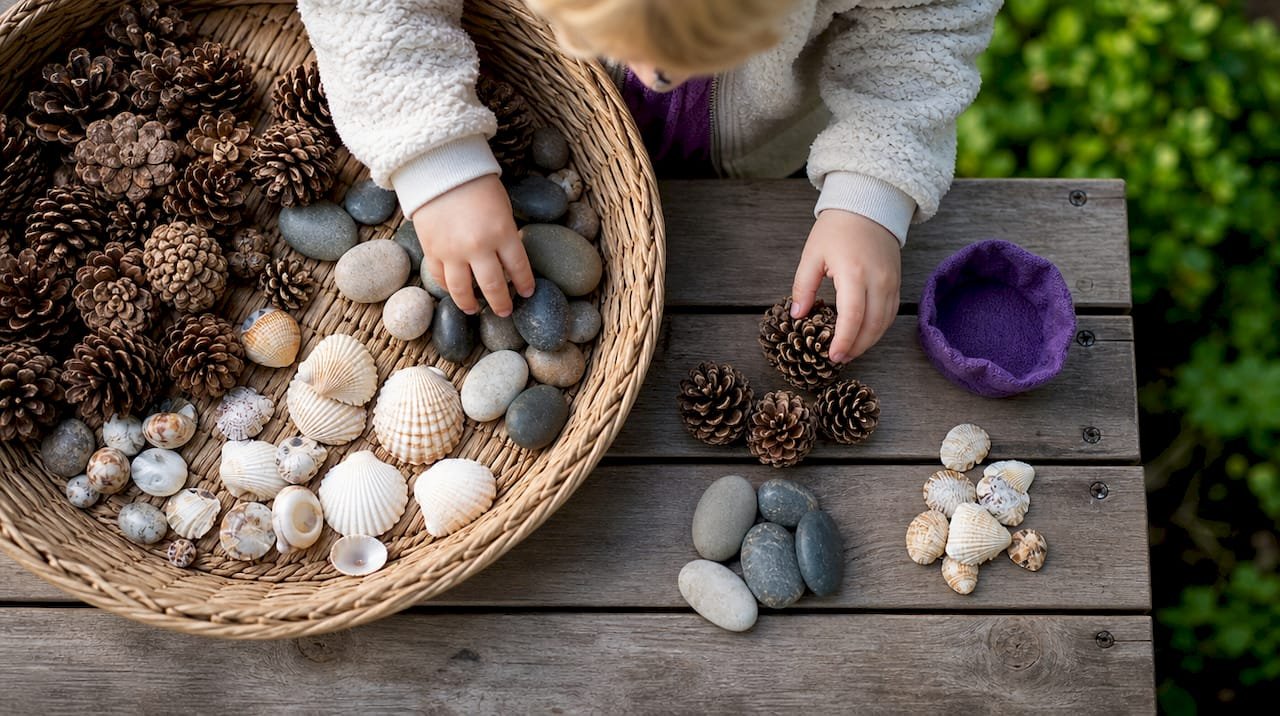
10. Nature basket — Pinecones, shells, smooth stones collected on a walk.
11. Recycling build station — Cardboard tubes, bottle caps, tape. Pairs well with our junk modeling guide for structured follow-ups.
Pretend-play prompts
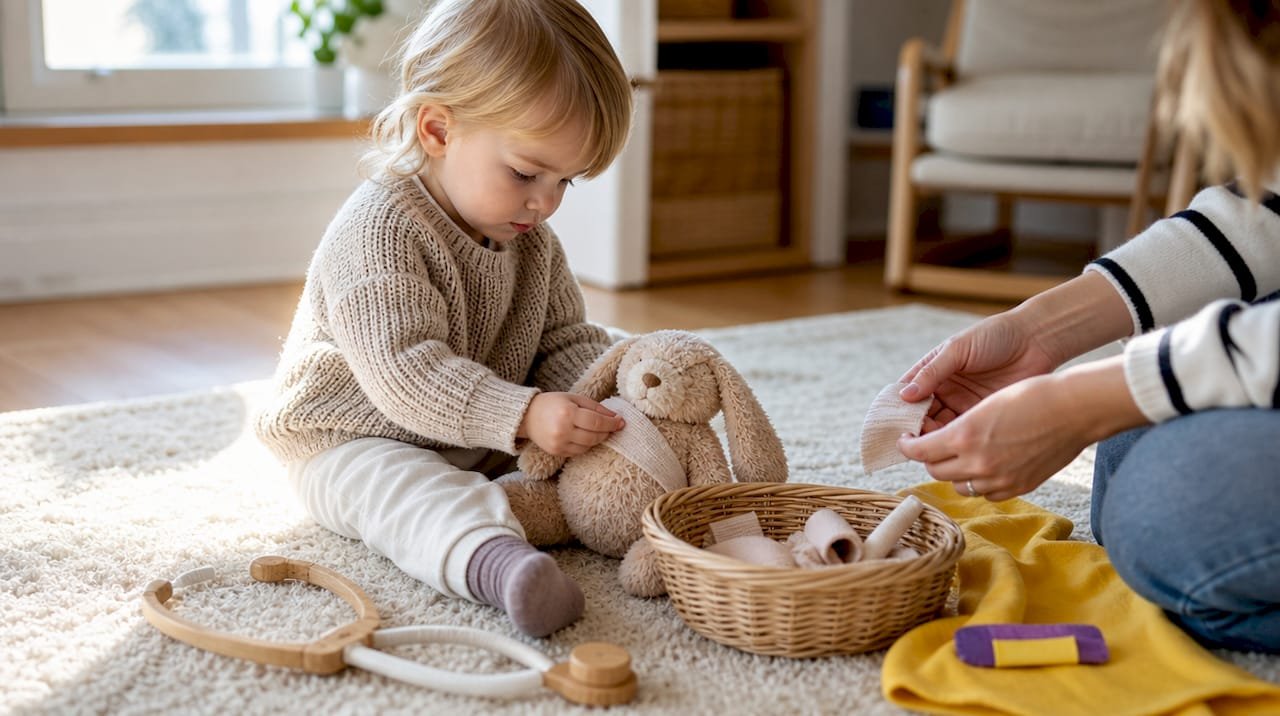
12. Pretend vet clinic — Stuffed animals, bandages, a clipboard. Role play like this builds language and problem-solving skills, according to Pathways.
13. Grocery store checkout — Empty food boxes, a basket, play money or bottle caps.
14. Post office — Envelopes, stickers as stamps, a bag for deliveries.
Art prompts
15. Partially drawn picture — Draw half a face or animal, leave crayons out. The unfinished piece pulls children in without any instruction.
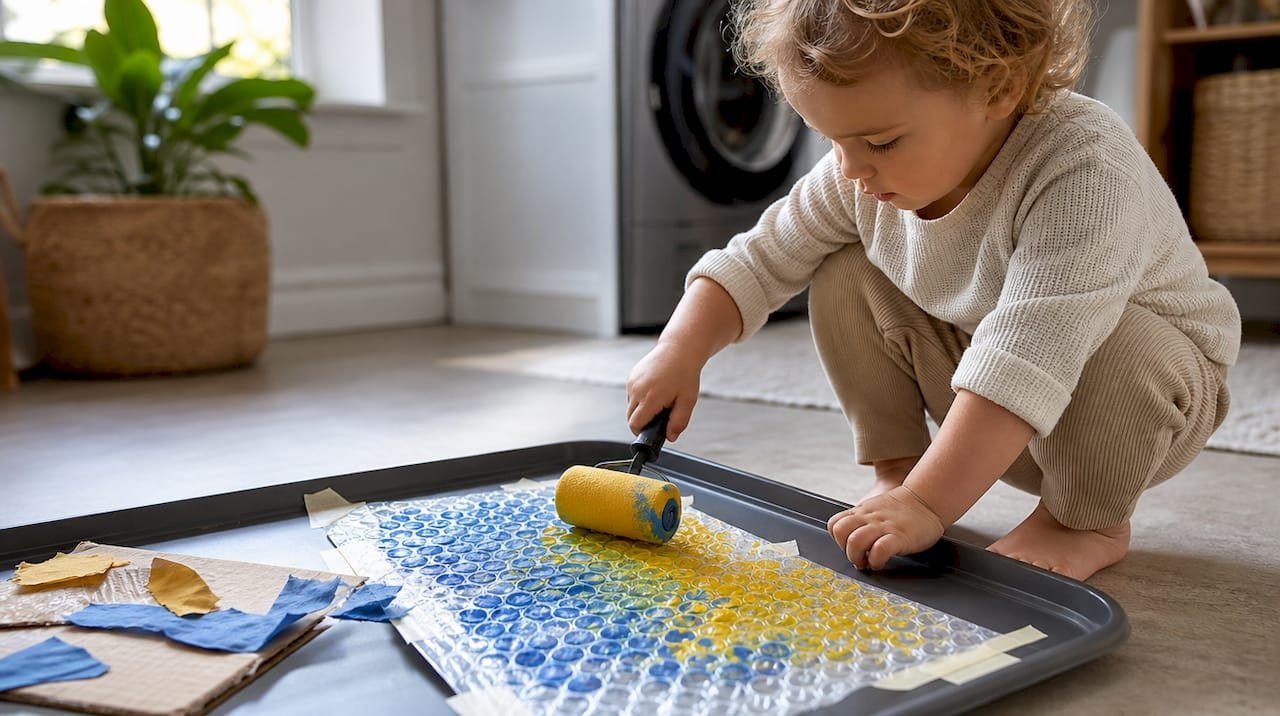
16. Bubble wrap painting — Tape bubble wrap to a tray, add paint and a roller.
17. Torn paper collage — Old magazines, glue stick, cardboard base.
Movement invitations
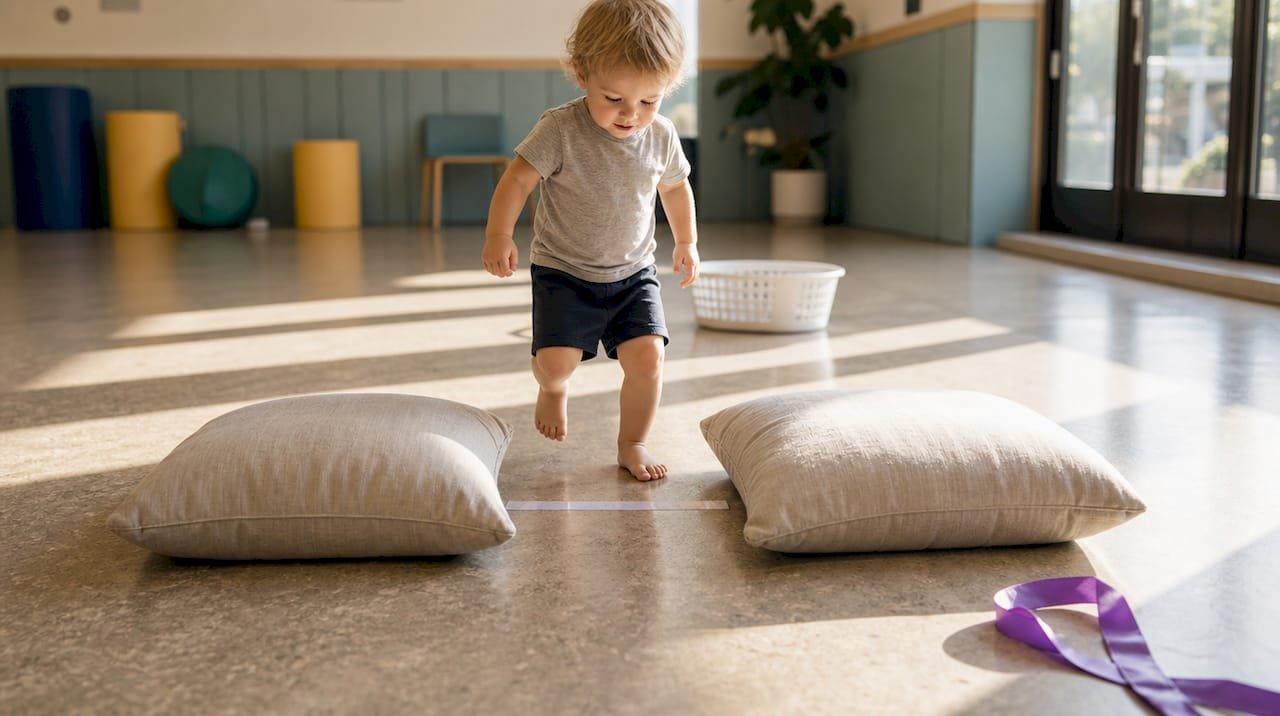
18. Pillow obstacle course — Cushions, a laundry basket, painter’s tape lines.
19. Ribbon streamers — Wooden spoons with ribbon taped on for dancing.
20. Balance beam — A strip of tape or a low plank on the floor.
For mouthing toddlers, swap rice for oats, sand for cooked pasta, and always supervise anything smaller than a golf ball.
How to Make an Invitation to Play: A 5-Minute Method
Staging an invitation doesn’t require a Pinterest board. It requires five steps, done in order, every time.
- Observe first. Notice what your child has been drawn to this week (stacking, splashing, sorting) and build around it.
- Choose 2 to 4 materials. Fewer choices reduce overwhelm and increase focus, especially for toddlers.
- Stage it at their height. Put the tray or basket on the floor or a low table so they can walk up and start without help.
- Leave one thing unfinished. A half-built tower or a partially poured cup gives a clear next move without you saying a word, a technique noted by Moments Enriched.
- Offer one prompt, then step back. Say something like “I wonder what happens if…” and then let them lead.
Model the activity only if they seem stuck after a minute. Otherwise, watch quietly.
Pro Tip: Resist “fixing” the setup once your child starts. A tipped-over bin or a mixed-up sort is often the most interesting part of the play, not a mistake to correct.
Materials and Safety: Loose Parts, Taste-Safe Choices, and Quick Cleanup
Most invitations run on things you already own. Keep a rotating bin of buttons, corks, bottle caps, fabric scraps, and cardboard tubes, and swap in whatever’s cheap and multi-use rather than buying single-purpose toys, per The Imagination Tree.
For children who still mouth objects, stick to taste-safe bases: cooked oats, rice, or pasta instead of dry beans or small pom-poms. Our taste-safe sensory play guide has ten tested swaps if you’re unsure where to start.
Quick safety checklist before you walk away:
- Nothing smaller than a toilet paper tube for children under 3
- Check for allergens in food-based sensory materials (peanut butter, wheat flour)
- Stay within arm’s reach during water or small-item play
- Wipe trays with soapy water; air-dry loose parts weekly
Setups prepared quickly work especially well for busy mornings, and can meaningfully cut down on screen-time battles before school.
Age-Adapted Invitations for Babies, Toddlers, and Preschoolers
The same core idea scales up or down depending on your child’s stage. Reduce components for younger children and place items lower for easy access, a tweak that increases engagement across ages, according to The Imagination Tree.
- Treasure basket (6 to 12 months): Three or four textured items (wooden spoon, silicone tether, soft fabric). For toddlers, add a scooping cup; for preschoolers, add a magnifying glass and a sorting tray.
- Water station: Babies get a shallow tray with a washcloth. Toddlers get cups and a funnel. Preschoolers get measuring jugs and a “how many cups fill the bowl?” prompt.
- Pretend kitchen scene: Babies explore pots and wooden spoons. Toddlers “cook” with play food and a spoon. Preschoolers take orders and use pretend money, extending the language and social skills role play supports, per Pathways.
- Small world tray: Babies get two animals in shredded paper. Toddlers get a farm scene with fences. Preschoolers get a full story setup with a “what happens next?” open prompt.
Our 2-year-old activity list and 9-month-old activity guide build directly on these same formats if you want ready-made variations.
Why These Ideas Work and How Mooshie Moments Supports Them
Open-ended materials with no single correct use foster intrinsic motivation and creative risk-taking, which is the entire point of staging an invitation rather than directing an activity, per Vivvi.
- Tailors setups by your child’s exact age and your available time
- Draws on child-development research for every suggestion
- Requires no special purchases, just what’s already at home
Try one setup tonight and jot down a single observation: what did your child do first?
What One Unfinished Block Tower Taught Us About Watching, Not Fixing
We once left a half-built block tower on a tray, expecting it to get knocked over in seconds. Instead, a toddler crouched, studied it, and added three blocks in complete silence before narrating “big, big, big!” as it grew. Nobody prompted the words. What did you notice the last time you stepped back?
— samit
Try Mooshie Moments: Tailored Invitations Without the Planning
Mooshie Moments is the low-prep alternative to building your own activity calendar from scratch. The app matches invitations to play to your child’s exact age and however many minutes you actually have, drawing on child-development research so you’re not guessing whether an idea suits a 14-month-old versus a 3-year-old.
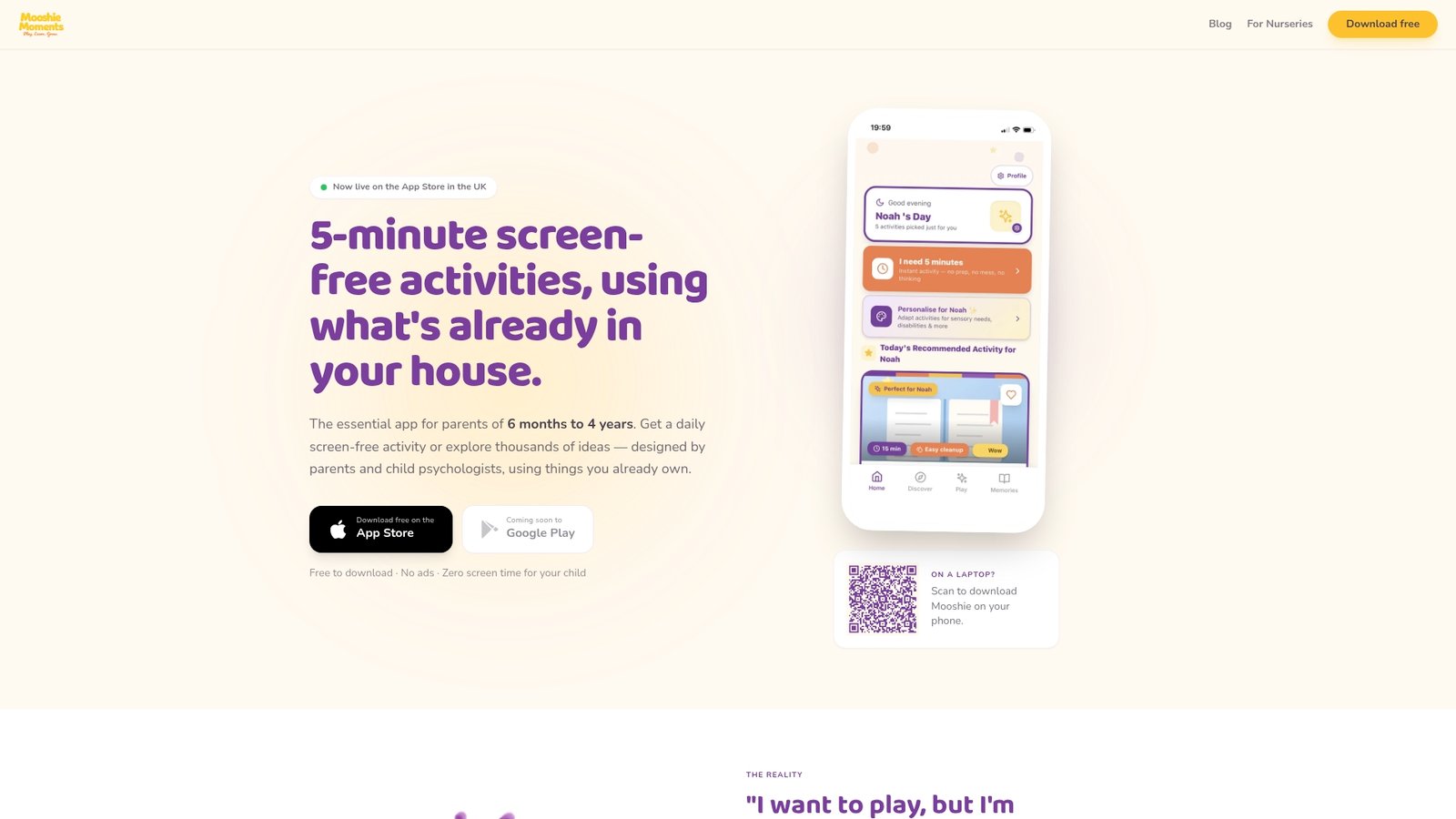
Every suggestion uses household items, so there’s no shopping list standing between you and a calmer afternoon. Early years educators get more than activity ideas too: nurseries can access ready-made partnership packs, printable resources, and usage tracking through the Mooshie home learning partnership. If you’re a parent wanting the next idea already picked for you, explore the full activity library and try tonight’s suggestion before bedtime.
Sources
- How to create play invitation — Vivvi
- Creating Invitations to Play — The Imagination Tree
- 30 creative pretend play ideas — Pathways
Recommended
More like this
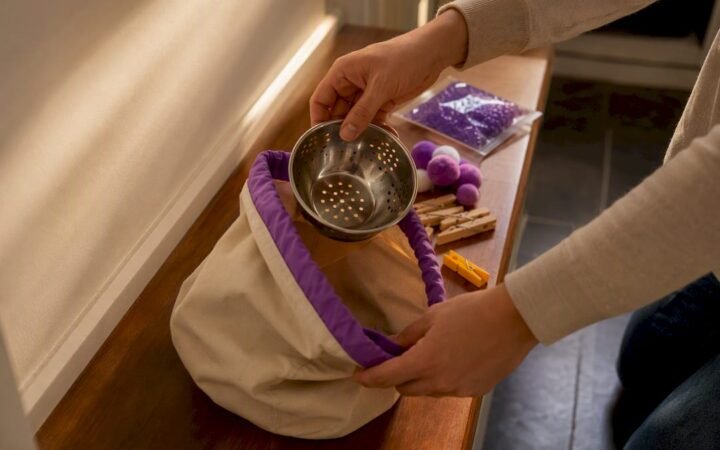
12 Budget Friendly Busy Bag Ideas for Toddlers: Pack in 15 Minutes
12 budget friendly, screen free busy bag ideas for toddlers. Pack a pouch in 15 minutes, rotate to keep interest, and build…
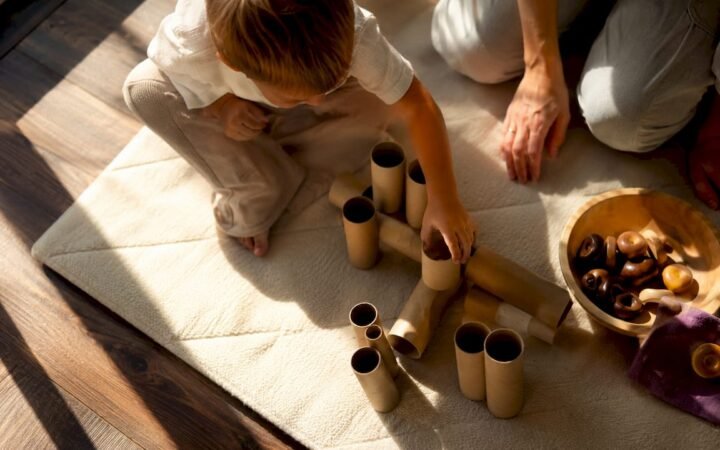
10-Minute Loose Parts Play for UK Toddlers: Toilet-Roll Safety
Start loose parts play in 10 minutes with household items. Follow the toilet-paper-roll safety check, rotate materials, and try quick, low-prep activities...
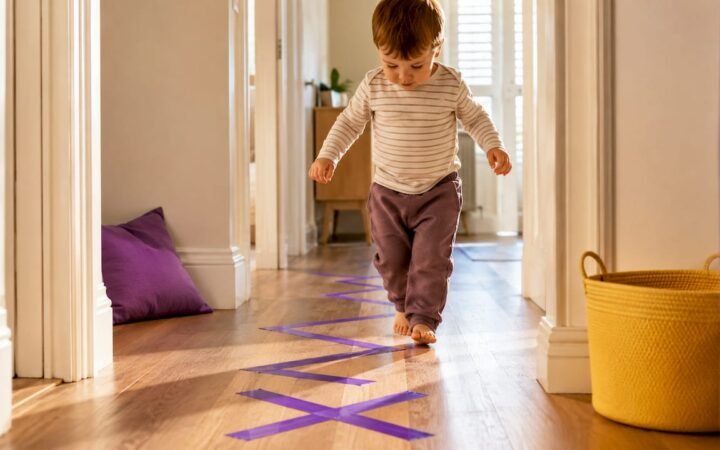
Start in 5 Minutes: Screen Free Rainy Day Activities for UK Toddlers
Quick, screen-free rainy day activities UK parents can start in five minutes. Age-matched, energy-level rotations, low-cost supplies and tidy cleanup tips.