Early Literacy and Phonics Activities for Toddlers

SKILLS AND LEARNING · 6 MONTHS TO 4 YEARS

Early Literacy and Phonics Activities for Toddlers

Phonics activities for preschoolers built on listening games first, from the Mooshie Moments app, with ideas for babies through to 4 year olds ready today.

  • Free to download
  • No account needed
  • No screen time for your child
QR code to download Mooshie MomentsOn a laptop?
Scan to get Mooshie on your iPhone.
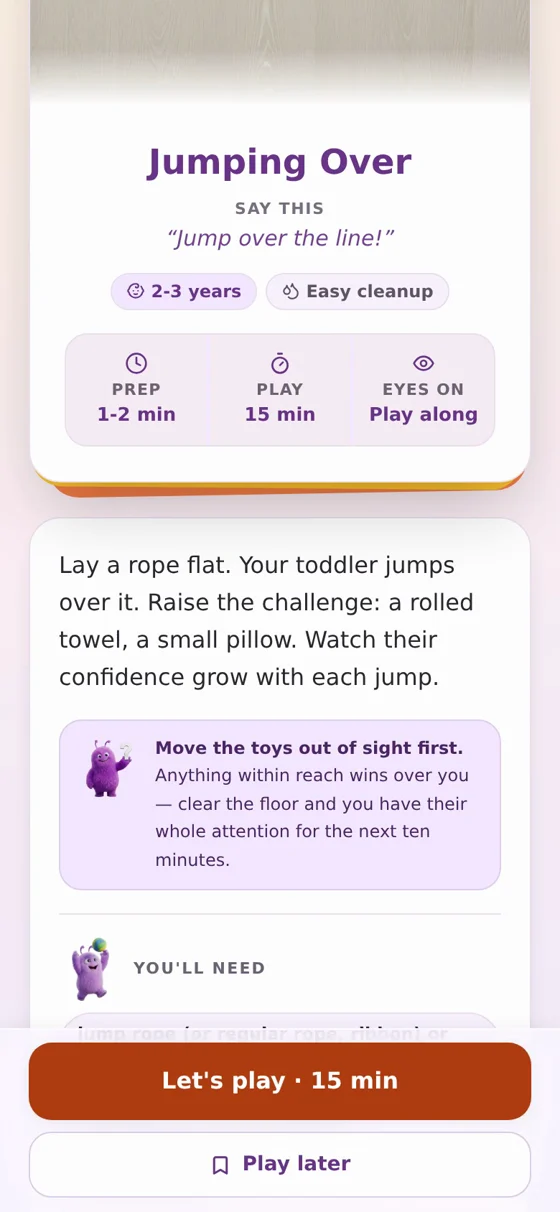
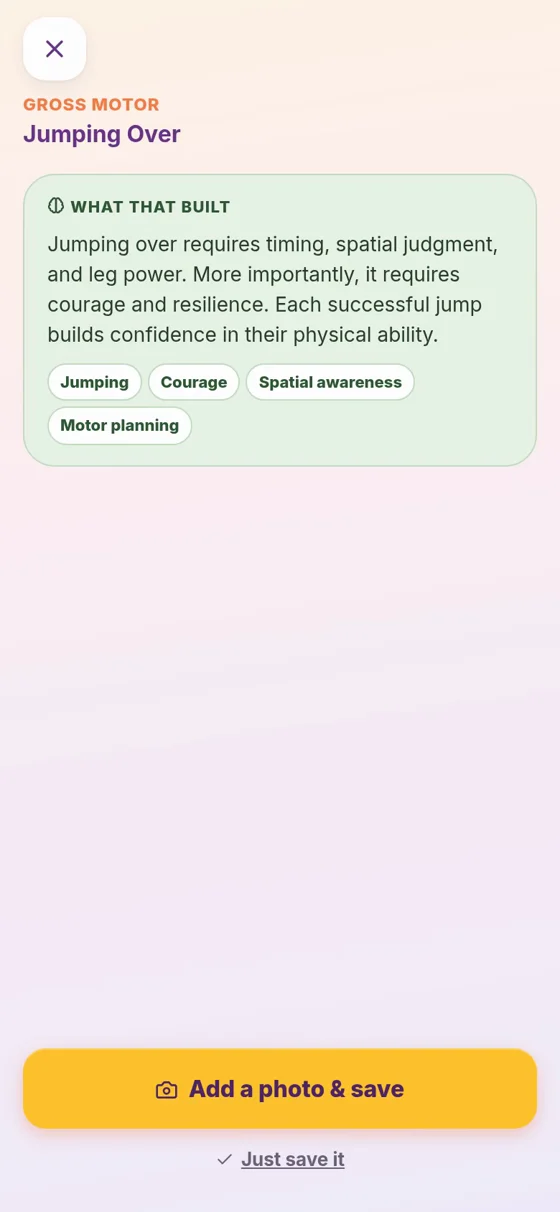
Mooshie activity screen with Say this words to useWhat that built screen showing the skills an activity practised
11free ideas on this page
5,918activities for 6 months to 4 years
Say thisthe exact words on every activity
0child details uploaded, ever

Phonics activities for preschoolers work best once your child has already spent a year or two just listening. Long before letters mean anything, your toddler needs to notice that words are made of sounds at all, and that comes from games, not flashcards.

Below are eleven listening and early literacy activities from the Mooshie Moments app for children aged 6 months to 4 years, arranged as a ladder from simple listening up to first letters. Each uses things you already own, takes 3 to 15 minutes, and comes with the exact words to say.

Rung one: just listening

6 to 12 months10 minutes

1. Sing Along Babbles

Sing a tune your baby already knows, first with the real words, then again replacing every word with “la la la”, then a third time using a sound your baby has been making that day. Same tune, different sounds, so they hear their own noise sitting inside music they recognise.

You’ll need: your voice

Say this: “I am going to sing your song.” · “La la la, that is it.” · “Different words, same tune.”
1 to 210 minutes

2. What’s That Sound

Hide behind your back or a cushion and make a sound with keys, crinkled paper or a spoon on a pan. Let your toddler listen hard and guess what made it, then reveal the answer either way.

You’ll need: household items that make sounds

How to play
  1. Make a sound out of sight and ask “What was that?”
  2. Let them guess, right or wrong.
  3. Show them the object and name it.
  4. Swap objects and repeat with a new sound.
1 to 210 minutes

3. Sound Match Game

Hold up a bell and say “Bell!” then make its sound: “Ring-ring! That’s bell sound!” Repeat with a spoon (tap-tap) and a shaker (rattle-rattle), always pairing the object’s name with its sound, then mix them up and ask which one makes ring-ring. A small bell is a choking risk if mouthed, so check it’s too big to fit inside a toilet roll tube before handing it over.

You’ll need: a bell, wooden spoon, shaker, or pan and stick

Rung two: mouth sounds and rhythm

1 to 210 minutes

4. Echo Mouth Sounds

Sit face to face and make a silly sound, a cheek pop, a tongue click, a raspberry, and wait for your toddler to try copying it. Take turns, and let each round get a little sillier than the last.

You’ll need: your face and mouth

Say this: “Watch my mouth and copy this.” · “That is the sound, you got it.”
1 to 210 minutes

5. Car Sounds

Push a car and say “Vroom!”, push a train and say “Choo choo!”, then hand the toy over and let your toddler try the sound themselves. Repeated action-and-sound pairing is exactly how early speech sounds get practised.

You’ll need: toy vehicles

Rung three: stories and words

6 to 12 months3 minutes

6. One Page Book

Sit your baby on your lap and open a board book at a single page. Point slowly at one picture and name it, then one more thing, let them pat the page, and close the book. A whole story is not needed, one picture looked at properly is plenty at this age.

You’ll need: a board book

Say this: “That is a dog, a dog.” · “The end.” · “Book back on the shelf.”
1 to 210 minutes

7. Book Reading Daily

Read together every day, whether it’s the same well-worn favourite or something new. Point to pictures, repeat interesting words, and let your toddler turn the pages themselves whenever they want to.

You’ll need: books

Say this: “Which book shall we have tonight?” · “You want that page again, go back then.”
3 to 415 minutes

8. Story Sound Hunt

Pick one sound to listen for, then read the story slowly and ask your child to raise a hand every time they hear it. Count how many times it comes up, then choose a different sound and go through the same book again.

You’ll need: a picture book

How to play
  1. Pick a sound to hunt for before you start reading.
  2. Read slowly, pausing after any word with that sound.
  3. Have them raise a hand each time they spot it.
  4. Try the same story again with a new sound.

Rung four: telling their own stories

2 to 310 minutes

9. I Spy Story Prompts

Play a version of I Spy where the guess turns into a tiny story: “I spy something soft and red, what could it do?” Even a one-word answer like “Sleep!” gives you a story to build on: “The pillow helps you sleep, that’s right!”

You’ll need: nothing but the objects in your room

Say this: “I spy…” · “Tell me a story about it!”
3 to 410 minutes

10. Photo Album Story Sessions

Flip through photos of a family trip or day out and ask your child to tell you the story of what happened. Let their version stand without correcting details, and ask gentle follow-up questions to draw more of the story out.

You’ll need: printed photos, or a phone or tablet

Say this: “Tell me the story of that day.” · “What was the silliest thing that happened?”
3 to 410 minutes

11. Once Upon a Time Chain

Start a story with “Once upon a time, there was a dancing penguin,” then hand the next sentence over to your child. Whatever they add, however unexpected, becomes part of the tale, and you keep passing the story back and forth for five or six turns each.

You’ll need: nothing required

Say this: “Your turn! What happens next?” · “The end! Want to tell another one?”

A quick word on phonics itself

Formal, structured phonics teaching, matching specific letters to specific sounds, generally starts once children reach school. Everything above is the groundwork that makes that later, more formal learning click faster: an ear tuned to sounds, a habit of listening, and the confidence to talk.

Hundreds more ideas like these are waiting in the app.

Plus one picked for your child every day, matched to their age and how today is going.

LOVED BY FAMILIES

Parents and experts on Mooshie

“I used to spend 30 minutes looking for an activity on Pinterest, get overwhelmed, and just turn on the TV. Mooshie takes 5 seconds.”
Sarah J.Mum of a 2-year-old
“Finally, an app that tells me to put my phone away. The activities are actually doable with stuff I have in my junk drawer.”
Mark D.Dad of two
“As a pediatric OT, I love that these activities build core developmental skills without feeling like ‘homework’ for parents.”
Dr Emily R.Paediatric occupational therapist
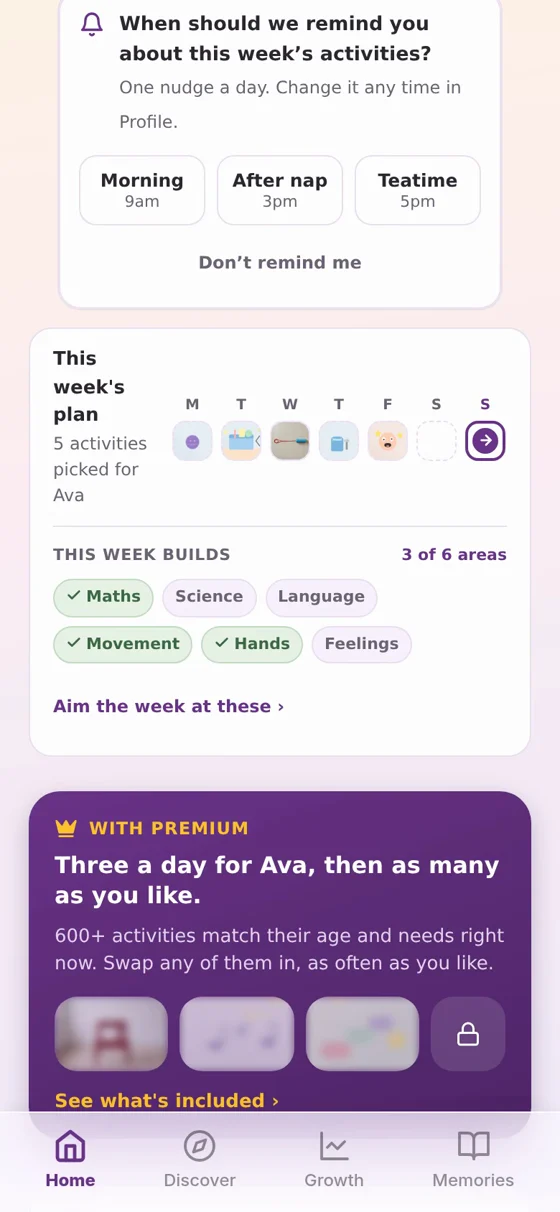
This week's plan showing five activities and the areas they build
HOW MOOSHIE HELPS

How Mooshie supports early language

Mooshie’s weekly plan covers six areas including language, alongside maths, science, movement, hands and feelings, so listening and talking games turn up regularly rather than only on the days you remember to reach for a book.

  • 5,918 activities across every stage from 6 months to 4 years.
  • Every activity has “Say this” phrases built in, so you always have the right words even on a tired day.
  • Add speech and language delay and all 5,918 activities adapt, with adaptation tips added automatically once you’ve told the app about your child.
  • It’s free to download and gives you a brand-new activity each day.

The app does its job in half a minute, then disappears. Check the idea in 30 seconds, then put the phone away and go and read together.

Questions parents ask

When should phonics teaching start?

Formal phonics, teaching specific letters and their sounds, usually begins once children start school, generally around age 4 to 5 in the UK. Before that, listening games and rhyme build the foundation those lessons will sit on.

What are good pre reading activities for a 2 year old?

Daily reading, naming sounds you hear around the house, and simple rhyming songs are all excellent for a 2 year old. There’s no need for letters yet, the aim is simply a good ear and a love of books.

My toddler isn’t talking much yet. Should I worry about literacy activities?

Keep doing sound and story games regardless, since listening and enjoying language matter even before speech takes off. If you have ongoing concerns about your child’s talking, it’s worth mentioning to your health visitor or GP, who can point you towards a speech and language assessment if needed.

What are letter activities good for at 3 to 4 years?

Pointing out letters your child already cares about, such as the first letter of their name, and playing sound-spotting games in familiar stories both help. Writing the letters themselves can come later, recognising and enjoying them is the priority first.

How do rhyming games help with reading later?

Noticing that words rhyme is one of the clearest signs a child is developing phonological awareness, which is one of the strongest known predictors of how easily reading clicks once formal lessons begin.

Mooshie is a play app, not medical advice. If you’re worried about your child’s development, speak to your health visitor or GP.

Make memories. Build skills. Play together.

Your first moment is ready as soon as you tell us their age.

Mooshie MomentsFree on iPhone
Get it free