
15 Month Old Activities: 10 Ideas You Can Start Today
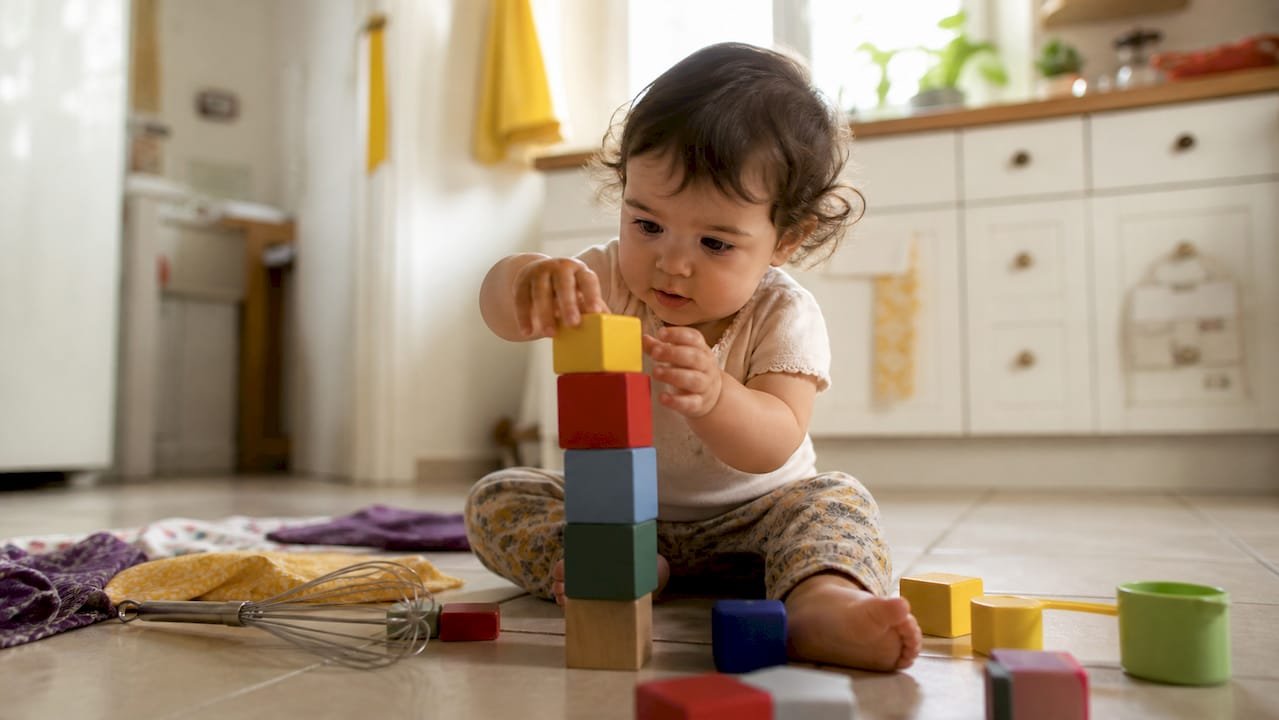
Here are 10 activities for 15-month-olds you can set up in five minutes or less, using things you already have at home. Each one targets a key developmental skill your toddler is building right now, from fine motor coordination to early language. According to CDC milestone guidance, a typical 15-month-old is walking independently, using at least one word, pointing to show interest, and following simple commands. These activities meet them exactly where they are.
- Container drop (fine motor, cause-and-effect) — 2 min setup, 5–10 min play
- Couch cushion climb (gross motor, balance) — 1 min setup, 5–8 min play
- Water pouring station (sensory, hand control) — 3 min setup, 10–15 min play
- Object naming walk (language) — 0 min setup, 5–10 min play
- Muffin tin sort (fine motor, problem-solving) — 2 min setup, 10–20 min play
- Laundry basket ball drop (gross motor, cause-and-effect) — 1 min setup, 5–10 min play
- Treasure dump and refill (sensory, exploration) — 2 min setup, 10–15 min play
- Pretend feeding (social/pretend play) — 1 min setup, 5–10 min play
- Sponge squeeze bin (sensory, hand strength) — 3 min setup, 10–15 min play
- Toddler kitchen helper (everyday life, language) — 0 min setup, 5–10 min play
The Mooshiemoments app builds on exactly this approach: age-tailored, screen-free activity ideas using household items, ready to go whenever you need them.
Key Takeaways
Short, household-item activities grouped by developmental skill are the most practical approach to 15-month-old play: they require no special equipment, take under five minutes to set up, and directly support the motor, language, and social milestones your toddler is building right now.
| Point | Details |
|---|---|
| Start with cause-and-effect play | Container drop, muffin tin sort, and pour-and-dump activities match 15-month developmental wiring. |
| Keep sessions 10–15 minutes | A warm-up, core activity, and wind-down structure fits the typical attention span at this age. |
| Watch CDC milestones | Walking, one clear word, and pointing by 15 months; contact your pediatrician if any are absent. |
| Limit screens to video calls | CDC guidance recommends no passive screen time for children under 2. |
| Mooshiemoments | The app provides age-tailored, screen-free activity ideas using household items, ready in under five minutes. |
Table of Contents
- 1. Activities for 15-month-olds, grouped by the skill they build
- 2. How to run a short play session that actually works
- 3. What to expect at 15 months and when to call your pediatrician
- 4. Safety rules and screen-time guidance for this age
- 5. How to adapt activities as your child grows
- Mooshiemoments makes age-tailored activity ideas easy to find
- Sources
1. Activities for 15-month-olds, grouped by the skill they build
The best toddler play ideas are the ones that match what your child is actually ready for. At 15 months, that means short bursts of hands-on exploration, not long structured lessons. Raising Children Network describes this age as a time of intense curiosity, early imitation, and the first sparks of pretend play. Group your activities by skill area and you will naturally cover all the bases across a day.
Fine motor activities
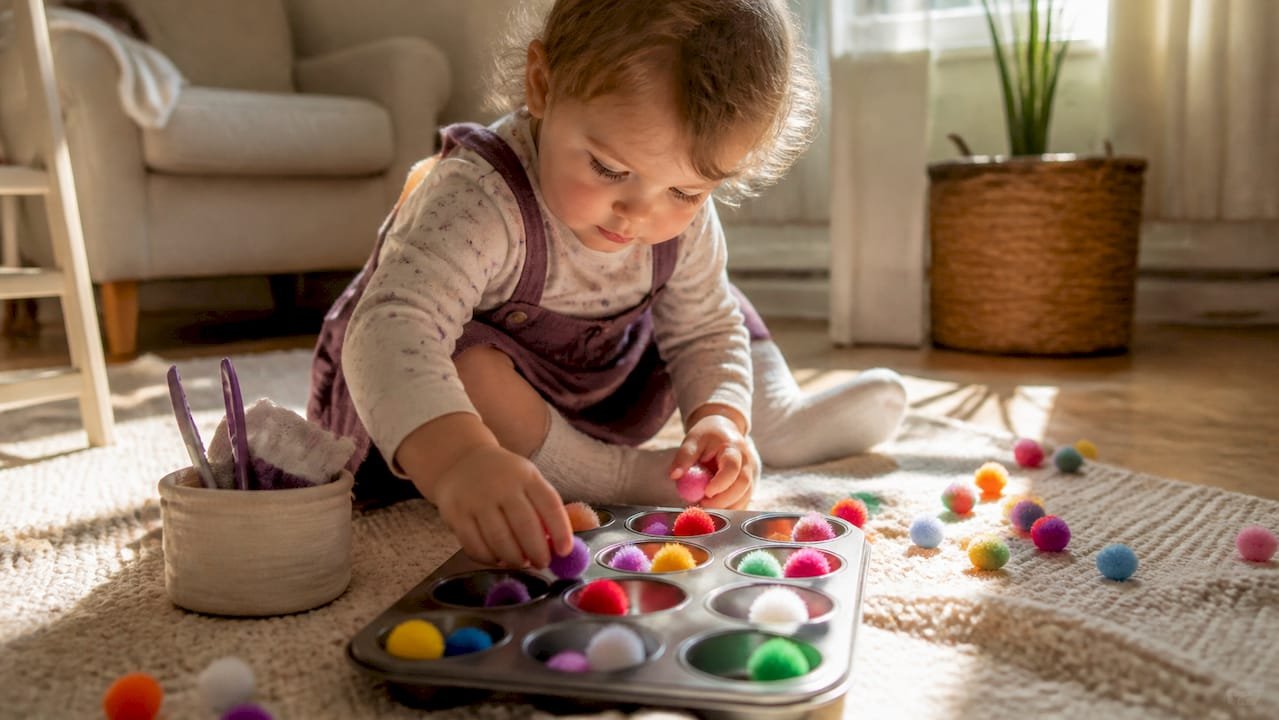
Muffin tin sort. Drop pom-poms, dried pasta, or small blocks into the cups of a muffin tin. That is it. Your toddler will spend time filling, dumping, and refilling. The pincer grip required to pick up each item helps develop the hand control needed for feeding themselves and eventually holding a crayon. To make it easier, use larger objects like rolled socks. To level it up, add a pair of tongs for transfer practice.
Container drop. Cut a hole in the lid of a plastic container and let your toddler push objects through. Wooden pegs, large buttons, or folded pieces of fabric all work. The in-and-out action is deeply satisfying at this age because 15-month-olds are wired for cause-and-effect play. Narrate as they go: “in,” “out,” “drop,” “pop.”
Stacking cups. A set of nesting cups (or mismatched plastic cups from your cabinet) gives toddlers a chance to stack 2–3 high, which aligns with where most are developmentally, as noted by Eat Play Say. When the tower falls, celebrate the crash. The “fail” is the point: it refines motor control and builds persistence.
Gross motor activities
Couch cushion climb. Pull two or three cushions off the couch and arrange them on the floor. Your toddler will climb, roll, and tumble on them, engaging their core strength, balance, and spatial awareness. This builds core strength, balance, and spatial awareness. Stay close and spot them, but resist the urge to help unless they ask. Struggling to get up is part of the learning.
Laundry basket ball drop. Stand a laundry basket on its side and roll a soft ball toward the opening. Your toddler will chase, retrieve, and push it back, which supports gross motor development and cause-and-effect understanding. UNICEF’s guidance on sensory-rich play supports exactly this kind of active, low-prep exploration for toddlers.
Outdoor walk with a mission. Pick up sticks, collect leaves, or splash in puddles. Outdoor activities for toddlers do not need to be organized. The uneven ground alone challenges balance and builds leg strength. Name everything you touch: “rough,” “wet,” “heavy,” “soft.”
Sensory activities
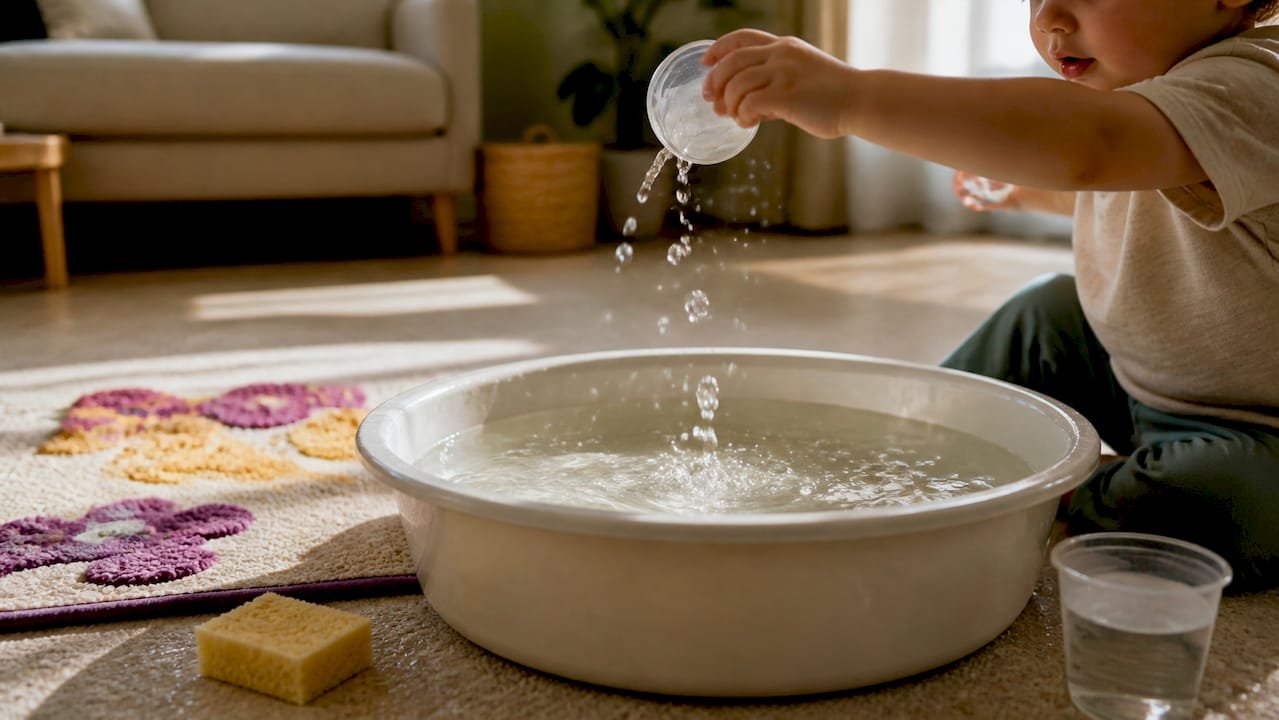
Water pouring station. Set up a shallow bin or the kitchen sink with two inches of water, a few cups, and a sponge. Let your toddler pour, squeeze, and splash. Motherly’s research on screen-free toddler activities shows that low-prep setups like a washing station can hold toddler attention for 20–30 minutes. Put a towel down, roll up their sleeves, and step back.
Treasure dump. Fill a small bin with dried rice, dried pasta, or oats and bury a few household objects inside (a spoon, a small cup, a wooden block). Your toddler digs, discovers, and dumps. The texture alone is engaging. Variation: swap the filler material each week to keep it fresh.
Sponge squeeze bin. Drop several damp sponges into a shallow tray. Squeezing builds hand strength that directly supports fine motor development. Add a little water and a small cup for scooping and the activity doubles in complexity.
Language activities
Object naming walk. Walk through your home and point to objects, naming them clearly and simply. “Door.” “Light.” “Cup.” Pause and wait. If your toddler points or babbles, respond with the word again. The CDC’s guidance for one-year-olds recommends naming objects and reading together as two of the most effective ways to build early language. No materials needed.
Book time. Board books with one image per page work best at this age. Point to the picture, say the word, and let your toddler turn the page. Do not worry about reading every word. The back-and-forth of pointing and naming is the whole activity.
Pretend and social activities
Pretend feeding. Hand your toddler a spoon and a bowl, and let them “feed” a stuffed animal or doll. This is early pretend play, and it is a big deal developmentally. Imitation of caregiving is one of the first signs of social understanding. Join in, narrate (“yummy,” “more,” “all done”), and follow their lead.
Tape roads. Use painter’s tape to make a simple road or track on the floor. Push a toy car or a block along it together. The tape itself is interesting to peel and press, which adds a fine motor bonus. This kind of parallel play alongside a caregiver is exactly what 15-month-olds are ready for.
Everyday life activities
Toddler kitchen helper. Stand your toddler on a sturdy step stool at the counter and let them stir, pour, or wash vegetables with you. This is one of the most underused learning activities for 15 months. Real-life participation builds language (you narrate everything), social connection, and a sense of competence. It also tends to hold attention longer than any toy because it is real.
Tidy-up game. Make cleanup part of the activity. Sing a simple cleanup song, set a timer, or challenge your toddler to fill the basket before the song ends. Teaching cleanup as a game rather than a chore builds executive function and reduces resistance over time.
Pro Tip: Rotate through two or three skill areas across a day rather than doing all activities back to back. A morning of fine motor play, an outdoor gross motor session after lunch, and a sensory bin before bath time gives your toddler variety without overwhelming either of you.
2. How to run a short play session that actually works
A 10–15 minute session is the sweet spot for 15-month-old activities. Longer than that and you are fighting attention span. Shorter and there is barely time to settle in. The structure below works because it mirrors how toddlers naturally move through engagement: slow start, peak focus, then wind-down.
- Warm-up (2–5 minutes). Start with something familiar and low-demand: a favorite book, a simple stacking toy, or a short walk around the room. This signals that play time is starting without putting pressure on your toddler to perform.
- Core activity (5–8 minutes). Introduce the main activity. Set it up in front of them and step back. Narrate what they do rather than directing: “you’re pouring,” “it went in,” “uh oh, it fell.” Responsive pauses (waiting 5–10 seconds after they act before you speak) give them space to problem-solve.
- Wind-down (2–3 minutes). Watch for signs they are done: walking away, throwing objects, fussing, or losing interest. Do not push through. Transition to cleanup using a song or a simple phrase (“all done, let’s tidy”), then move to a snack or a quieter activity.
Signs your toddler is done before the timer: turning away from the activity, bringing you something unrelated, or starting to mouth objects they were not mouthing before. Trust those cues.
Pro Tip: Hand-over-hand guidance (gently placing your hand over theirs to model the action) works better than verbal instruction alone at this age. Use it sparingly and only when they seem stuck, not as a default.
Motherly’s activity research confirms that low-prep setups with clear boundaries (a tray, a bin, a defined space) tend to extend engagement naturally. The container does half the work of keeping the activity focused.
3. What to expect at 15 months and when to call your pediatrician
Most 15-month-olds are walking, using at least one word, pointing to show you things, and following simple one-step commands like “give me the ball.” That is the short version. The fuller picture, per CDC milestone guidance, includes 11–14 hours of total sleep per day and a growing ability to imitate actions they see caregivers do.
At 15 months, your toddler’s curiosity is the engine. They want to touch, dump, climb, and repeat. Activities that let them act on their environment (cause-and-effect, in-and-out, open-and-close) are not just fun. They are how toddlers build early scientific reasoning and motor control at the same time.
| What to track | Typical range | Notes |
|---|---|---|
| Total sleep per day | 11–14 hours | Includes naps; CDC |
| Words used | At least 1 clear word | More is great; fewer warrants a check-in |
| Walking | Independent walking expected | Some toddlers walk later; discuss with provider |
| Juice (if offered) | 0 oz recommended under age 1; limit after | AAP advises limiting added sugars |
Red flags to discuss with your pediatrician:
- Not walking by 15 months
- Not using any words or sounds to communicate
- Not pointing to show you things
- Loss of skills they previously had (any regression)
- Not responding to their name consistently
If any of these apply, contact your child’s provider. Early support makes a real difference, and asking is always the right call. The CDC’s Act Early resources include a free milestone checklist you can bring to your next appointment.
This article provides general information only, not medical advice. Always confirm developmental concerns with your child’s pediatrician or a qualified early childhood professional.
4. Safety rules and screen-time guidance for this age
The one-line answer on screens: CDC guidance for one-year-olds recommends limiting screen time to video calls only for children under 2. That means no background TV during play, no tablet “babysitting,” and no passive video content, even educational-looking ones.
Choking hazards to remove before any activity:
- Anything smaller than a toilet paper roll opening
- Coins, button batteries, small magnets
- Dried beans or small seeds (use large dried pasta or oats instead)
- Balloon pieces
- Raw carrot sticks or whole grapes (food-based sensory play)
Safe substitutions: large dried pasta shapes instead of small beads, rolled socks instead of small balls, fabric scraps instead of ribbons.
Water play safety:
- Never leave your toddler unsupervised near any water, even two inches in a bin
- Empty the bin immediately after play
- Keep the water shallow (1–2 inches maximum)
Quick safety checklist for activity areas:
- Outlet covers in place
- Sharp corners padded or blocked
- Cleaning products and medications locked away
- Poison Control number saved: 1-800-222-1222
- Activity space cleared of trip hazards before gross motor play
Pampers’ toddler activity guidance also recommends keeping activity spaces defined and contained, which naturally reduces the risk of your toddler wandering into unsafe areas during play.
5. How to adapt activities as your child grows
The activities above are not one-and-done. Most of them have a natural progression that carries you through the next three to six months without needing anything new.
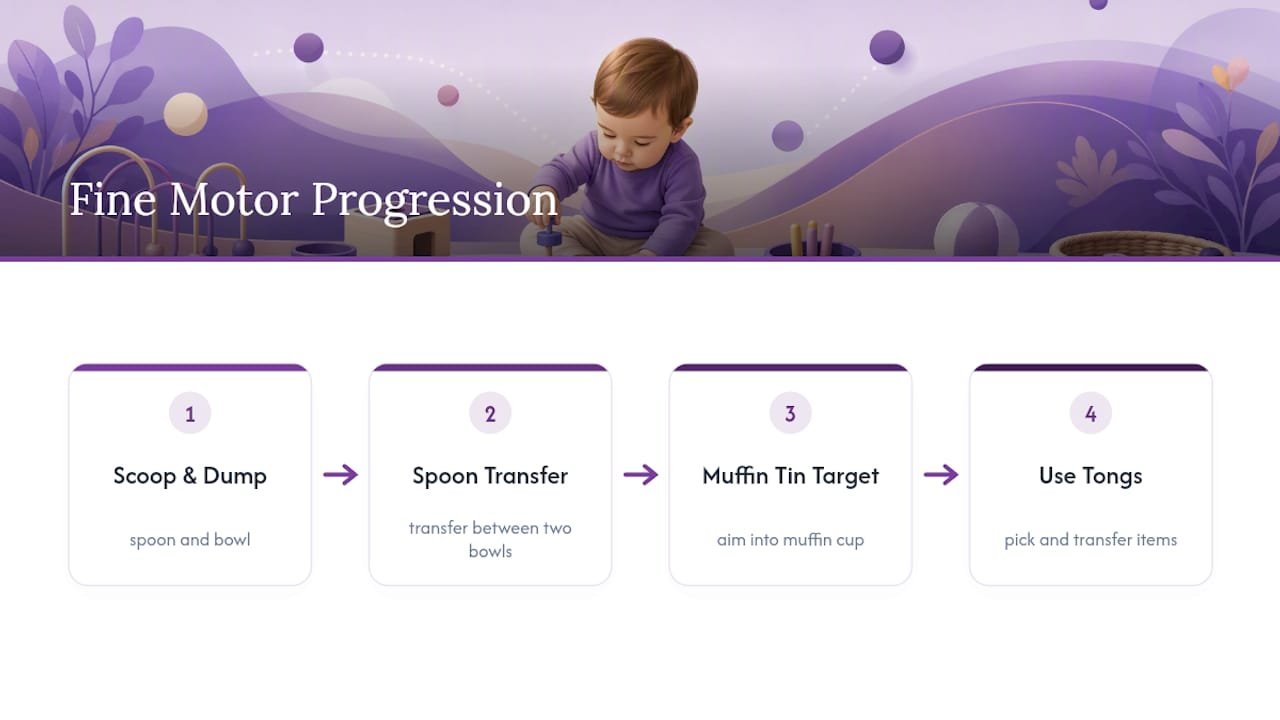
Fine motor progression: Start with scoop-and-dump (a spoon and a bowl). Move to spoon-transfer between two bowls. Then add a target (a muffin tin cup). Then introduce tongs. Each step adds precision without changing the core activity.
Gross motor progression: Rolling a ball becomes kicking toward a target. Climbing cushions becomes navigating a simple obstacle course (cushion, then a low step, then a tunnel made from a blanket over chairs).
Language progression: Name one object during play. Then name the action (“pour”). Then add a descriptor (“cold water”). You are building vocabulary one layer at a time, always just ahead of where your toddler is.
Process over outcome. When your toddler “fails” to place a shape or drops everything they just sorted, that is not a problem. That is the activity. Narrate the attempt: “you tried,” “almost,” “let’s try again.” Celebrating effort rather than success builds persistence and keeps play low-pressure for both of you.
Integrating play into daily routines is one of the most practical shifts you can make. Let your toddler help load the dishwasher (safe items only), hand you laundry pieces, or stir a bowl. These real-life moments build language, social connection, and a sense of belonging in the family routine.
Pro Tip: Set up a small, repeatable micro-challenge: transfer three pom-poms from one bowl to a muffin tin cup. Keep it short and repeat it across several days. The repetition itself builds persistence and fine motor coordination faster than a new activity each time.
What we have learned from watching toddlers play
The most common mistake parents make is assuming that a “good” activity needs to hold attention for 20 minutes. It does not. A two-minute container drop that ends in a triumphant dump is a complete, successful play session for a 15-month-old. The value is in the doing, not the duration.
What actually shifts outcomes is narration. Specific, immediate words tied to what your toddler is doing right now (“you poured it,” “it’s empty,” “more water”) connect motor actions to language in a way that passive exposure never does. You do not need a curriculum. You need to be present and specific.
The other thing worth saying plainly: you do not need to be creative every day. Rotating three or four reliable activities across a week is more developmentally sound than introducing something new every morning. Familiarity lets toddlers go deeper into an activity rather than spending all their energy figuring out what it is. Repetition is not boring at this age. It is how learning happens.
Mooshiemoments makes age-tailored activity ideas easy to find
When you want a ready-made activity bank instead of starting from scratch, Mooshiemoments gives you a library of screen-free, developmentally focused ideas personalized to your child’s exact age and your available time. Every activity uses household items and comes with expert-reviewed developmental notes so you understand what your toddler is actually building while they play.
The app is built for parents who want something quick, research-backed, and genuinely useful on a Tuesday afternoon when creativity is running low. Features include age personalization from 6 months to 4 years, activity ideas you can set up in under five minutes, and nursery partnership packs for early years settings that want to send home-learning resources to families. Download Mooshiemoments and browse your first activity today.
Published by Mooshiemoments.
Sources
- Toddler development at 15-18 months | Raising Children Network
- 21 learning activities for babies and toddlers | UNICEF
- Toddler activities and games | Pampers
- Easy screen-free activities for toddlers: Low-effort ideas that buy you 30 minutes- Motherly
- Activities for 15 Month Olds – Eat Play Say Blog
This article is general information, not a substitute for advice from a qualified doctor. Consult a qualified healthcare professional about your own circumstances before acting on anything here.
Recommended
More like this

Five Minute Routine Activities to Help Speech Delay in UK Toddlers
Quick, routine based activities UK parents can use in 5–15 minutes to support a toddler with speech delay. Evidence backed techniques and…
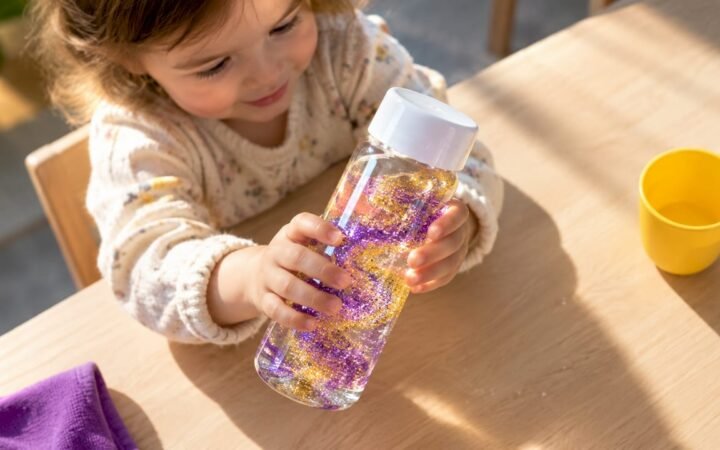
Three Minute Mess Free Sensory Play For UK Parents
Quick, reusable sensory activities UK parents can set up in minutes. Sealed bags, sticky wall art, safety checks, storage tips, and Mooshie…
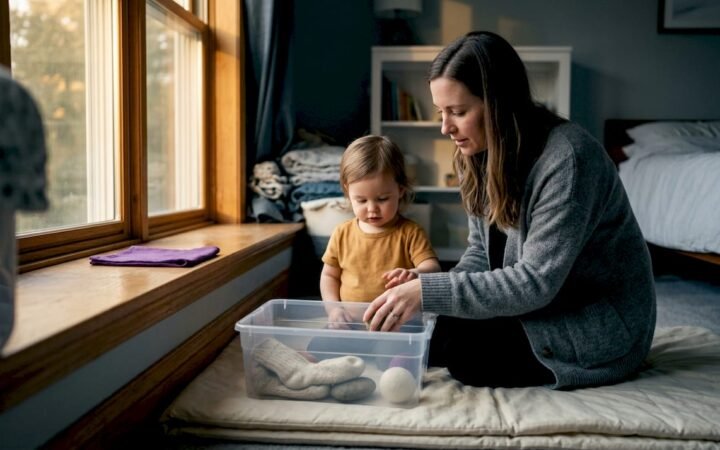
10 Quiet Bin Ideas UK Parents Can Build in 5 Minutes
Practical, EYFS-aligned quiet-bin ideas UK parents can assemble in five minutes. Includes 10 ready bins, a five-bin rotation, safety checks, and quick...