
One Item, Quieter Waits: UK Toddler Activities for Waiting Rooms
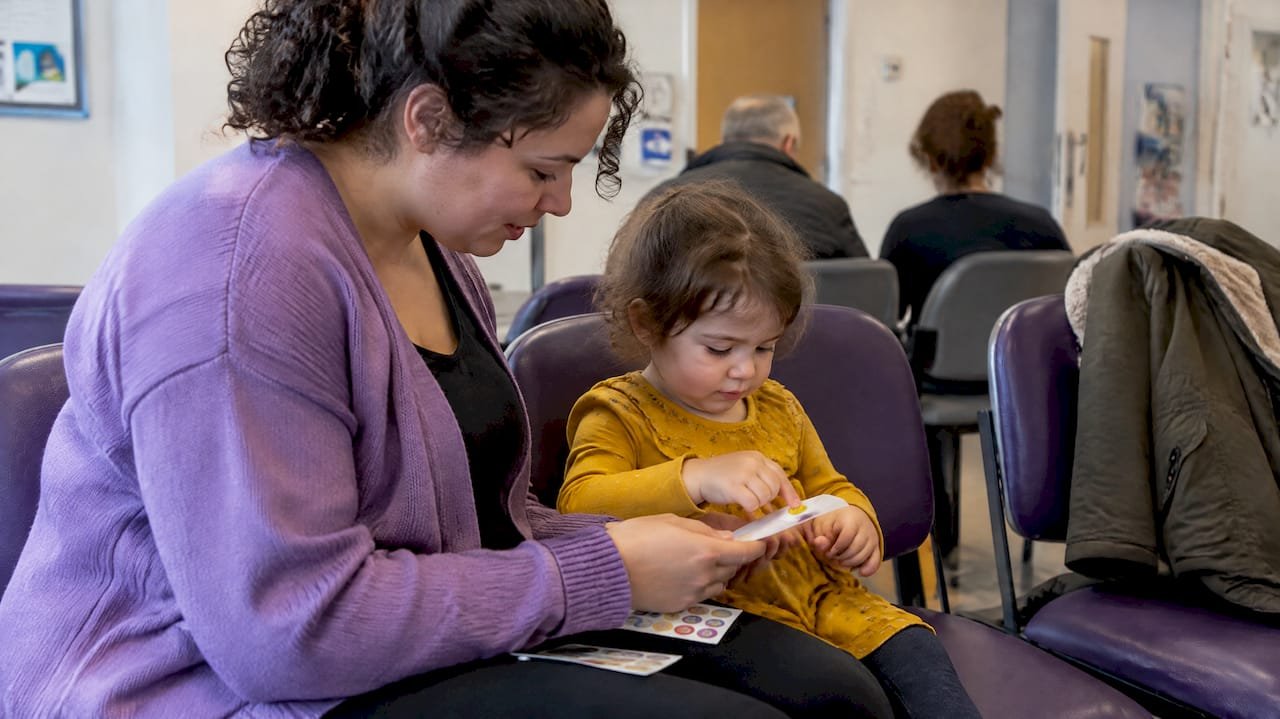
The best waiting room toddler activities are quiet, low-mess and use items you already own, paired with a tiny waiting-only kit. Pick one talking game, one hands-on item and one calming item, and supervise any snacks closely. Choose wipeable toys without small parts. If you want fresh ideas matched to your child’s age without planning, we built Mooshie Moments for exactly that.
TL;DR:
- Start with a talking game, switch to a hands on activity when restlessness begins, and save a calming item for the final stretch.
- Children under 5 should avoid popcorn, whole nuts, marshmallows, and boiled sweets; cut grapes and cherry tomatoes lengthwise, and supervise eating while they sit.
- Exclude toys with small parts or button batteries, check for loose coins or broken pieces, and favor hard, wipeable items used only by your child.
- Keep an appointment bag stocked by the door, reveal it only on arrival, and rotate a couple of items occasionally to preserve novelty.
Table of Contents
- Which quiet activities work best for toddlers in a waiting room?
- What safety and hygiene rules should you follow while you wait?
- How do you pack a tiny waiting-only kit?
- What are toddlers learning while they wait?
- Why start with just one reliable item?
- How does Mooshie Moments make waiting easier?
- FAQ
- Sources
Which quiet activities work best for toddlers in a waiting room?
Waiting rooms are small, shared and often silent, so the winning activities are the ones that need almost no space and make almost no noise. Here they are, grouped by type, with an age tweak for each.
Verbal games (no props needed)
- I Spy with colors: Say “I spy something blue” and let your toddler point. For 12–24 months, stick to one obvious color and celebrate every point. From 24–36 months, add a second clue like “blue and round.”
- What’s missing? Line up three things from your bag, hide one and ask what vanished. Younger toddlers can simply find the “gone” item with your help. Older toddlers can name it.
- Sorting talk: Ask “Can you find something that goes on feet?” using the pictures in a magazine or poster. At 12–24 months, name the picture yourself. At 24–36 months, let them answer.
Small hands-on items
- Sticker pad: Let your toddler stick onto a paper sheet or the back of their own hand. Peel-and-stick is a great fine motor workout. Younger toddlers may need you to loosen the sticker corner. Older ones can sort by shape.
- Magnetic drawing board: A wipeable board gives you zero mess and endless scribbling. At 12–24 months, offer chunky strokes. At 24–36 months, draw a circle and ask them to add a face.
- Chunky figures: One or two big animals or people become a tiny story. Keep them too large to fit in a mouth.
- Textured fidget keychain: Hard, wipeable and quiet in a pocket. Great for the last five minutes when patience runs thin.
Paper activities
- Disposable coloring sheets: Fold one in your bag and let your toddler use a chunky crayon. Offer one crayon at a time to keep the mess small.
- Catalog scavenger hunt: Flip through a free magazine and hunt for dogs, cars or something red. Younger toddlers just tap pictures. Older toddlers can tell you what they found.
- Paper plate faces: Draw a plain face and let your toddler add stickers for eyes and a nose.
Quiet pretend play
- Give your child a small role: feed a toy animal, tuck it in, or pack a mini bag for a “trip.” Around 12–24 months, copy their actions and add words. By 24–36 months, add a second step like “now it’s time to sleep.”
Seated movement
- Quiet dinosaur: Practice a big, loud roar, then a tiny whisper roar. Zero to Three describes loud versus quiet dinosaurs as a simple way to practice self-control.
- Finger olympics: Wiggle, tap, wave and clap with just your fingers. Try the whisper version for toddlers who need to stay very still.
- Hand-clap songs: Slow, soft versions of familiar songs work well. Younger toddlers will enjoy your actions. Older toddlers can lead.
Zero to Three also suggests small-scale movement games that let toddlers use up energy without disturbing anyone.
The “pick 3” rule: Choose one talking game, one hands-on item and one calming item. Start with the talking game, move to the hands-on item when your toddler gets restless, and save the calming item for the final stretch. Our calming activities are handy for that last slot.
Pro Tip: Hold back a favorite item until the wait starts to feel long. A surprise at the right moment beats five items thrown out at the start.
What safety and hygiene rules should you follow while you wait?
Waiting often means snacks, and snacks mean choking risk. A few simple habits keep things safe.
NHS guidance warns that children under 5 should avoid popcorn, whole nuts, marshmallows and boiled sweets. Skip these in the waiting room and keep your toddler seated while they eat.
- Supervise every bite, and have your toddler sit down to eat.
- Cut grapes and cherry tomatoes lengthwise before you leave home.
- Pack small, low-sugar, low-salt portions in a resealable tube, in line with public snack guidance for 1–4 year olds.
- Skip toys with small parts or button batteries, and glance over the seating area for loose coins or broken pieces. The NHS lists these among common baby and toddler safety hazards.
- Choose hard, wipeable toys, and keep wipes or hand sanitizer within reach. Disposable sheets and a personal sticker pad beat anything shared.
How do you pack a tiny waiting-only kit?
A waiting-only kit is a small bag of items your toddler only sees at appointments. Because they never see them at home, the novelty does the work for you. Zero to Three notes that rotating toys and choosing open-ended items helps extend engagement.
What goes inside (choose a few items, none with small parts):
- Sticker pad
- Small wipeable drawing board
- Soft cloth book
- One set of chunky figures
- Disposable coloring sheet and one chunky crayon
- Resealable snack tube
- Small fidget
Pack it quickly:
- Keep the bag by the door, already stocked.
- Check that every item is too big to fit in a mouth.
- Add one fresh coloring sheet.
- Tuck in wipes and the snack tube.
- Zip it up and hand it over only when you reach the waiting room.
Pro Tip: Swap a couple of items from time to time. The bag stays light and the surprise stays real.
If your child needs seated play, our seated activities fit neatly into the same kit.
What are toddlers learning while they wait?
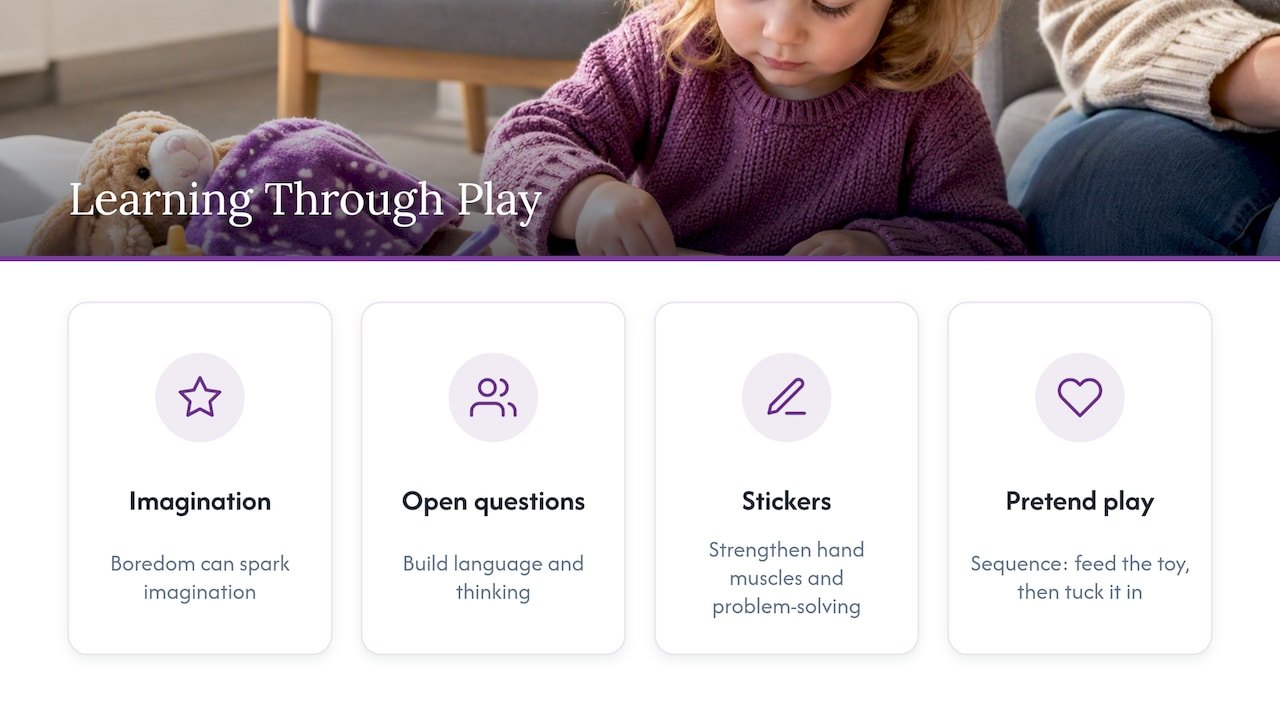
Waiting does not have to be wasted time. Zero to Three explains that toddler boredom can spark imagination, and that open-ended questions during play build language and thinking. Talking games grow vocabulary and back-and-forth chat. Stickers and figures strengthen small hand muscles and problem-solving. Quiet pretend play teaches sequencing: first feed the toy, then tuck it in. Narrate what your toddler does and ask “what happens next?” Our guide on narrating play shows how. If you are curious about speech milestones, this age-by-age guide to language delay signs makes useful further reading.
Why start with just one reliable item?
Waits are tiring for you too. Our advice is simple: forget the perfect bag and start with one item your toddler loves, such as a sticker pad kept only for appointments. Add a second item once the first feels easy, and lean on ideas that were built with developmental research in mind rather than inventing games on the spot. You do not need to fill every minute. A few calm, shared moments are plenty.
— samit
How does Mooshie Moments make waiting easier?
Mooshie Moments gives you quick, screen-free ideas for toddlers aged 6 months to 4 years, tailored to your child’s age and the time you have. Every idea uses things you already have at home, and each one explains the developmental “why” in plain language.
- Instant ideas the moment the receptionist says “it will be a little while.”
- Low-prep activities that make it easier to keep your waiting-room kit light.
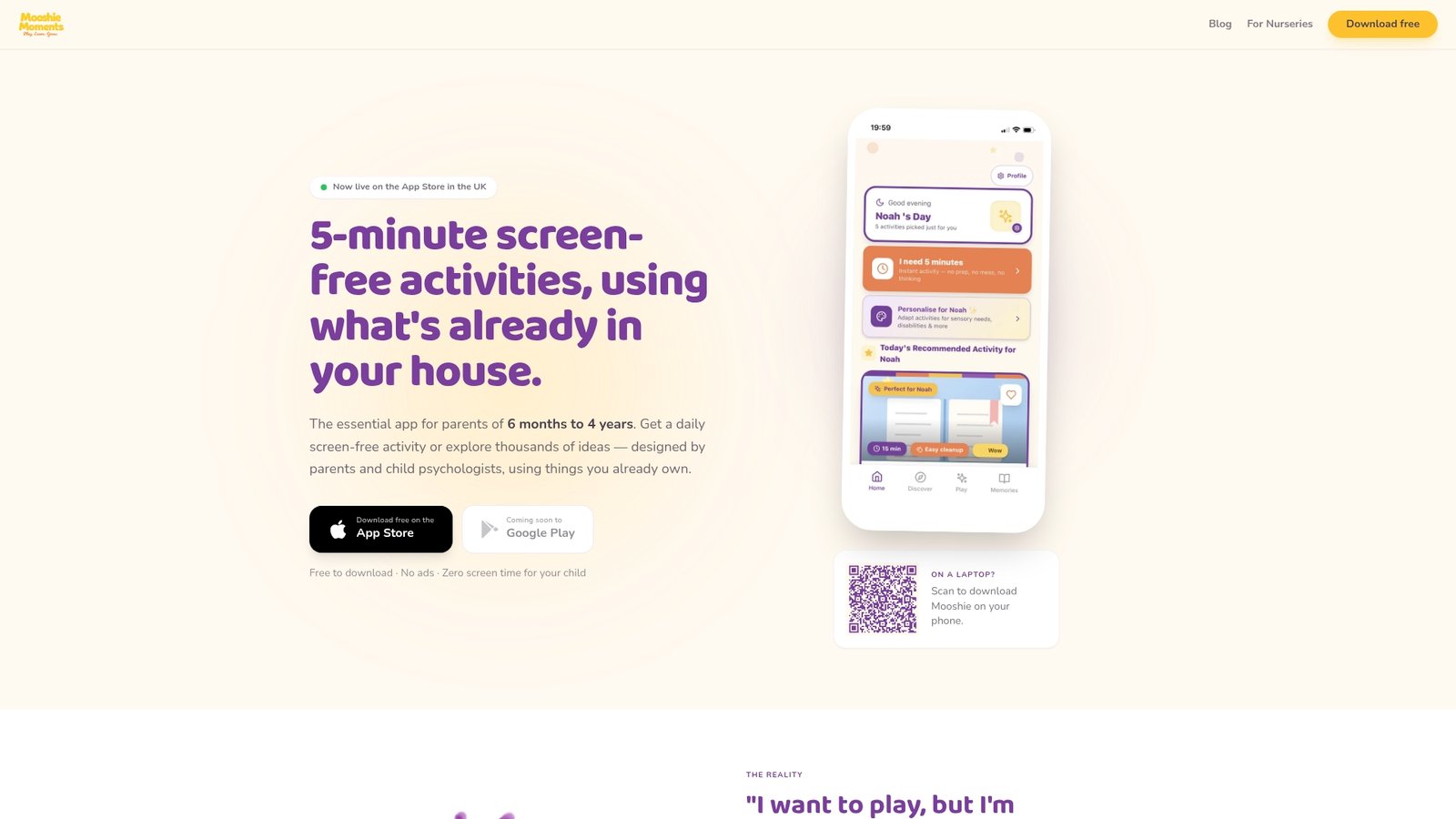
Next time you head out, open the app, pick an activity for your toddler’s age and see how our low-prep toddler activities by skill area fit into your wait.
This article is general information, not a substitute for advice from a qualified doctor. Consult a qualified healthcare professional about your own circumstances before acting on anything here.
FAQ
What are some fun games to play in a waiting room?
Quiet talking games work best, such as I Spy, “what’s missing?” and whisper-roar dinosaurs. Pair one with a sticker pad or magnetic drawing board for hands-on fun. These need almost no setup and keep noise low.
How do I keep a toddler entertained without a screen?
Use a waiting-only kit with a few wipeable, small-part-free items they only see at appointments. Rotate one or two items regularly so the novelty lasts. Add a short talking game when they begin to fidget.
Which snacks are safe for toddlers in a waiting room?
Choose small, soft, low-sugar and low-salt snacks, and cut grapes and cherry tomatoes lengthwise. Avoid popcorn, whole nuts, marshmallows and boiled sweets, as NHS guidance advises for children under 5. Always have your toddler sit while eating.
How can I make waiting-room toddler activities less messy?
Choose wipeable boards, peel-and-stick stickers and one chunky crayon at a time. Carry wipes and a resealable bag for used sheets. Disposable paper activities keep cleanup to a single bin trip.
Sources
Recommended
- Buy 5 to 30 Minutes Now: Quick Toddler Activities for UK Parents
- Busy Parents: 12 No Prep Shopping Activities for Toddlers
- Montessori Toddler Activities for UK Homes: 16 Ideas, No Shopping
Want a new idea every day, matched to your child's age?
Mooshie Moments gives you simple, guided play ideas for ages 6 months to 4 years.
Download free on the App StoreMore like this

Ice Play Activities for Toddlers: 12 Easy, Safe Ideas
Simple ice play activities for toddlers using things you already have at home, with safety tips for choking and cold, plus ideas…
Cardboard Box Toddler Activities: 12 Ideas by Age
Twelve cardboard box activities for babies and toddlers, sorted by age, with safe prep tips and ideas for tubes too. No shopping,…
Best Boredom Busters for Toddlers: Easy, Screen-Free Ideas
Screen-free boredom busters for toddlers using things you already own: quick ideas by time and energy, set-up tips and honest advice for…