STEM and Science Activities for Toddlers and Preschoolers

SKILLS AND LEARNING · 6 MONTHS TO 4 YEARS

STEM and Science Activities for Toddlers and Preschoolers

STEM activities for toddlers grouped by science, technology, engineering and maths, from the Mooshie Moments app. Try one today with things you own.

  • Free to download
  • No account needed
  • No screen time for your child
QR code to download Mooshie MomentsOn a laptop?
Scan to get Mooshie on your iPhone.
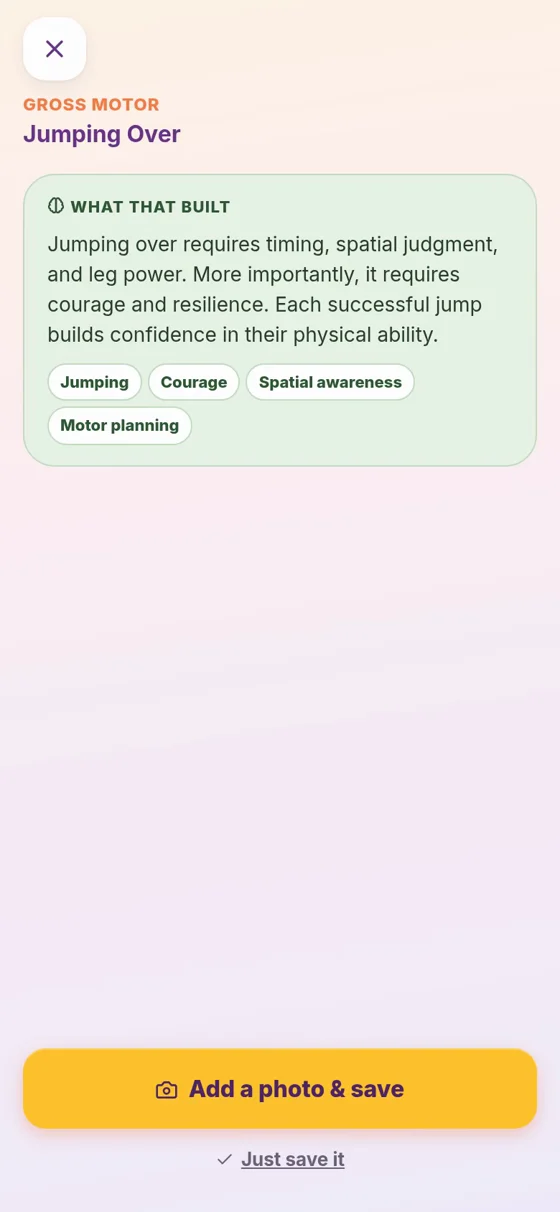
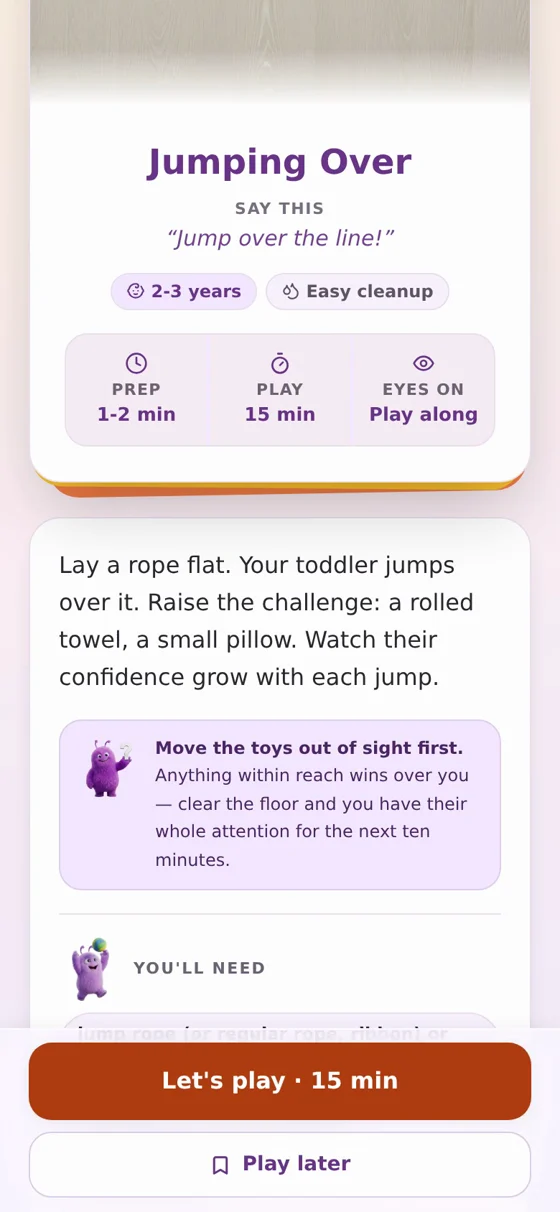
What that built screen showing the skills an activity practisedMooshie activity screen with Say this words to use
11free ideas on this page
5,918activities for 6 months to 4 years
Say thisthe exact words on every activity
0child details uploaded, ever

STEM activities for toddlers don’t need a lab coat, just a question worth asking. “What do you think will happen?” turns an ordinary bottle of water or a cardboard box into a proper experiment, and your toddler is already wired to want the answer.

Below are eleven STEM activities from the Mooshie Moments app for children aged 6 months to 4 years, grouped by science, technology, engineering and maths. Each uses things from around the house, takes 5 to 20 minutes, and comes with the exact words to say to spark a bit of predicting.

Science: will it, or won’t it?

2 to 320 minutes

1. Cornstarch Goo

The question it answers: can something be solid and liquid at the same time?

Mix cornflour and water into a thick paste. Squeeze it hard and it feels solid, let it go and it turns to liquid in your hand. Sit back and let your toddler lead the exploring.

You’ll need: cornflour, water, a container

Say this: “Squeeze a handful up tight.” · “It went runny when you let go.” · “Your hands go straight in the sink.”
1 to 215 minutes

2. Magnet Metal Stick

The question it answers: what will the magnet stick to?

Paperclips are small enough to swallow, so hand them over one at a time and keep the rest well out of reach.

You’ll need: a large magnet, metal household objects

How to play
  1. Lay out a wooden spoon, a metal pot and some paperclips on a low table.
  2. Hold the magnet near the spoon first and ask “Will it stick?”
  3. Try the metal pot, then let them hold the magnet themselves.
  4. Talk about which objects jumped and which didn’t.
3 to 410 minutes

3. Mirror Angle Discoveries

The question it answers: where will the light go?

In a sunny patch, let your toddler angle a small mirror and guess where the reflected light will land before they move it. Try it flat, then tilted, then turned, and talk about how every angle sends the light somewhere new. Never let them shine reflected light straight into anyone’s eyes.

You’ll need: a small unbreakable mirror, a sunny spot

Say this: “Make a guess, will it bounce to the wall or the floor?” · “Look, the light moved!”
2 to 315 minutes

4. Squishy Bowl Wonder

The question it answers: what does cold and slippery feel like?

Fill a shallow bowl with cool water, big ice cubes and pieces of sponge. Sit within arm’s reach, and let them scoop the pieces from one bowl to another with a spoon. Never use water beads for this or any activity: a swallowed bead swells inside the body and is a genuine medical emergency.

You’ll need: a container, ice cubes, a sponge

1 to 215 minutes

5. Pendulum Swing

The question it answers: can you catch something that’s still moving?

Tie a ball to a length of string no longer than 15cm and swing it slowly. Let your toddler track it with their eyes before you slow it down and let them try to catch it. Keep the string short and supervise throughout, as loose cords are a strangulation risk.

You’ll need: a ball or toy, string

Say this: “Watch it fly!” · “Can you follow it?”

Technology: simple tools that do a job

6 to 12 months10 minutes

6. Stacking Tubes Toy

The question it answers: what happens to something once it goes in the top?

Join two or three tubes end to end to make a chimney and rest it on the floor in front of your baby. Post a scarf in at the top and let them watch it land, then let them post it themselves. Only ever post fabric through the tube, never loop it round your baby, since loose fabric near a crawling baby is a real risk.

You’ll need: 5 to 6 cardboard tubes

Say this: “Watch the bottom.” · “Out it comes.”
6 to 12 months10 minutes

7. Tethered Ball Returns

The question it answers: what happens when you hit it?

Tie a soft ball to a two-foot length of string and hang it securely from a high chair tray, within your baby’s reach. When they swat it, it swings away, and a moment later it swings straight back. Test the knot yourself first and keep the string out of reach when you’re not supervising.

You’ll need: a soft ball, string, a high chair or shelf

6 to 12 months20 minutes

8. The Tissue Pull

The question it answers: where does the fabric keep coming from?

Keep the knots secure and stay close while they play.

You’ll need: an empty tissue box, fabric scraps tied together

How to play
  1. Tie fabric scraps together in a long chain and stuff it into the box.
  2. Leave one end poking out and let your baby pull.
  3. Stuff it back in together and let them pull it out all over again.

Engineering: build it, then test it

2 to 35 minutes

9. Book Ramp for Cars

The question it answers: does a steeper hill make the car go faster?

Lean a book against your knee or a low box to make a ramp, and let your toddler put a car at the top and let go. Raise the ramp higher and race a second car down to compare. Use a car too big to fit in their mouth.

You’ll need: a hardback book, a toy car

Say this: “Right at the top, then let go.” · “Now the hill is steeper.”
3 to 425 minutes

10. Cardboard Car

The question it answers: can we build something we can actually get inside?

You’ll need: a large cardboard box, paper plates, brads, markers

How to play
  1. Cut a window in the box so your toddler can see out.
  2. Attach paper plate wheels using brads, and push the sharp ends flat and tape over them.
  3. Decorate with markers and add headlights.
  4. Climb in and steer around the living room together.
Say this: “Beep beep, here comes the car!” · “Where shall we drive to?”

Maths: sorting, matching and listening for patterns

2 to 315 minutes

11. Sound Shaker Sort

The question it answers: which two sound the same?

Part fill small containers with different fillings, glue and tape every lid, and test each one yourself before handing them over. Offer two very different shakers first, then make a matching pair for each filling and see if your toddler can pair up the sounds.

Every shaker needs its lid glued, taped and checked before each session, and any container with a loosened lid should be binned rather than reused.

You’ll need: small containers, rice, beans, bells, sticky tape, glue

Say this: “Give that one a good shake.” · “That one is quiet, try the next.”

Questions parents ask

What counts as a STEM activity for a toddler?

Anything where your toddler notices a cause and an effect counts: dropping, pouring, magnets, ramps and simple building are all early STEM thinking. You don’t need equipment or a plan, just a question and a moment to let them test it.

How do I encourage predicting, not just doing?

Ask “What do you think will happen?” before the interesting part happens, then let them find out. Getting it wrong is just as useful as getting it right, so try not to correct a guess, simply let the activity answer the question itself.

Are science experiments safe for a 2 year old?

Most of the ideas above use everyday household items and need nothing more dangerous than water, cardboard or a magnet, but always supervise closely and check anything small enough to swallow, particularly magnets, paperclips and shaker fillings.

What’s the difference between STEM and messy play?

They often overlap: mixing cornflour and water is both sensory play and a lesson in states of matter. STEM simply adds a question on top of the mess, so your toddler is testing an idea rather than only exploring a texture.

How long should a STEM activity last?

Most of the activities here take 10 to 20 minutes including set-up, but follow your toddler’s interest. If they want to repeat the same experiment six times in a row, that’s real scientific practice, not boredom.

Mooshie is a play app, not medical advice. If you’re worried about your child’s development, speak to your health visitor or GP.

Hundreds more ideas like these are waiting in the app.

Plus one picked for your child every day, matched to their age and how today is going.

LOVED BY FAMILIES

Parents and experts on Mooshie

“I used to spend 30 minutes looking for an activity on Pinterest, get overwhelmed, and just turn on the TV. Mooshie takes 5 seconds.”
Sarah J.Mum of a 2-year-old
“Finally, an app that tells me to put my phone away. The activities are actually doable with stuff I have in my junk drawer.”
Mark D.Dad of two
“As a pediatric OT, I love that these activities build core developmental skills without feeling like ‘homework’ for parents.”
Dr Emily R.Paediatric occupational therapist
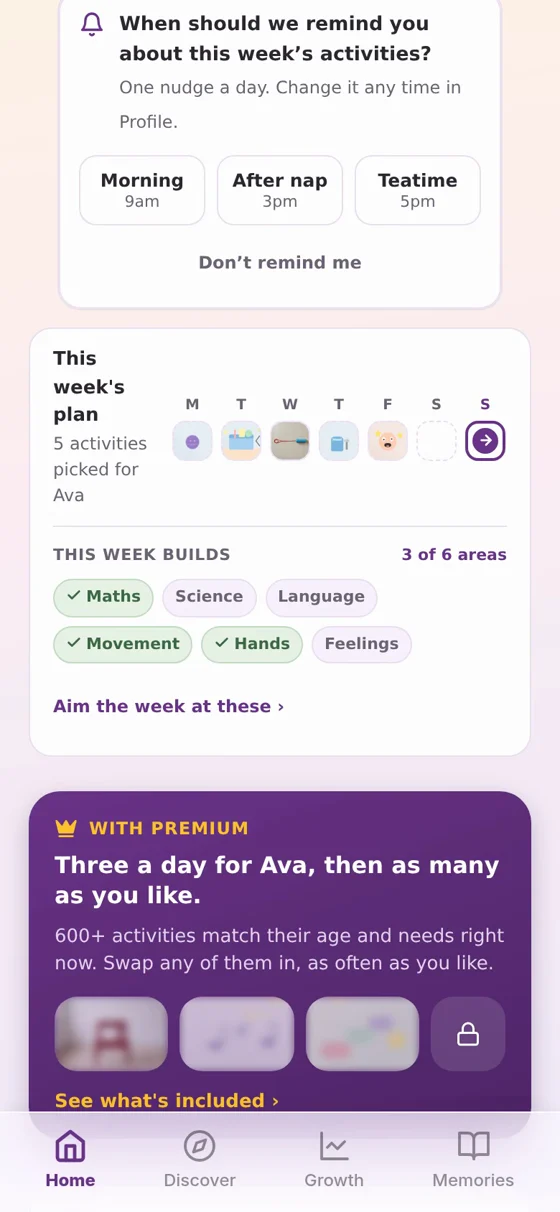
This week's plan showing five activities and the areas they build
HOW MOOSHIE HELPS

How Mooshie helps with everyday science

Mooshie picks one activity for your child’s age and stage each day, and every one tells you the prep, play and “eyes on” time so you know whether a rainy afternoon needs 10 minutes or 20. After playing, tapping “We’re done” shows you what skills that activity actually built.

  • 5,918 activities for ages 6 months to 4 years, using things already at home, no shopping list required.
  • A weekly plan covers six areas including science and maths, so your child gets a spread of thinking, not just one kind of play.
  • Every activity comes with “Say this” phrases, so you always know how to open the conversation, even before your first coffee.
  • Free to start: a new activity every day on iPhone, no account needed, with Android on the way.

Think of it as a playbook for grown-ups. Check the idea in 30 seconds, put the phone away, and let your toddler run the experiment.

Make memories. Build skills. Play together.

Your first moment is ready as soon as you tell us their age.

Mooshie MomentsFree on iPhone
Get it free