Music Activities for Babies and Toddlers

SKILLS AND LEARNING · 6 MONTHS TO 4 YEARS

Music Activities for Babies and Toddlers

Music activities for toddlers using a kitchen band and simple songs, from music boxes for babies to rhythm and pitch games for preschoolers.

  • Free to download
  • No account needed
  • No screen time for your child
QR code to download Mooshie MomentsOn a laptop?
Scan to get Mooshie on your iPhone.
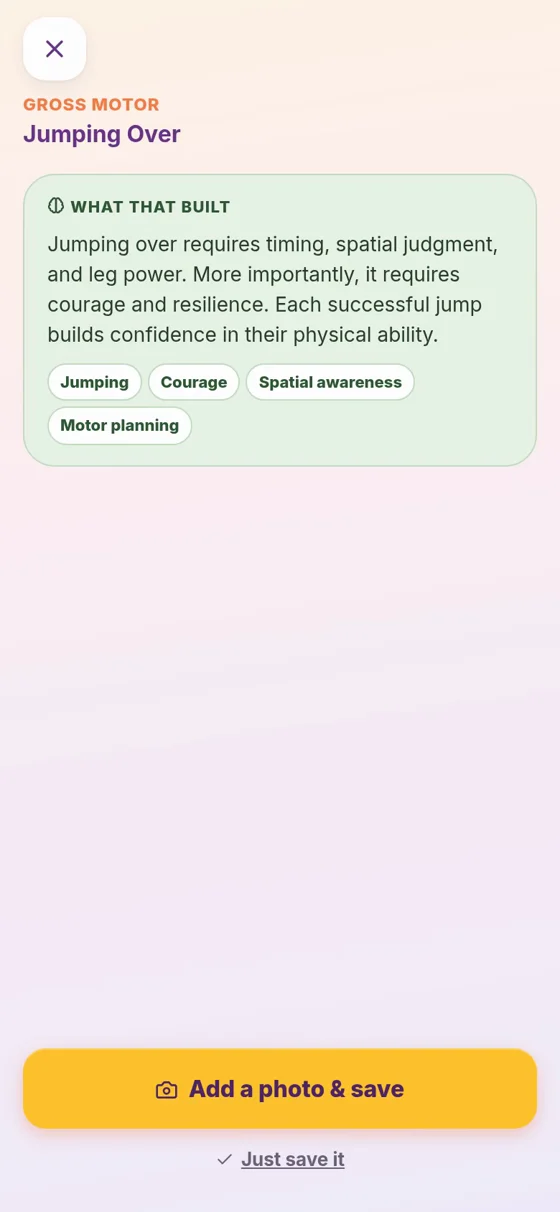
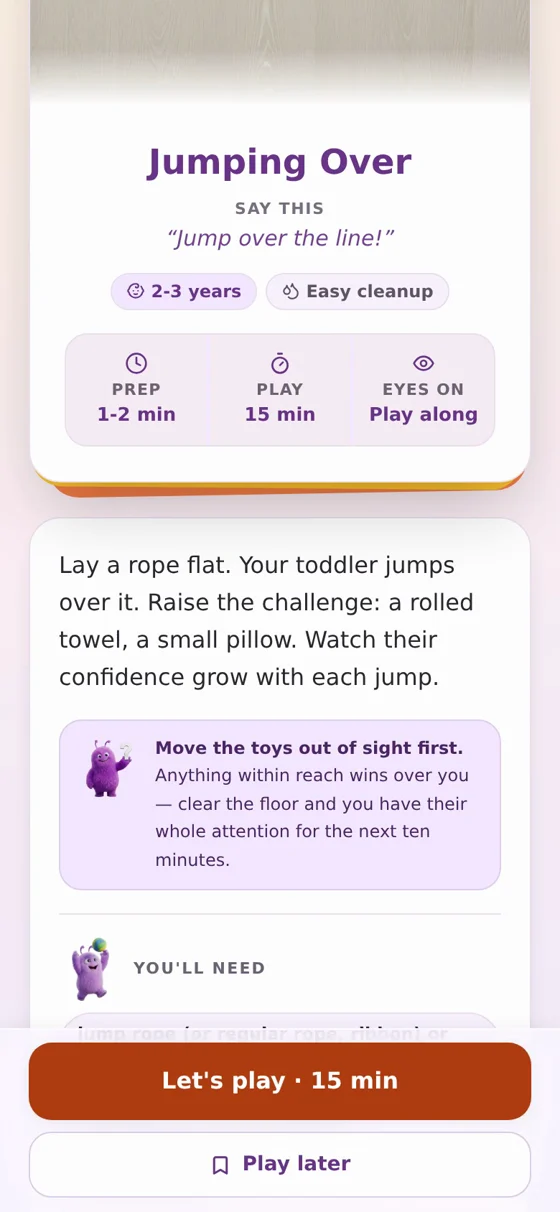
What that built screen showing the skills an activity practisedMooshie activity screen with Say this words to use
11free ideas on this page
5,918activities for 6 months to 4 years
Say thisthe exact words on every activity
0child details uploaded, ever

Music activities for toddlers do not need an instrument shop: a wooden spoon, a saucepan and your own voice will get you most of the way there. Babies and toddlers respond to rhythm and melody almost before they respond to words, which makes music one of the easiest ways to connect, calm down or burn off energy, depending on the day.

Below is a simple kitchen band to build first, followed by eleven songs and rhythm games from the Mooshie Moments app for children aged 6 months to 4 years. Everything uses things you already own, and each activity comes with the words to say while you play.

Build a kitchen band

You do not need real instruments to make real music. A few household items, played properly, give a toddler everything they need to explore rhythm.

Drums:

an upturned saucepan or biscuit tin, played with a wooden spoon.

Shakers:

a small bottle with a tight lid, half filled with dried rice or pasta.

Cymbals:

two saucepan lids, banged together.

A string section:

elastic bands stretched over an empty tissue box, plucked gently.

Line the instruments up, put on some music, and let your child move between them freely. There is no wrong way to play in a kitchen band.

Music for babies: 6 to 12 months

6 to 12 months10 minutes

1. Music Box Wonder

Wind up a music box and let your baby simply watch and listen. Point out what they notice, “Do you hear the music?”, but otherwise let the sound be the whole activity. Some babies sway or bounce, others go very still and watch intently. Both are exactly right.

You’ll need: a music box or musical toy

Say this: “Listen to the music!” · “Tinkly, tinkly!” · “Hear that sound?”

Songs and movement for 1 to 2 year olds

1 to 2

2. Blanket Peek Game

You’ll need: a soft blanket

How to play
  1. Sit your toddler facing you and drape the blanket over your own head, never theirs. Say “Where have I gone?”
  2. Count slowly: “One, two, three.”
  3. Pull it off with a big smile and say “Peek-a-boo!”
  4. On later rounds, lay the blanket across their knees so they can pull it off themselves.
1 to 2

3. Copycat Dance Celebration

Do a simple movement, raising your arms, spinning, stomping, and ask “Can you do this?” Celebrate any attempt at a copy, however loose, then swap to a new move. Four to six rounds is usually enough before interest fades.

You’ll need: music, optional

1 to 210 minutes

4. Animal Sounds Song

Sing a simple song with animal sounds, “Old MacDonald” or one you make up, and pause to ask “What does the cow say?” Celebrate any attempt at “moo”, however vague. Add a movement for each animal, jumping like a dog or waddling like a duck, to bring the whole body into it.

You’ll need: nothing, or a picture book of animals

Rhythm games for 2 to 3 year olds

2 to 3

5. Ribbon Streamer Dance

Tie ribbons to a stick, or straight onto your child’s wrist, and let them move freely while the ribbons flutter behind them. Music is optional; their own movement is usually enough to make it magical.

You’ll need: a stick or dowel, colourful ribbons, tape

2 to 310 minutes

6. Stop and Go Kitchen Disco

You’ll need: a tea towel, music from a phone or speaker

How to play
  1. Put music on and leave it playing throughout. Hold up a tea towel: “Towel up, we dance.”
  2. Drop the towel on the floor and freeze completely, with the music still going.
  3. Wait until your child notices, without saying anything.
  4. Pick the towel up and dance again, dropping it sooner or further away each round.
Say this: “Towel up, we dance.” · “Towel down, we stop.” · “Freeze right there!”
2 to 315 minutes

7. Body Part DJ

Put music on and call out one body part at a time, “Arms!”, moving only that part in time with the beat. Switch every fifteen seconds or so: legs, head, fingers, before finishing with a whole-body dance and a big celebration when the song ends.

You’ll need: music

2 to 315 minutes

8. Simon Says Music

Sing a familiar song slowly and let your child move however feels natural, then add one movement cue into the song, “When I sing jump, we jump!” Repeat the same song and action combination several times so the rule has time to stick.

You’ll need: space to move

Hundreds more ideas like these are waiting in the app.

Plus one picked for your child every day, matched to their age and how today is going.

2 to 310 minutes

9. Singing Scarves Dance

Hand your child a soft scarf and sing a slow, simple tune such as “Twinkle Twinkle”. Wave your own scarf up high on high notes and low on low notes, exaggerating the movement so they can see the connection between sound and motion. Finish by letting the scarves float down as you hum the last note softly.

You’ll need: lightweight scarves or fabric strips

Musical ears for 3 to 4 year olds

3 to 415 minutes

10. Learning Do, Re, Mi

Sing the first three notes of the scale, do-re-mi, and explain simply that they go up in sound. There is no need to remember the names; just let your child hear the pattern of low, middle and higher notes a few times over.

You’ll need: your voice, or a piano or xylophone

3 to 415 minutes

11. Pitch Matching

You’ll need: a piano or xylophone, or glasses filled with different water levels

How to play
  1. Make a high sound with your voice, “Eeee!”, and ask your child to copy it.
  2. Make a low sound, “Oooo!”, and ask for a low copy too.
  3. Go back and forth between high and low several times.
  4. Introduce a middle sound once they have the idea of the two extremes.

Why music matters beyond the fun of it

Music leans on many of the same skills as early language and early maths. Listening for a beat is a form of pattern spotting, which is one of the building blocks of maths, and singing along with songs builds vocabulary and the rhythm of spoken sentences in a low-pressure way. None of that needs explaining to your toddler: it happens simply because the song was fun enough to repeat.

LOVED BY FAMILIES

Parents and experts on Mooshie

“I used to spend 30 minutes looking for an activity on Pinterest, get overwhelmed, and just turn on the TV. Mooshie takes 5 seconds.”
Sarah J.Mum of a 2-year-old
“Finally, an app that tells me to put my phone away. The activities are actually doable with stuff I have in my junk drawer.”
Mark D.Dad of two
“As a pediatric OT, I love that these activities build core developmental skills without feeling like ‘homework’ for parents.”
Dr Emily R.Paediatric occupational therapist
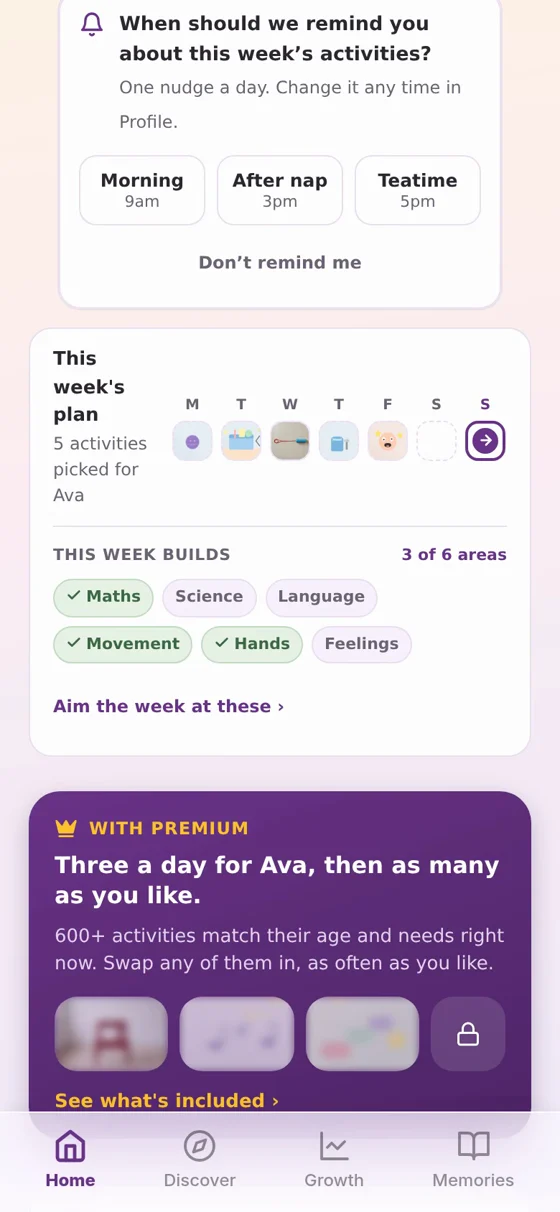
This week's plan showing five activities and the areas they build
HOW MOOSHIE HELPS

How Mooshie helps with music and language

Music and rhythm activities like these sit inside Mooshie Moments’ library of 5,918 activities for children aged 6 months to 4 years, all using things already at home.

  • The weekly plan includes language as one of its six areas, alongside maths, science, movement, hands and feelings, so singing and rhythm get a proper place in the week.
  • Every activity comes with “Say this” phrases and timings, so you always have the words ready, even for a song you have half-forgotten the tune to.
  • You can add hearing impairment as an additional need, and the app will surface visual and vibration-based alternatives where relevant.
  • Zero cost to start, a new activity daily, and no account needed.

Questions parents ask

Does music actually help language development?

Songs are widely thought to support early language, since they slow speech down, repeat words often, and add rhythm that makes them memorable. It is not a substitute for talking and reading together, but it is a useful part of the mix.

What age should I start music activities?

From birth, really, though the games change shape as your child grows. A newborn responds to your voice and simple melodies; a 3 year old can start matching pitch and following a beat.

My toddler just bangs things loudly instead of “playing” music. Is that okay?

Completely. Banging is how toddlers explore volume, rhythm and cause and effect. There is plenty of time later for anything gentler.

Do I need to be musical myself?

No. Your toddler is not judging pitch accuracy. What matters is your voice, your attention and your willingness to sing the same song for the tenth time that week.

How can I make music activities work for a child with hearing loss?

Add visual and vibration cues, such as clapping hands your child can see, coloured scarves that move with the beat, or feeling a drum vibrate through their hands. Our page on activities for deaf toddlers has more ideas along these lines.

Mooshie is a play app, not medical advice. If you’re worried about your child’s development, speak to your health visitor or GP.
Make memories. Build skills. Play together.

Your first moment is ready as soon as you tell us their age.

Mooshie MomentsFree on iPhone
Get it free