Activities for Deaf Toddlers and Children with Hearing Loss

ADDITIONAL NEEDS · 6 MONTHS TO 4 YEARS

Activities for Deaf Toddlers and Children with Hearing Loss

Activities for Deaf toddlers and children with hearing loss, using sight, touch and vibration, with BSL signing games and visual attention tips.

  • Free to download
  • No account needed
  • No screen time for your child
QR code to download Mooshie MomentsOn a laptop?
Scan to get Mooshie on your iPhone.
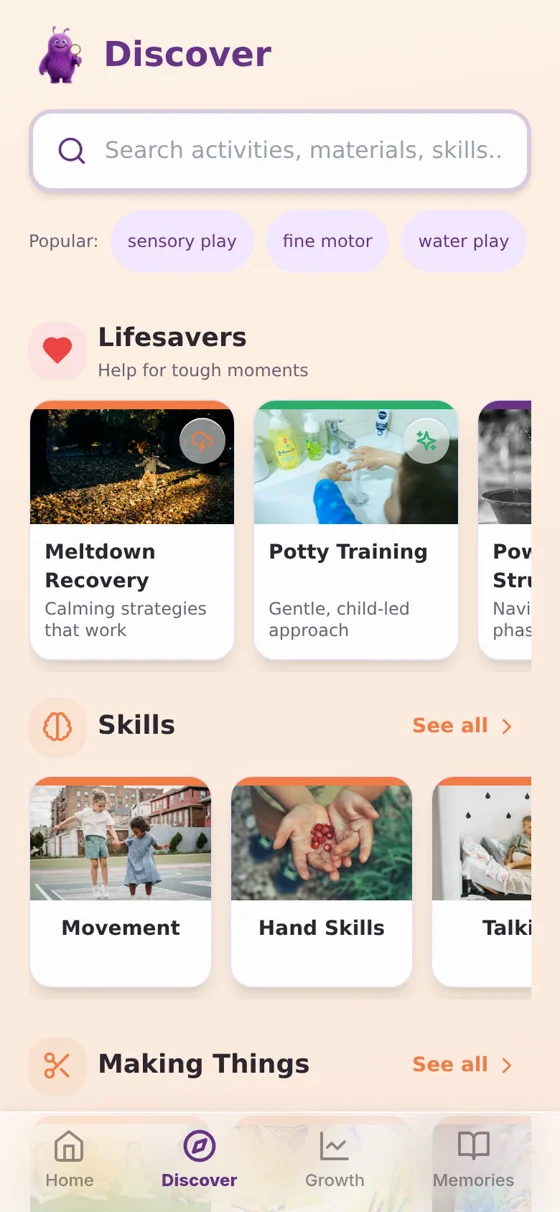
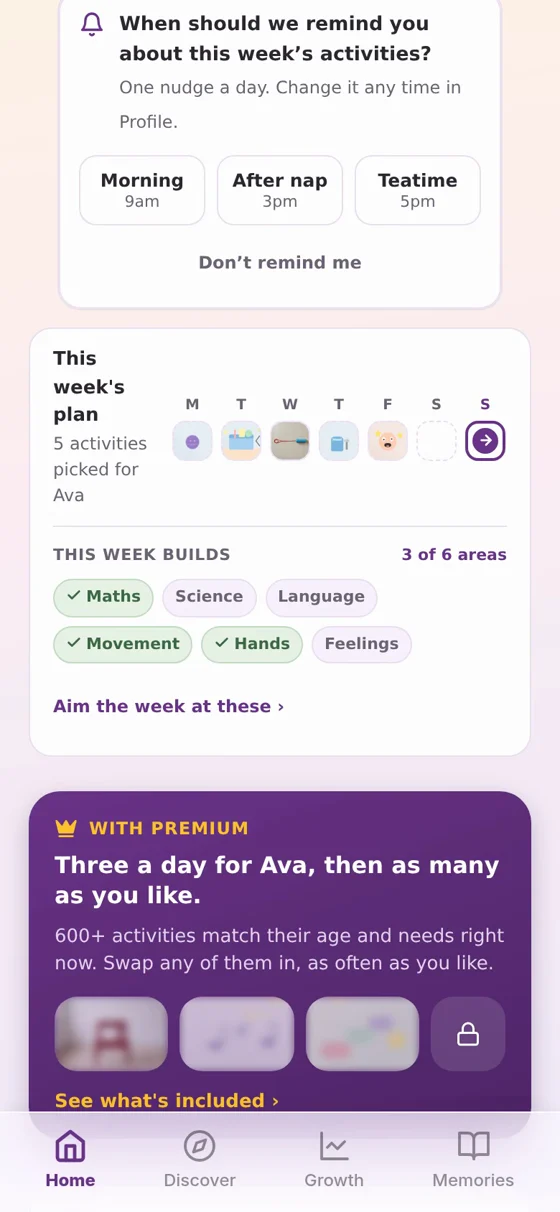
Mooshie Discover screen with Lifesavers for meltdowns and potty trainingThis week's plan showing five activities and the areas they build
5,918activities, adapted to your child
13additional needs you can add
Filteredwhat won’t suit them is left out
0child details uploaded, ever

Activities for Deaf toddlers and children with hearing loss work best when sight, touch and vibration carry the message instead of sound. A word doesn’t have to be heard to be learned. Vibration through a floor, a big expressive face, a bright colour held up at just the right moment: all of it counts as communication.

The ten ideas below come from the Mooshie Moments app, for ages 6 months to 4 years. Each uses ordinary things from around the house, takes about 10 minutes, and comes with the words and signs to pair with the play. We use “Deaf” with a capital D here where it refers to the Deaf community and its language, and “deaf” for hearing loss more generally, following the convention many families and organisations use.

A few habits that help with any activity

Get their visual attention first.

A gentle tap on the shoulder or arm, then wait for eye contact, before you start signing or showing anything.

Speak and sign face to face.

Lip patterns and facial expression carry meaning that a voice from behind or the side simply can’t.

Use BSL if your family is learning it.

British Sign Language is a full, rich language in its own right, not a simplified stand-in for speech.

Exaggerate your face, on purpose.

A big surprised face or a wide happy smile does the job that tone of voice does for a hearing child.

Getting and keeping visual attention

Most instructions in a hearing household happen by voice, often from another room. None of that reaches a Deaf child, so these games build the habit of checking in visually before anything starts.

3 to 410 minutes

1. Find the Colour

You’ll need: bright coloured toys or blocks

How to play
  1. Hide three or four bright objects around the room in plain sight, not truly hidden.
  2. Get their attention with a gentle shoulder tap, wait for eye contact, then point and mouth the colour with a big smile: “find red”.
  3. Let them search. When they spot it, tap their shoulder again and celebrate with a big grin and a thumbs up.
  4. Repeat with each object, letting them choose the next colour to hunt.
Sign and say: “Find the red!” · “You found it!” · “Next colour?”
2 to 310 minutes

2. Chase the Light

In a slightly dimmed room, move a torch beam slowly across the wall in a circle and watch your child’s eyes or hand follow it. Tap their shoulder before moving it to a new spot, so they learn to check back with you rather than losing the thread. Once they’ve watched a few rounds, help them hold the torch and move it themselves.

You’ll need: a torch or glow stick, a light wall, a dim room

1 to 210 minutes

3. Roll and Watch

Sit facing your child with legs out in a V shape, making a natural lane for the ball. Roll it slowly and watch their face as it comes towards them, tapping their shoulder and beaming when they touch or catch it. Rolling it back and forth without any spoken cue builds the same back-and-forth rhythm that conversation depends on later, whether spoken or signed.

You’ll need: a large, bright soft ball

Vibration and rhythm

Rhythm doesn’t need to be heard to be felt. A floor that shakes underfoot or a container that rattles in the hand delivers the same beat through touch.

3 to 410 minutes

4. Stomp and Scarf Dance

Stand facing your child holding scarves at chest height, then stomp hard on the floor while waving the scarf dramatically. Put their hand flat on the floor so they feel the vibration as you stomp together, then hand them a scarf and let them set the pace, fast or slow. Big facial expressions with every stomp turn the rhythm into a proper back-and-forth.

You’ll need: bright scarves, a wooden or hard floor

1 to 210 minutes

5. Tumble and Feel

Drop a few large blocks into a clear jar while your child watches, then shake it gently so they feel the vibration in their hands as the blocks tumble visibly inside. Hand it over and let them work out that turning it right over is what makes the blocks come out one at a time, which is somehow more satisfying than all at once.

You’ll need: a clear plastic jar, large colourful blocks

Faces and feelings

Faces carry the emotional information that tone of voice carries for a hearing child. Practising big, clear expressions together builds a vocabulary your child can read at a glance.

1 to 210 minutes

6. Nom, Glug, Ring, Bounce

Hold up each object in turn and act out an exaggerated face for what it does: a big chewing face for the spoon, “nom nom nom”, a loud “glug glug” gulping face for the cup. Hand each object over and let your child copy the face and action before moving to the next. Mixing the order and letting them choose what’s next keeps it lively.

You’ll need: a spoon, a cup, a toy phone, a ball

6 to 12 months10 minutes

7. Big Face, Big Move

Make an exaggerated happy face, big smile and bright eyes, paired with arms up and a little bounce, then a surprised face paired with arms out wide. Your baby watches your whole face and body as the message, with no sound needed at all. This one costs nothing and works anywhere.

You’ll need: just your face and body

2 to 310 minutes

8. Guess the Texture From My Face

Show each texture and let your child touch it while you pull the matching face: gentle and soft for the blanket, scrunched and surprised for the sponge. After a few rounds, try pulling the face first and see if they can guess the texture before touching it. It’s a playful way of showing that faces reliably carry information they can trust.

You’ll need: a soft blanket, a rough sponge, a smooth spoon, a bumpy orange

Signing games

Whether your family is learning BSL, Makaton or your own home signs, weaving signs into ordinary play is often more effective than formal practice sessions.

3 to 410 minutes

9. Pretend Chef

Cook together using signs for “stir”, “taste” and “yummy”, making the sign big and clear alongside an exaggerated face each time. Let your child copy the sign while stirring their own pretend pot, and finish by pretending to taste the food together with the biggest, most satisfied faces you can manage.

You’ll need: play pots, a wooden spoon, pretend food

1 to 210 minutes

10. Copy My Big Move

Make a big exaggerated movement, a stomp, a slow spin, arms waving, and invite your child to copy it: “do this!” Mirror whatever movement they offer back, even bigger, and celebrate loudly. This builds the same turn-taking that signed conversation relies on, body first, words later.

You’ll need: clear floor space

All 5,918 activities adapt to your child.

Add their needs once. Mooshie leaves out what won’t work and adds tips where they help.

LOVED BY FAMILIES

Parents and experts on Mooshie

“I used to spend 30 minutes looking for an activity on Pinterest, get overwhelmed, and just turn on the TV. Mooshie takes 5 seconds.”
Sarah J.Mum of a 2-year-old
“Finally, an app that tells me to put my phone away. The activities are actually doable with stuff I have in my junk drawer.”
Mark D.Dad of two
“As a pediatric OT, I love that these activities build core developmental skills without feeling like ‘homework’ for parents.”
Dr Emily R.Paediatric occupational therapist
HOW MOOSHIE HELPS

How Mooshie adapts activities for hearing loss

Adding a hearing need in the app changes what you see, not just what you’re told:

  • Activities that rely on hearing a cue are filtered out, so you won’t be handed a guess-the-sound game that doesn’t work for your child.
  • Adaptation tips appear where they’re genuinely useful for that activity, favouring visual cues, face-to-face communication and getting visual attention before starting.
  • The whole library of 5,918 activities adapts to your child. Games that depend on hearing are filtered out, and the rest come with tips like getting visual attention first.
  • Everything stays on your phone. Your child’s needs are never uploaded.

It’s your cheat sheet, not their entertainment. Check an idea in about 30 seconds and put the phone away to play.

Questions parents ask

Should we learn BSL even if our child has hearing aids or a cochlear implant?

Many Deaf and hard of hearing children benefit from having both spoken language and sign available to them, whatever hearing technology they use. It’s worth discussing your family’s options with your child’s audiologist or a specialist teacher of the deaf.

How do I get my child’s attention without startling them?

A light tap on the shoulder or arm, or moving into their line of sight, works better than a hand suddenly appearing in front of their face. Wait for eye contact before you start signing or speaking.

Is it “deaf” or “Deaf”?

Both are used. A capital D generally refers to the Deaf community and its language and culture, while lowercase “deaf” describes the audiological condition of hearing loss more broadly. Many families use whichever their child’s community and professionals use.

Will signing delay my child’s spoken language?

There’s no reason to expect that. Many families find signing supports communication and can run alongside spoken language rather than competing with it. Your speech and language therapist or audiologist can advise on your child’s specific situation.

Is Mooshie a therapy app?

No. Mooshie is a parent’s play guide, nothing more clinical than that. It doesn’t diagnose or treat anything and doesn’t replace audiology care, speech and language therapy or advice from your GP or health visitor.

Mooshie is a play app, not medical advice. If you’re worried about your child’s development, speak to your health visitor or GP.
Make memories. Build skills. Play together.

Your first moment is ready as soon as you tell us their age.

Mooshie MomentsFree on iPhone
Get it free