Tuff Tray Ideas for Every Week of the Year

PLAY IDEAS · 6 MONTHS TO 3 YEARS

Tuff Tray Ideas for Every Week of the Year

Tuff tray ideas for babies and toddlers using things already at home, from sensory trays to small world play. Try one from the Mooshie Moments app today.

  • Free to download
  • No account needed
  • No screen time for your child
QR code to download Mooshie MomentsOn a laptop?
Scan to get Mooshie on your iPhone.
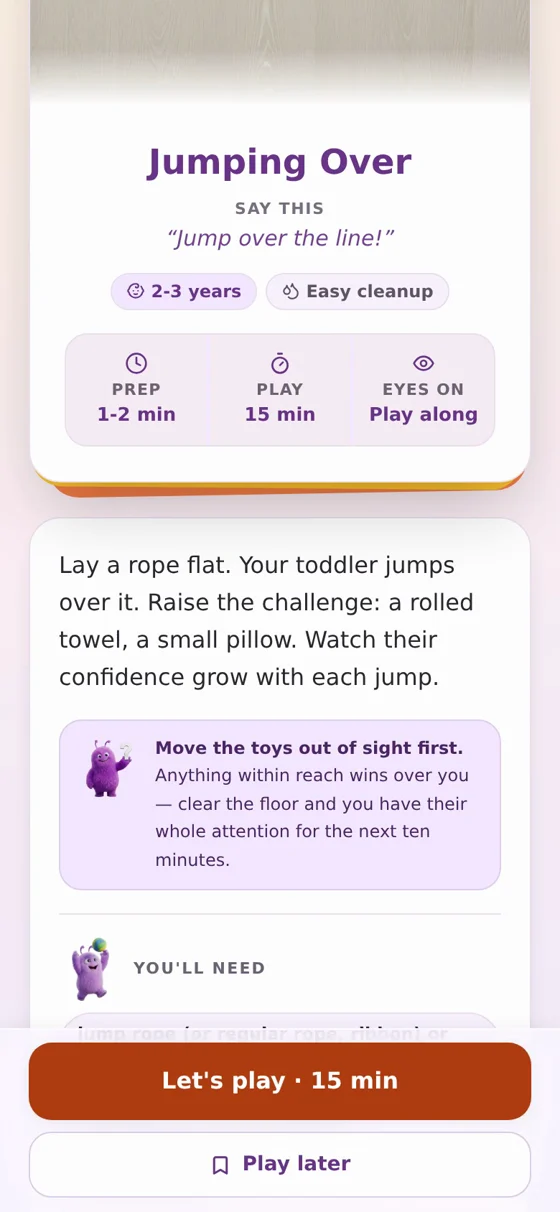
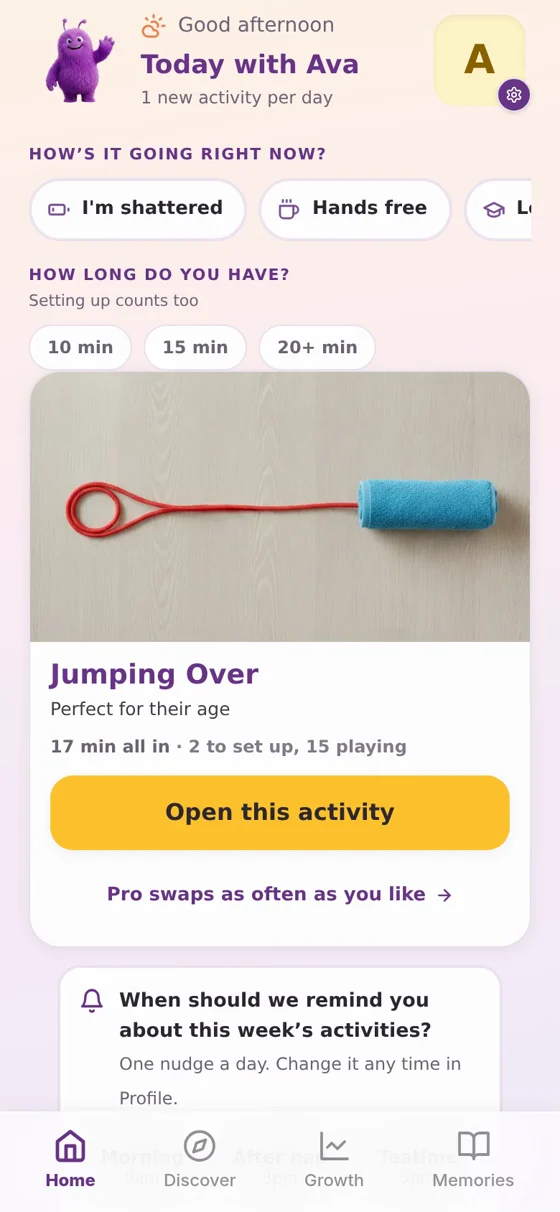
Mooshie activity screen with Say this words to useMooshie Today screen with mood and time options and today's activity
10free ideas on this page
5,918activities for 6 months to 4 years
Say thisthe exact words on every activity
0child details uploaded, ever

Tuff tray ideas don’t have to mean a big plastic tray, a shed full of props and a Pinterest board. A tuff tray is really just a low-sided container that keeps play in one place and invites your child to get their hands right in. If you’ve got a baking tray, a large roasting dish or even an old shower curtain on the floor, you already have everything you need to start.

Below are ten tuff tray ideas from the Mooshie Moments app for children from 6 months to 3 years, grouped by what they’re best at building. Each one uses things you already have at home, takes 5 to 15 minutes, and comes with the exact words to say while you play. Set one up on the kitchen floor while you cook, or on the patio when the mess doesn’t matter.

You don’t need an actual tuff tray

The tray itself is just a boundary. Any of these work just as well:

A large baking tray or roasting dish

for small, contained play.

An old shower curtain or picnic blanket

spread on the floor for bigger, messier set-ups.

The high chair tray

for babies who aren’t yet sitting on the floor.

A cardboard box lid

, which works for a surprising amount of dry, low-mess play.

Whatever you use, three things make it feel like an “invitation to play” rather than a random pile of stuff: pick one sensory base, add two or three tools, and set it out before you call your child over, so it’s ready and waiting rather than assembled while they watch and lose interest.

Sensory base trays

These use one edible or washable filling as the whole activity. No theme needed, just texture.

6 to 12 months10 minutes

1. Banana mash fingerpaint

Mash half a banana thinly across a clean highchair tray. Let your baby drag their fingers straight through it. The mark they leave behind, and the fact that it was them who made it, is the whole point at this age.

You’ll need: half a banana, a highchair tray

How to play
  1. Mash the banana and spread it thinly across the tray.
  2. Let your baby drag their fingers through it, undirected.
  3. Trace a swirl yourself so they see a shape appear.
  4. Wipe down the tray (or hose off the highchair) when they lose interest.
Say this: “Squish, squish!” · “Yum on the finger.” · “Make a swirl.”
6 to 12 months10 minutes

2. Yoghurt tray splat

Spoon a thin layer of plain yoghurt onto a baking tray and put it in front of your baby in their highchair. They’ll splat it with flat palms, trace a line through it with one finger, and taste as they go, which is exactly what this activity is for.

You’ll need: plain yoghurt, a baking tray

Say this: “Splat splat!” · “Squish it!” · “Such a mess, perfect.”
1 to 2 years10 minutes

3. Whipped cream tray painting

Spread whipped cream across a tray and let your toddler paint with fingers, palms and even forearms. A tiny drop of food colouring, or beetroot juice for red and turmeric for yellow, turns it into free, safe paint.

You’ll need: whipped cream or yoghurt, a tray, optional food colouring

How to play
  1. Spread the cream in a thin layer across the tray.
  2. Add a small dot of colour if you’re using it.
  3. Let your toddler swirl, drag and press without correcting the marks.
  4. Wipe clean with a damp cloth once they’re done.
Say this: “Swirl, swirl!” · “Add a dot of red.” · “Look at your painting!”
1 to 2 years15 minutes

4. Shaving cream play

Spread a dollop of play-safe shaving cream on a tray. Your toddler will run their fingers through it, draw a line that shows the tray underneath, then smear it shut and draw the line again. Expect plenty of “again”. If it heads towards their mouth, gently redirect and say it’s for playing, not eating.

You’ll need: play-safe shaving cream, a shallow tray or table

Say this: “Squishy!” · “Smooth or bumpy?” · “Touch it gently.”
Scooping and pouring trays

Two bowls, a spoon and something to move between them builds the wrist control and hand-eye coordination your child needs for eating and, eventually, writing.

1 to 2 years10 minutes

5. Spoon and bowl scooping

Fill a shallow bowl with large cereal your child already eats, or with cooked and cooled pasta. Skip dry rice, dry pasta or beans at this age, since they’re a choking risk if inhaled.

You’ll need: large cereal or cooled cooked pasta, two bowls, a wooden spoon

How to play
  1. Put the full bowl and an empty one on the tray with a wooden spoon.
  2. Show one scoop and pour, saying “now it goes in the other bowl.”
  3. Step back and let your child take over, narrating without correcting.
  4. Sweep up together at the end.
Say this: “Scoop it up.” · “Where did the pasta go?” · “Your turn, scoop it.”
1 to 2 years15 minutes

6. Scooping practice

The same idea with more spilling built in. Two bowls sit on the tray itself, so nothing lands on the floor. Watch their eyes when the spoon is full and they’re tilting it towards the bowl. That pause is real calculation happening in tiny hands.

You’ll need: large cereal, two bowls, a spoon, a shallow tray

Say this: “Tilt the spoon.” · “Pour it in!” · “Try again!”

Small world and talking trays

Older toddlers can hold a whole scene on a tray: a shop, a set of characters, a bit of dialogue.

2 to 3 years10 minutes

7. Animal pet shop

Line up stuffed toys on cushions as “pets” for sale. Your toddler is the shopkeeper. You browse, choose one, and pay with a scrap of paper as pretend money.

You’ll need: stuffed toys, cushions, paper

How to play
  1. Line up the “pets” for sale on the tray or a row of cushions.
  2. Have your toddler greet you: “welcome to the pet shop!”
  3. Point to one and say “I want this puppy!”
  4. Hand over paper money and let them pass the toy across.
Say this: “Welcome to the pet shop!” · “Which one will you choose?” · “Take good care of it.”
2 to 3 years10 minutes

8. Animal voice puppet dialogue

Give a stuffed animal a silly voice, quite different from your own, and have it ask your child simple questions. Talking to a puppet feels like play rather than performance, which can bring out chattier answers from a shy toddler.

You’ll need: a stuffed animal or sock puppet

Say this: “The bear says hello!” · “What does the bear ask you?” · “You’re so funny!”
2 to 3 years8 minutes

9. Can I play with you? friendship practice

Set up a scene where a toy is “playing” alone with blocks. Your toddler practises walking up and asking “can I play with you?” using the toy first, before trying the same words with a real friend at a playdate.

You’ll need: a stuffed animal or doll, a toy or block set-up

How to play
  1. Set up a small play scene with a doll and some blocks.
  2. Ask your child what they should say to join in, then teach the phrase together.
  3. Have them approach and ask; you answer as the toy, “yes, come play!”
  4. Swap roles so they get to say yes to someone else, too.
Say this: “Can I play with you?” · “Yes, come play!” · “Let’s play together!”

A quiet tray for the youngest one

6 to 12 months15 minutes

10. Scarf pull container

Push three or four muslins or scarves into a clean tub or wipes box, leaving one corner poking out. Sit your baby with the tub between their knees. Pulling out is much easier than posting in at this age, so this is a version of tray play they can manage unaided, and the surprise of the next corner appearing keeps them going.

You’ll need: a clean tub, scarves or muslins

How to play
  1. Stuff the scarves into the tub with one corner showing.
  2. Tap the corner and say “pull it.”
  3. Let the surprise land before you say anything else as it keeps coming.
  4. Stuff them back in and start again.
Say this: “Pull the corner that’s sticking out.” · “It keeps coming, doesn’t it.” · “All the scarves are out.”

Hundreds more ideas like these are waiting in the app.

Plus one picked for your child every day, matched to their age and how today is going.

LOVED BY FAMILIES

Parents and experts on Mooshie

“I used to spend 30 minutes looking for an activity on Pinterest, get overwhelmed, and just turn on the TV. Mooshie takes 5 seconds.”
Sarah J.Mum of a 2-year-old
“Finally, an app that tells me to put my phone away. The activities are actually doable with stuff I have in my junk drawer.”
Mark D.Dad of two
“As a pediatric OT, I love that these activities build core developmental skills without feeling like ‘homework’ for parents.”
Dr Emily R.Paediatric occupational therapist
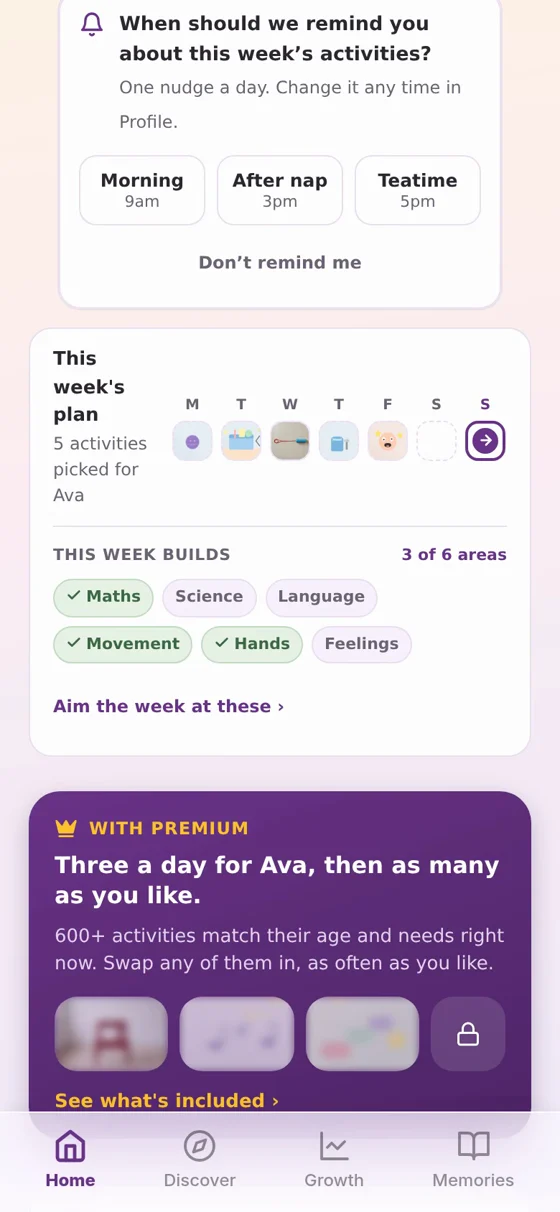
This week's plan showing five activities and the areas they build
HOW MOOSHIE HELPS

How Mooshie helps with tray time

The Mooshie Moments app has 5,918 activities for ages 6 months to 4 years, all using things already at home, so you’re never stuck for the next tray idea. Tell it how the day is going and how long you’ve got, from 10 minutes to 20 or more, setting up counts too, and it picks one activity to suit.

  • Every activity comes with “Say this” phrases, prep and play times, and a parent tip, so you know what to say before your child even sits down.
  • Tap “We’re done” afterwards and the app shows you “What that built”, the skills your child just practised, and you can add a photo to save it to Memories.
  • Each week’s plan of five activities shows which of six areas you’re covering: maths, science, language, movement, hands and feelings.

The screen stays with the adult. You check the idea in 30 seconds, put the phone down and play. It’s free to download, with one new activity a day free and no account needed. It’s on iPhone now, with Android coming.

Questions parents ask

What age can you start tuff tray play?

From around 6 months, once your baby can sit supported, using their highchair tray as a small tuff tray. True floor-based tuff tray play tends to suit children from about 1 year, once they can sit or kneel steadily on their own.

Do I need to buy an actual tuff tray?

No. A large baking tray, a roasting dish, an old shower curtain on the floor or even a cardboard box lid all work as a boundary for tray play. The tray is just there to contain the mess, not to make the activity better.

How do I stop tuff tray play becoming a huge mess?

Pick one base filling rather than several, keep it to two or three tools, and set it up somewhere you don’t mind wiping down: the kitchen floor, a high chair, or outside on the patio. A towel underneath catches most of the rest.

What’s a good tuff tray filler for EYFS activities?

Cooked and cooled pasta, oats, shaving cream and homemade dough are all good starting bases that link to real EYFS areas of learning, from fine motor to maths and language, without needing anything specialist. Our EYFS tuff tray planning page covers this in more depth for nurseries and childminders.

How long should a tuff tray activity last?

Most of these take 5 to 15 minutes, and that’s genuinely plenty. Follow your child’s interest rather than the clock. If they walk away after two minutes, that’s fine, the tray will still be there for another go later.

Mooshie is a play app, not medical advice. If you’re worried about your child’s development, speak to your health visitor or GP.

Make memories. Build skills. Play together.

Your first moment is ready as soon as you tell us their age.

Mooshie MomentsFree on iPhone
Get it free